Common Triggers and Causes of Leaky Heart Valves
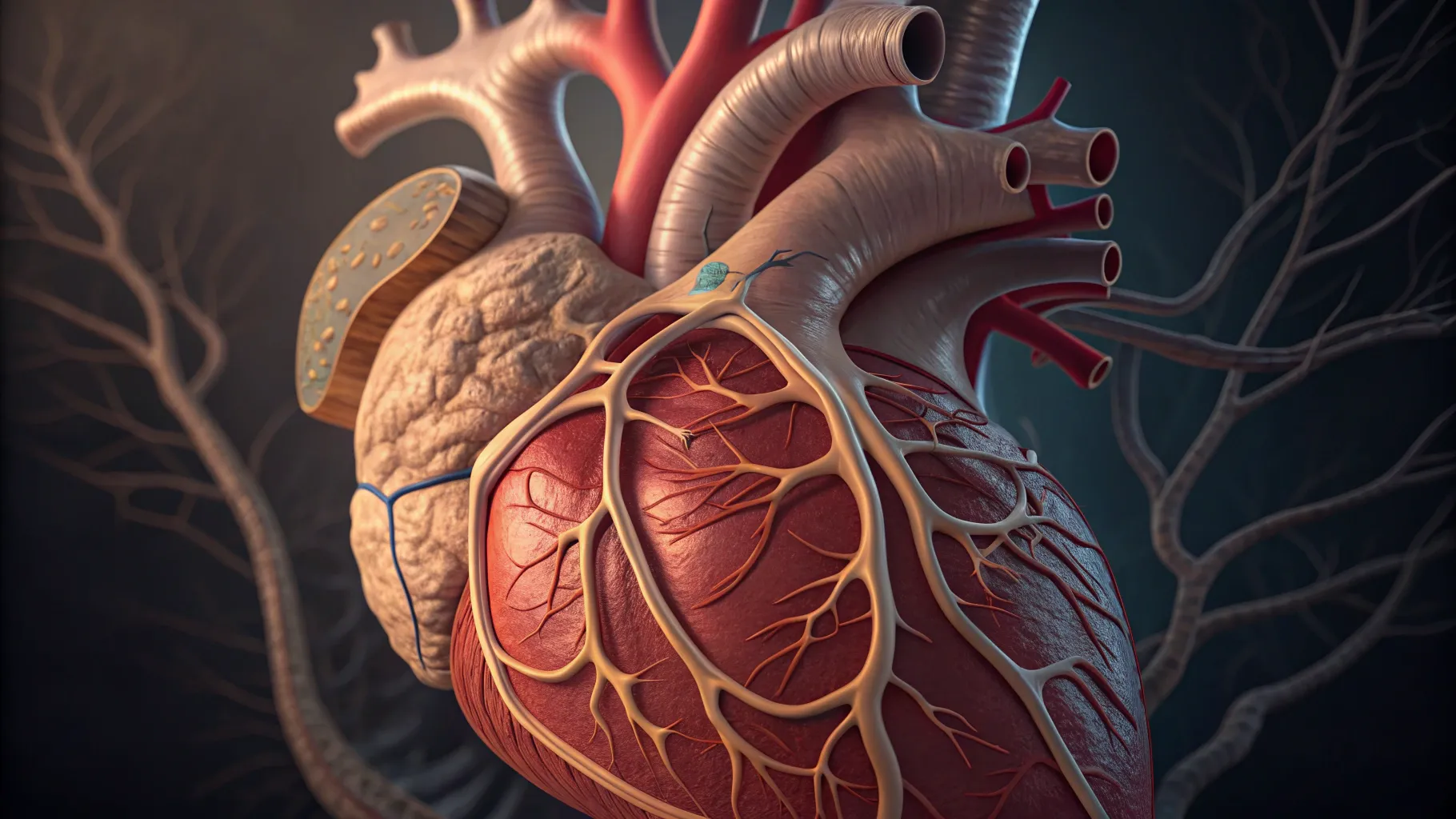
Understanding Common Triggers of Leaky Heart Valves
The health of our heart is vital to our overall well-being, yet many individuals may overlook issues like leaky heart valves. In 2025, this concern remains a prime focus in cardiac health discussions. Leaky heart valves, also known as valve regurgitation, occur when blood leaks back through a valve due to improper closure. Recognizing the triggers and causes of this condition is essential for early detection and effective management.
What Causes a Leaky Heart Valve?
Leaky heart valves can arise from numerous factors, many of which might surprise you. Recent findings have shown that a variety of potential causes need to be emphasized when diagnosing this prevalent condition. Here are some common triggers:
- Aging and Valve Degeneration: As we age, the heart valves naturally face wear and tear, which can lead to degeneration. Research indicates that around 80% of individuals over the age of 70 experience some degree of valvular regurgitation. This substantial statistic underscores the importance of regular heart check-ups as we grow older.
- Infections: Certain infections can seriously affect our heart valves. For instance, endocarditis is an infection that inflames the heart's inner lining and can severely damage valves, leading to leaks. Alarmingly, there has been a 15% increase in reported cases of endocarditis within the past year, which highlights the need for increased vigilance regarding this condition.
- Rheumatic Fever: A streptococcal infection can trigger rheumatic fever, resulting in lasting damage to heart valves. The incidence of this fever remains a serious issue, particularly in under-resourced areas, pointing to a persistent healthcare challenge nationwide.
- Congenital Conditions: Some individuals are born with valve defects that can manifest as leaks later in life. The growing recognition of congenital heart defects among newborns signifies a critical area needing more attention in pediatric cardiology, as these conditions can be life-altering.
- Connective Tissue Disorders: Diseases such as Marfan syndrome and Ehlers-Danlos syndrome affect connective tissues, significantly increasing the likelihood of developing leaky valves. Awareness campaigns continue to promote the diagnosis and management of these disorders, impacting patient outcomes directly.
- Other Risk Factors: Lifestyle choices can considerably exacerbate the risk of heart valve disorders. Smoking, obesity, and a sedentary lifestyle have well-documented contributions to these conditions. Recent studies suggest that approximately 73% of adults should aim for regular physical activity to alleviate these risks and improve heart health.
Symptoms and Diagnosis of Leaky Heart Valves
Identifying leaky heart valves can be a challenge. Initially, many individuals may experience no noticeable symptoms. However, as the condition progresses, several signs can become evident. Being aware of these symptoms could be life-saving:
- Shortness of breath during mundane physical activities often becomes more apparent.
- Swelling in the ankles and feet may also become noticeable, potentially indicating fluid retention.
- Unusual fatigue, even after minimal exertion, should not be ignored.
- Heart palpitations or a noticeable, irregular heartbeat can be an early warning sign.
- In severe cases, chest pain may occur, which is a signal for urgent medical evaluation.
To accurately diagnose valve conditions, healthcare providers typically utilize echocardiograms. These vital tools visualize the structure and function of the heart, allowing for a more precise diagnosis. With technology continuously advancing, early diagnosis is becoming simpler, significantly reducing the risk of complications associated with leaky heart valves.
What Is Valve Regurgitation?
Valve regurgitation primarily falls into two categories: acute and chronic. Acute valve regurgitation develops suddenly, necessitating immediate medical attention. On the other hand, chronic regurgitation unfolds gradually over time and often goes unnoticed for years. Recent statistics indicate a 10% increase in the detection of chronic cases during routine check-ups, emphasizing the enduring necessity for regular heart evaluations.
Education plays a crucial role in helping patients understand valve health. Recognizing symptoms and knowing when to seek medical advice greatly influences outcomes. Interestingly, studies show that women are disproportionately affected by mitral valve regurgitation, with about 60% of patients being female. This gender disparity highlights the need for awareness among female patients, particularly those with risk factors or a family history of heart conditions.
Current Treatment Options for Leaky Heart Valves
As of 2025, treatment strategies for leaky heart valves have advanced significantly. Depending on the severity of the condition, numerous management options are available:
- Medications: Physicians often prescribe diuretics, beta-blockers, or anticoagulants aimed at alleviating symptoms and minimizing the risk of blood clots. These medications can support more effective management of the condition.
- Minimally Invasive Surgery: For patients needing valve repair or replacement, advanced surgical techniques are frequently employed today. These minimally invasive procedures often yield shorter recovery times and reduced risks compared to traditional open-heart surgery. This option is particularly appealing for older patients and those with comorbidities, providing a suitable treatment pathway that minimizes stress on the body.
- Regular Monitoring: Consistent follow-up appointments with cardiologists are essential for effectively monitoring patients' conditions. This ongoing evaluation helps manage the disorder as it progresses, making it a key strategy for long-term care.
In addition to established treatments, researchers are exploring innovative therapies aimed at restoring valve function while minimizing risks associated with surgery. This research holds tremendous potential for improving the quality of life for those affected by leaky heart valves.
Public education initiatives emphasize the importance of maintaining a healthy lifestyle. Encouraging individuals to manage stress, maintain a balanced diet, and engage in regular physical activity can significantly enhance outcomes for those living with leaky heart valves or those at risk.
As we deepen our understanding of leaky heart valves, the future looks promising. With advancements in technology and a concerted effort toward patient education, reducing complications associated with valvular disorders is increasingly achievable. Being informed and proactive empowers individuals to take charge of their heart health.
Understanding the triggers of leaky heart valves and recognizing their impacts can lead to better overall health for many people globally. Prioritizing heart health and cherishing the role it plays in our daily lives ensures it continues to thrive for years to come. For anyone feeling uncertain about their heart health, remember: knowledge is power. By educating ourselves and being vigilant about potential symptoms, we can foster a healthier future.
Every small action counts; whether it's through lifestyle changes, regular check-ups, or maintaining an open dialogue with healthcare providers, each step can significantly impact our heart's performance and overall well-being. Together, we can work toward greater awareness of leaky heart valves and their triggers, paving the way for a healthier tomorrow. Let's stay informed and active, championing heart health together. Recognizing and addressing leaky heart valves is critical; with a collective effort, we can cultivate a future filled with vibrant health and resilience.
Now is the time to ensure that our hearts are in peak condition for the journey ahead. Heart health is a key component of a fulfilling life, and remaining proactive can contribute to a healthier community. Embrace the knowledge we have, working hand in hand with our healthcare providers to guide our heart health toward brighter horizons!
Taking action today is imperative for ensuring our hearts function at their best. After all, a healthy heart fuels not only our bodies but also our dreams and aspirations.
Word Count: 1007