Common Stroke Triggers and Effective Prevention Strategies
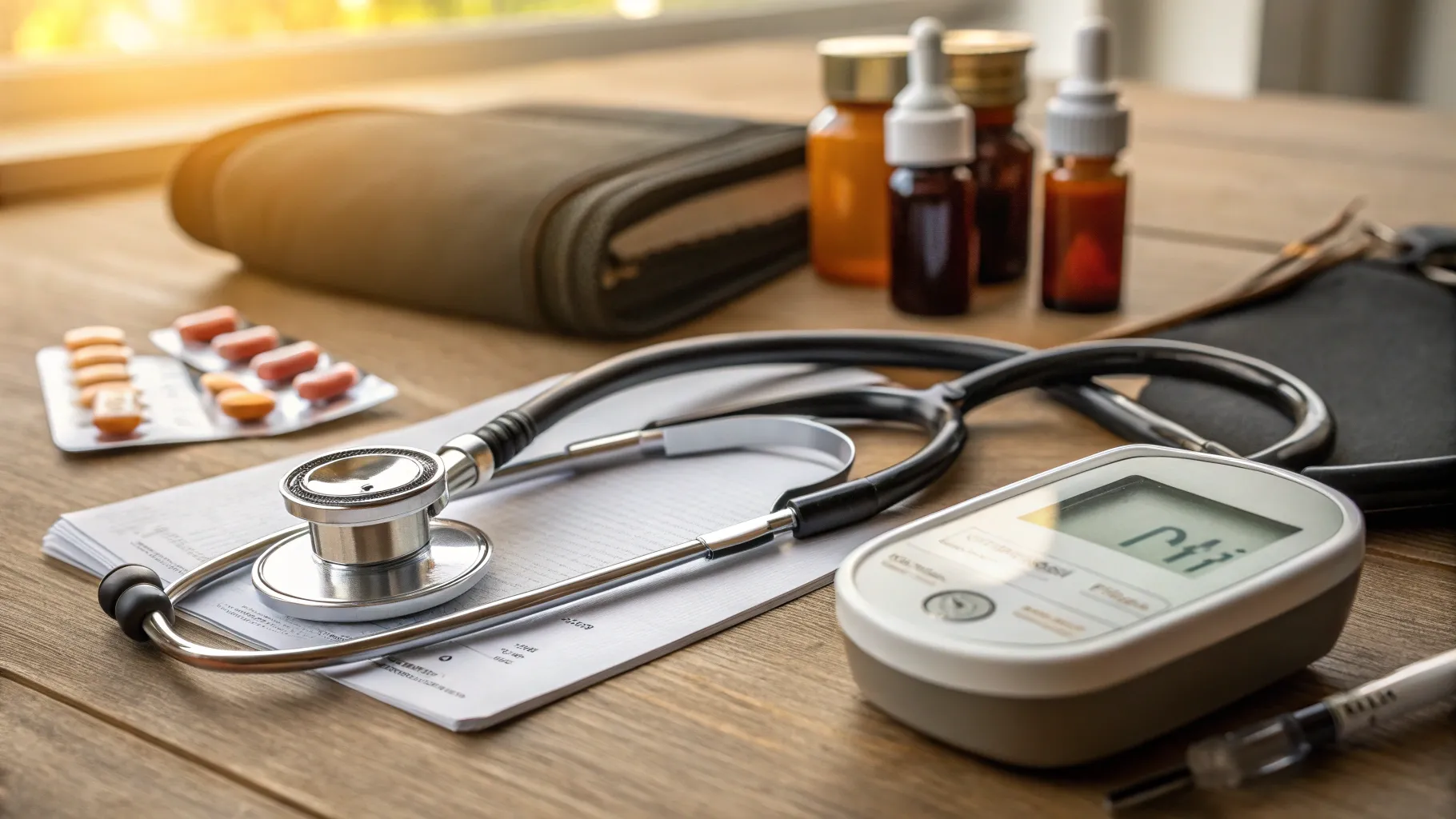
Understanding Common Stroke Triggers
Stroke is a critical medical emergency characterized by the sudden interruption of blood flow to the brain. It can result in severe physical disabilities or even death, highlighting the importance of recognizing common stroke triggers. In 2025, awareness of these triggers is key in promoting healthier lifestyle choices and ultimately reducing stroke risk across diverse populations. This article guides you through the major risk factors associated with strokes and how to mitigate them effectively.
Key Stroke Risk Factors
- High Blood Pressure: Hypertension, or high blood pressure, remains one of the leading risk factors for stroke. Recent statistics reveal that over 45% of adults in the United States are affected by this condition, significantly increasing their stroke risk. Regular health checks and effective management strategies, which may include medication and lifestyle changes, can help individuals maintain healthier blood pressure levels.
- Smoking: The dangers of tobacco use extend beyond lung health. Current research suggests that smokers face a 50% higher risk of suffering from ischemic stroke. Quitting smoking can dramatically lower this risk, aligning smokers’ chances closer to those of non-smokers within five years.
- Diabetes: The connection between diabetes and stroke risk is profound, as nearly 30% of individuals with diabetes will experience a stroke in their lifetime. Effective management of blood sugar levels through diet and medication is crucial to reducing this risk.
- High Cholesterol: Elevated LDL cholesterol levels can lead to dangerous artery obstructions, which elevate the risk for strokes. Recent data shows that about 24% of U.S. adults grapple with high cholesterol. Adopting a heart-healthy diet and seeking medical support are vital steps for lowering cholesterol levels.
- Obesity: The obesity epidemic continues to be a pressing public health issue, with approximately 42% of American adults being classified as obese. This excess weight contributes significantly to the risk of stroke. A balanced diet and consistent physical activity are essential for effective weight management.
Identifying Causes of Stroke
Understanding the causes behind different types of strokes can aid in better prevention strategies. Strokes are mainly classified into two categories: ischemic and hemorrhagic.
Causes of Ischemic Stroke
An ischemic stroke occurs when a blockage prevents blood from reaching the brain. The reasons for these blockages are often multifaceted:
- Atherosclerosis: This condition involves the hardening and narrowing of arteries due to plaque build-up. A 2023 study highlighted that about 88% of ischemic strokes result from atherosclerosis, emphasizing the urgent need for heart health monitoring.
- Blood Clots: Blood clots can form in various body parts and travel to the brain, blocking crucial blood flow. Conditions like atrial fibrillation significantly raise the likelihood of such clots, making awareness and management pivotal.
Causes of Hemorrhagic Stroke
Unlike ischemic strokes, hemorrhagic strokes occur when a blood vessel ruptures, leading to bleeding in the brain. Some primary causes include:
- Aneurysms: These are weaknesses in blood vessels that can balloon out and eventually burst, resulting in hemorrhagic strokes. Regular check-ups can help detect aneurysms early.
- High Blood Pressure: Chronic hypertension not only affects cardiovascular health but is also a significant contributor to the risk of hemorrhagic strokes. Consistently high blood pressure can weaken blood vessels, making them prone to rupture.
Effective Stroke Prevention Essentials
Preventing a stroke hinges on understanding personal health profiles and committing to significant lifestyle changes. Implementing these strategies proactively can lead to a healthier life and lower stroke incidence.
- Regular Health Screenings: Routine visits to healthcare providers ensure that conditions like high blood pressure, cholesterol, and diabetes are monitored effectively. Early detection is key to minimizing risks.
- Healthy Diet: Opting for a Mediterranean-style diet consumes fruits, vegetables, whole grains, and healthy fats while limiting saturated fats and sugars can significantly reduce stroke risk. Recent findings suggest that this dietary approach lowers the likelihood of cardiovascular diseases and strokes.
- Physical Activity: Engaging in at least 30 minutes of moderate exercise most days is essential. Regular physical activity is shown to help manage weight, lower blood pressure, and enhance overall cardiovascular health.
- Limit Alcohol Consumption: Excessive alcohol intake raises blood pressure levels. Men should limit themselves to two drinks a day, while women should keep it to one. Educating people on moderation can have significant health benefits.
- Quit Smoking: For smokers, seeking assistance to quit can drastically improve health outcomes. Many resources are available, including support groups and medications, to facilitate this transition.
The Role of Education and Awareness in Stroke Prevention
Public health campaigns in 2025 highlight the importance of educating communities about the signs and symptoms of stroke. Quick identification of a stroke can save lives, and the acronym F.A.S.T. (Face drooping, Arm weakness, Speech difficulty, Time to call emergency services) is a crucial tool for remembering what to look for in a potential stroke victim.
Over the past six months, various health organizations have initiated programs aimed at increasing awareness, particularly among youth and underserved communities. These efforts ensure that vital stroke-related information reaches diverse demographics, making healthcare accessible to all. It’s imperative to highlight that brain cells can begin to die within minutes of a stroke commencing, thus prompt action is essential.
With an informed population understanding common stroke triggers and committing to effective prevention strategies, it is possible to significantly reduce the risk of strokes. Whether through improved lifestyle choices or quick responses to warning signs, being proactive today paves the way for healthier tomorrows.