Common Reasons for Dizziness in Seniors Explained
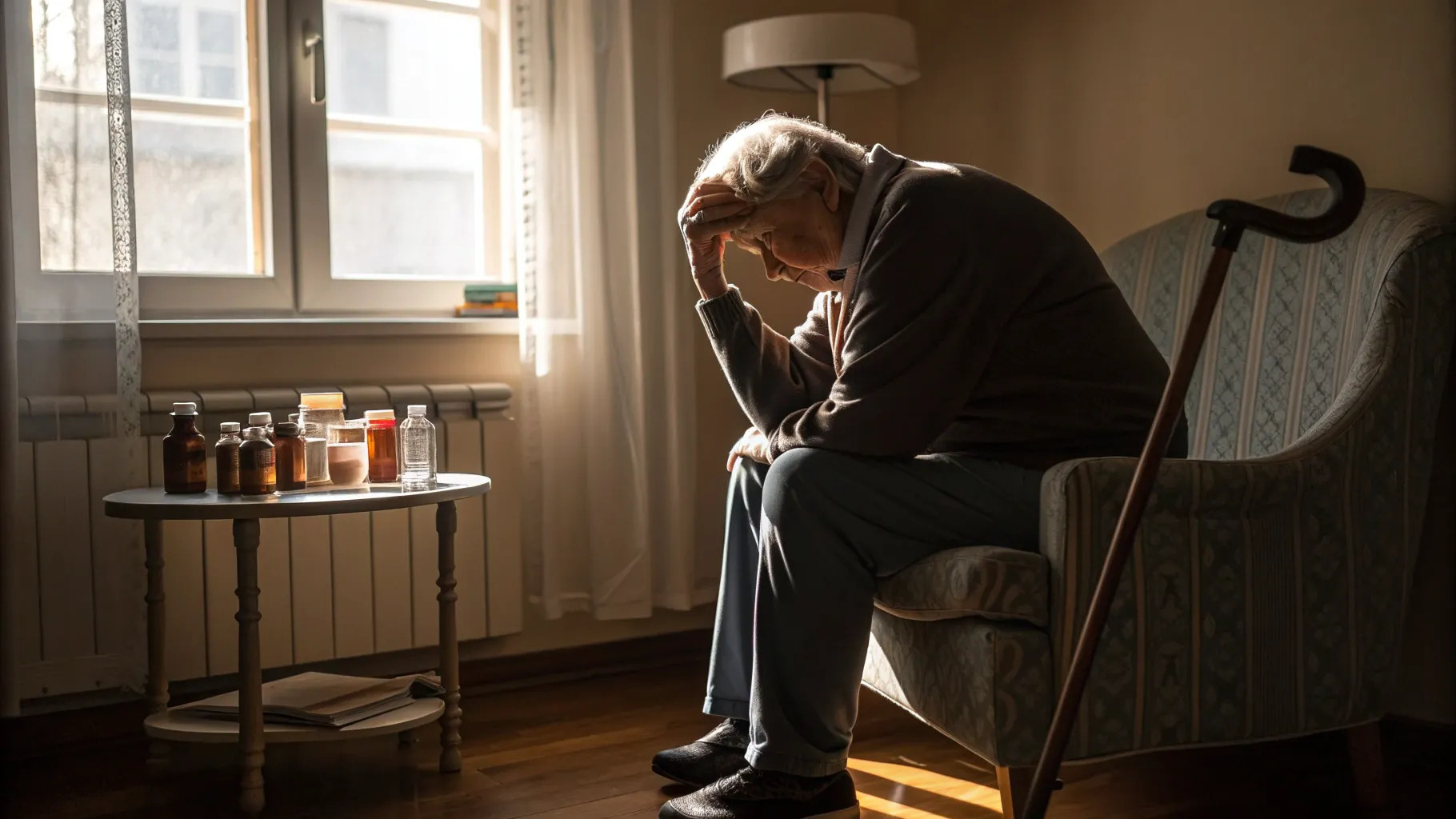
Understanding Common Reasons for Dizziness in Seniors
Dizziness is a common problem faced by many seniors, yet it can be a perplexing issue that often raises concern both for the individuals experiencing it and their families. It is essential to learn about common reasons for dizziness in seniors as doing so can lead to better management of the condition, improved quality of life, and in some cases, prevention of potentially serious incidents like falls. In this article, we will explore the various causes of dizziness and imbalance in older adults, explain why seniors may experience lightheadedness, and discuss how aging specifically affects balance and coordination. We will also provide insights into understanding vertigo and its relation to dizziness among seniors.
Common Causes of Dizziness and Balance Issues in Older Adults
As individuals grow older, various factors contribute to increased episodes of dizziness. Here are some of the most common reasons:
- Vestibular Disorders: These disorders affect the inner ear, which is vital for balance. Conditions such as benign paroxysmal positional vertigo (BPPV) are common and result in brief episodes of dizziness when moving the head in certain positions.
- Ototoxic Medications: Some medications prescribed to seniors, particularly those for managing chronic conditions like hypertension or depression, can lead to dizziness as a side effect. For example, diuretics that help control blood pressure may disrupt fluid balance in the inner ear.
- Dehydration: Seniors often face the risk of dehydration, which can result from various factors, including reduced thirst sensation or medication side effects. Dehydration can lead to lightheadedness and a drop in blood pressure.
- Blood Pressure Fluctuations: Orthostatic hypotension, common in older adults, leads to a sudden drop in blood pressure when standing up, resulting in dizziness or fainting. It is crucial to monitor blood pressure regularly to manage this condition effectively.
- Cognitive Decline: Conditions like dementia can significantly impact balance and coordination, increasing the likelihood of falls and dizziness.
According to recent studies, approximately 30% of seniors experience some form of dizziness, which highlights the importance of awareness and understanding of its causes.
Why Seniors May Experience Lightheadedness
Lightheadedness is often described as a feeling of faintness or near-fainting. Older adults may encounter this sensation for several reasons:As mentioned earlier, medication side effects contribute substantially. A 2025 study indicated that around 40% of seniors take at least five different medications, which increases the risk of adverse effects, including dizziness. Furthermore, age-related changes in medication metabolism can exacerbate these effects.
Another contributing factor is the presence of multiple chronic conditions. For example, seniors with diabetes may experience fluctuations in blood sugar levels, leading to lightheadedness. A recent report stated that over 25% of seniors with diabetes report episodes of dizziness, emphasizing the need for regular monitoring and effective management of their condition.
Additionally, the aging process naturally affects blood circulation. As arteries stiffen with age, the heart might struggle to pump enough blood, particularly when transitioning from sitting to standing positions, resulting in temporary lightheadedness.
How Aging Affects Balance and Coordination
Understanding the mechanics of balance reveals why seniors are more vulnerable to dizziness. With age, the combination of factors such as loss of muscle mass, decreased vision, and changes in proprioception (the body’s ability to perceive its position in space) can significantly impair balance and coordination.
- Muscle Weakness: Aging leads to a natural loss of muscle strength and mass, especially in the legs, which are crucial for maintaining balance. Older adults often notice a decline in their ability to perform everyday tasks that require stability.
- Sensory Decline: Vision plays a critical role in maintaining balance. As seniors age, they may experience diminishing eyesight due to conditions like cataracts or macular degeneration, leading to heightened risk of falls and consequent dizziness.
- Reduced Proprioceptive Feedback: Proprioception diminishes in some seniors, meaning they cannot sense accurately how their body moves. This deficiency can lead to staggering or losing balance during daily activities.
Statistics show that one in four adults aged 65 and older falls each year. Given that these falls often lead to significant injuries, including fractures and head trauma, it is vital to address balance issues early. Increasing physical activity levels, such as engaging in balance-training exercises like tai chi or yoga, can help mitigate these risks.
Understanding Vertigo and Dizziness in Seniors
Vertigo, a specific type of dizziness characterized by the sensation of spinning, often arises from problems in the vestibular system. It can occur alone or in conjunction with other types of dizziness. Conditions such as Meniere’s disease or vestibular neuritis are more prevalent in older populations, contributing to episodes of vertigo. Understanding these conditions empowers seniors and caregivers to seek appropriate treatment.
Recent research indicates that seniors experiencing vertigo are more likely to avoid activities, leading to a decrease in social interaction and physical fitness. This cycle can result in a range of complications, including depression and further physical deterioration.
The interplay of age with various medical factors reveals the complexity of dizziness in seniors. Addressing these issues requires a comprehensive approach – from early consultation with healthcare providers and tailored exercise regimens to adequate hydration and regular medication reviews.
In summary, awareness of the common causes and conditions associated with dizziness and balance issues is key to promoting safety and wellness among seniors. Recognizing that dizziness might lead to significant health risks, families and healthcare providers can work collaboratively to ensure that seniors maintain a healthy, active lifestyle while minimizing the risk of dizziness-related complications.