Common Liver Disease Triggers and Prevention Tips 2025
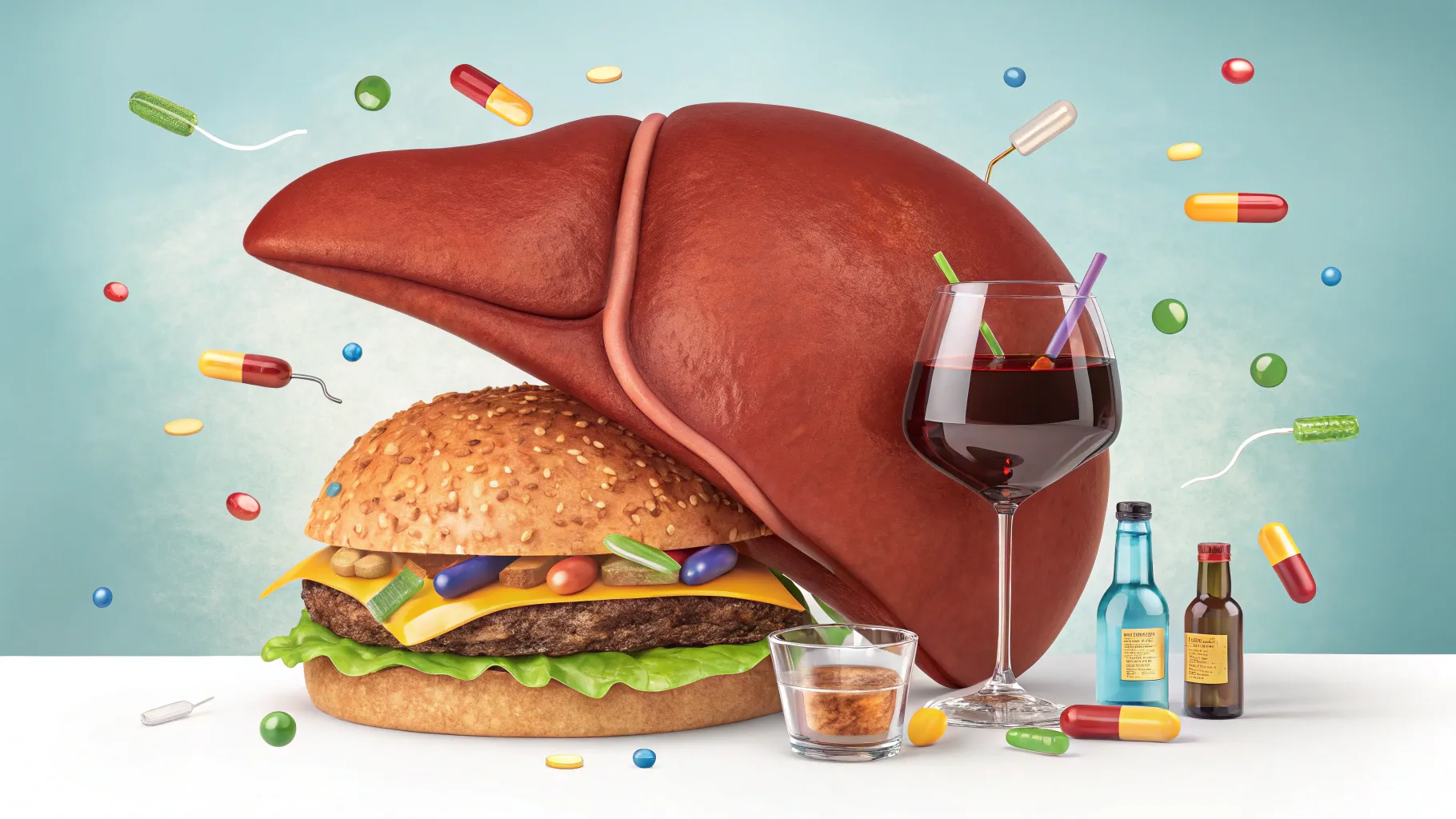
Understanding Common Liver Disease Triggers
The liver is one of the most vital organs in our body, responsible for numerous essential functions such as detoxification, metabolism, and the storage of nutrients. As we navigate through 2025, the awareness surrounding liver health continues to escalate, with alarming statistics indicating that liver diseases remain a significant global health concern. According to the latest reports from the World Health Organization, liver diseases account for a rising number of morbidity and mortality cases worldwide. Recognizing the common triggers of liver disease is crucial for prevention and encourages healthier lifestyle choices.
Key Causes Behind Liver Problems
- Alcohol Consumption: Excessive alcohol intake stands out as one of the most prominent causes of liver disease. Recent studies reveal that approximately 20% of heavy drinkers develop alcoholic liver disease. Over the years, continuous alcohol consumption can lead to severe liver inflammation, fatty liver disease, and even irreversible cirrhosis.
- Obesity: The prevalence of obesity, particularly in industrialized nations, has been closely linked to non-alcoholic fatty liver disease (NAFLD). Data from 2025 indicates that around 25% of adults in the U.S. live with NAFLD, a condition that can progressively lead to liver inflammation and chronic damage if not managed properly.
- Hepatitis Infections: Hepatitis B and C are major viral infections that can trigger liver disease, impacting over 325 million individuals worldwide. These viruses instigate inflammation and can escalate to severe complications like cirrhosis and liver cancer. Although vaccination against Hepatitis B has significantly mitigated risk, Hepatitis C continues to present challenges that require ongoing public health efforts.
- Medications and Toxins: Certain medications, especially when taken irresponsibly or excessively, can severely damage the liver. A prime example is acetaminophen, a common pain reliever. If consumed in high doses, it poses a risk of acute liver failure. Always consult healthcare providers regarding the proper use of medications to avoid potential risks.
- Autoimmune Conditions: Autoimmune hepatitis is an intriguing condition wherein the immune system mistakenly attacks the liver cells, causing inflammation. The understanding of its specific triggers remains elusive, affecting individuals across various age groups. Through consistent medical supervision and immunosuppressive therapy, this condition can be effectively managed.
- Unhealthy Diet: Today's diet, often laden with refined sugars, trans fats, and saturated fats, contributes significantly to liver issues. Consuming junk food frequently not only promotes obesity but also increases the risk of developing NAFLD. Adopting a balanced diet filled with fruits, vegetables, whole grains, and healthy fats serves as a proactive measure to safeguard liver health.
The Role of Lifestyle in Liver Health
As we embrace the significance of liver health, acknowledging the lifestyle choices that can adversely affect it is essential. Engaging in regular physical activity, maintaining a balanced diet, and steering clear of substances that can overburden the liver—like illicit drugs—are fundamental steps toward minimizing liver disease risk. Health experts today recommend at least 150 minutes of moderate aerobic exercise each week. This not only aids in maintaining a healthy weight but also plays a protective role for the liver.
Recent research underscores the negative effects of a sedentary lifestyle, linking extended periods of inactivity to heightened liver fat accumulation. This is particularly concerning as many people, due to modern work environments, remain seated for long stretches. Taking frequent breaks to stand up and move around at work can significantly enhance overall metabolic health, including that of the liver.
Monitoring Liver Health: Key Signs to Watch For
Liver disease often goes unnoticed in its early stages, as many triggers may not exhibit obvious symptoms. This reality underscores the importance of regular health check-ups, especially for those at higher risk due to family history or lifestyle factors. Some common warning signs of liver dysfunction include:
- Fatigue and loss of energy
- Unexplained weight loss or gain
- Nausea or persistent vomiting
- Yellowing of the skin and eyes, known as jaundice
- Dark urine paired with pale stools
- Swelling or pain in the abdomen
If any of these symptoms arise, it is vital to seek medical attention promptly. Ignoring them could lead to delays in crucial treatment and the exacerbation of the condition.
Effective Prevention Strategies for Liver Disease
Preventing liver diseases is far easier than treating them. Implementing strategic lifestyle choices can significantly enhance liver health. Here are some actionable preventive measures:
- Limit Alcohol Intake: Stick to moderate drinking guidelines. Typically, this translates to up to one drink per day for women and two for men to reduce the risk of liver damage.
- Maintain a Healthy Weight: Keeping your body mass index (BMI) within a healthy range can substantially lower the likelihood of developing liver disease.
- Be Vaccinated: Vaccines for hepatitis A and B are vital. Taking proactive steps to protect yourself against these infections is crucial in ensuring liver health.
- Comprehensive Regular Check-Ups: Routine blood screening and liver function tests are particularly important for individuals with a family history of liver disease or those who engage in high-risk behaviors.
- Educate Yourself: Understanding the risk factors and triggers associated with liver problems empowers individuals to make informed health decisions.
As we navigate the complexities of liver health in 2025, it is clear that numerous lifestyle choices, infections, and health conditions can trigger liver diseases. Staying informed and proactive in managing our health can significantly reduce the risks involved. The better we understand what jeopardizes the health of our liver, the more equipped we become to protect this vital organ and enhance our overall well-being. By implementing small, manageable changes in our daily habits, we can ensure a healthier liver now and for years to come.