Discover Common Liver Disease Triggers for Better Health
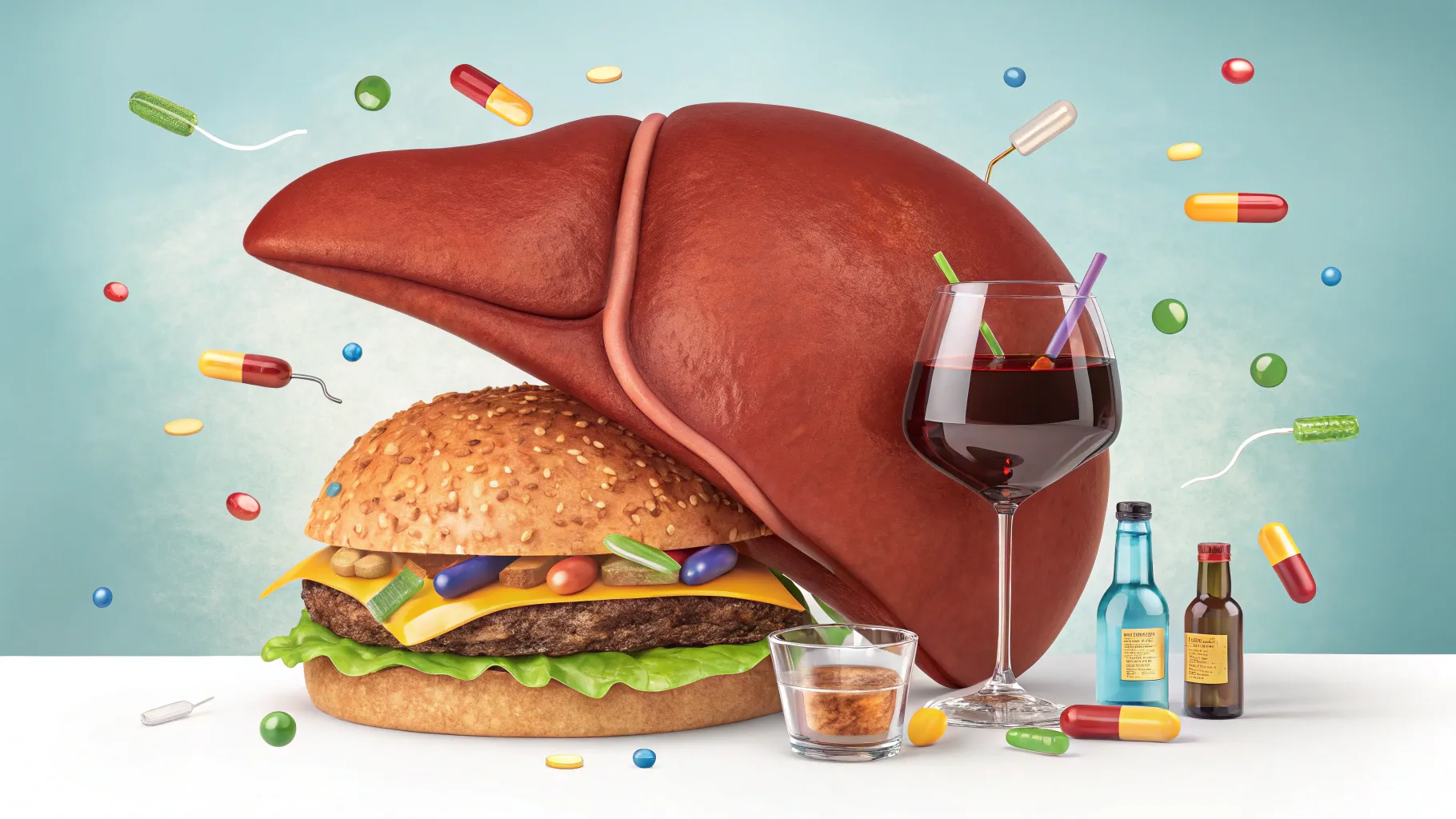
Common Liver Disease Triggers for Healthy Living
The liver is a powerhouse; it’s a vital organ that performs over 500 functions in our body. When we think of this essential organ, we rarely appreciate the complex ecosystem that supports our health and well-being. Unfortunately, many people are unaware of the potential threats to liver health. Knowledge about common liver disease triggers can empower us to make better lifestyle choices and adopt habits that support liver function.
Understanding Liver Conditions and Their Consequences
Liver diseases encompass various conditions, including fatty liver disease, hepatitis, cirrhosis, and liver cancer. Recent statistics illustrate the urgency of this issue—data from the World Health Organization shows that liver-related illnesses are responsible for nearly 2 million deaths each year worldwide. This reality underscores the need for increased awareness about what can cause liver problems and the ways we can mitigate these risks.
Common Triggers Leading to Liver Disease
Recognizing the common triggers of liver disease is critical for prevention and health maintenance. Below, you’ll find the main factors impacting liver health today:
- Alcohol Consumption: The relationship between alcohol and liver health is well-documented. Excessive alcohol intake, which accounts for approximately 50% of liver-related fatalities, can inflict severe damage. This risk isn't limited to chronic heavy drinking; even moderate consumption can lead to chronic conditions when coupled with other factors.
- Obesity: The global obesity epidemic has vastly increased the prevalence of non-alcoholic fatty liver disease (NAFLD), with current estimates identifying that up to 33% of adults are affected. This condition can progress to severe liver damage, including cirrhosis and potentially liver cancer.
- Viral Infections: Hepatitis B and C remain major contributors to liver disease. Recent data points to over 80 million people globally living with chronic hepatitis B and C infections, often leading to severe complications if not managed. Current advancements in treatments are crucial but awareness is still needed.
- Medications and Environmental Toxins: Certain medications, particularly high doses of acetaminophen and some prescription drugs, can risk liver health significantly. Additionally, exposure to industrial chemicals and environmental toxins can lead to cumulative liver damage over time.
- Poor Diet: Modern dietary habits, characterized by high sugar and fat, contribute to liver-related issues. Diets heavy in processed foods exacerbate conditions like obesity, which in turn harms liver function.
- Genetic Factors: Genetic predispositions can significantly impact liver health. Conditions like hemochromatosis and Wilson's disease affect liver function, illustrating the importance of family medical history in assessing risks.
Taking proactive measures to address these issues can lay the groundwork for a healthier liver. For instance, adjusting alcohol consumption, embracing an active lifestyle, and committing to a balanced diet can foster better liver health.
Current Trends and Statistics Influencing Liver Disease Awareness
In the evolving landscape of liver health, trends reveal that both pandemic-related lifestyle changes and rising obesity rates have compounded the problem. The recent statistics show a stark increase in NAFLD prevalence due to sedentary lifestyles, with a striking 33% of adults now affected. The global pandemic also delayed diagnosis and treatment for hepatitis, with many people remaining untreated which aggravates the ongoing health crisis.
Furthermore, a large survey revealed that 40% of individuals reported enhanced alcohol consumption since the onset of the pandemic. This not only raises immediate concerns for individuals’ health but suggests a worrisome trend in societal habits towards alcohol consumption as a method of coping with stress.
Strategies for Protecting Liver Health
With all the alarming statistics at hand, it's crucial to adopt strategies to protect liver health effectively. Below are actionable steps everyone can take to ensure a healthy liver:
- Limit Alcohol Intake: For those who drink, moderation is vital. The Centers for Disease Control and Prevention recommend no more than two drinks per day for men and one for women. This limitation can greatly reduce the risk of liver disease.
- Eat a Balanced Diet: A nutritious diet that includes an array of fruits, vegetables, whole grains, and lean proteins supports liver function. Foods rich in antioxidants, such as blueberries and leafy greens, can protect liver cells from damage.
- Stay Hydrated: Drinking ample water helps the liver carry out detoxifying functions. Aim for at least eight glasses a day, as hydration is essential for optimal liver health.
- Engage in Regular Physical Activity: Being active helps to maintain healthy body weight and reduces fat accumulation in the liver. Even moderate activities such as brisk walking or cycling can make a beneficial difference.
- Avoid Toxins: Limit exposure to harmful substances including pesticides, cleaning agents, and high-chemical products. Using protective gear while cleaning or working with these products can minimize damage.
- Schedule Routine Medical Check-Ups: Regular visits to healthcare providers ensure that liver function tests are routinely conducted. These check-ups can yield early detection of liver issues that require intervention.
Being proactive about liver health is essential in the current climate, considering the rising incidence of liver diseases. By emphasizing lifestyle improvements and preventative measures, individuals can significantly lower their risk of liver-related conditions and enhance overall wellness.
Final Thoughts on the Need for Liver Health Awareness
In light of rising liver disease rates, enhancing awareness and prioritizing education is crucial. Understanding common triggers, dietary impacts, and lifestyle choices empowers individuals to take actionable steps towards maintaining their liver health. By cultivating better habits today, we safeguard our future wellness and contribute positively to broader public health outcomes.