Common Liver Disease Triggers and Causes for Better Health
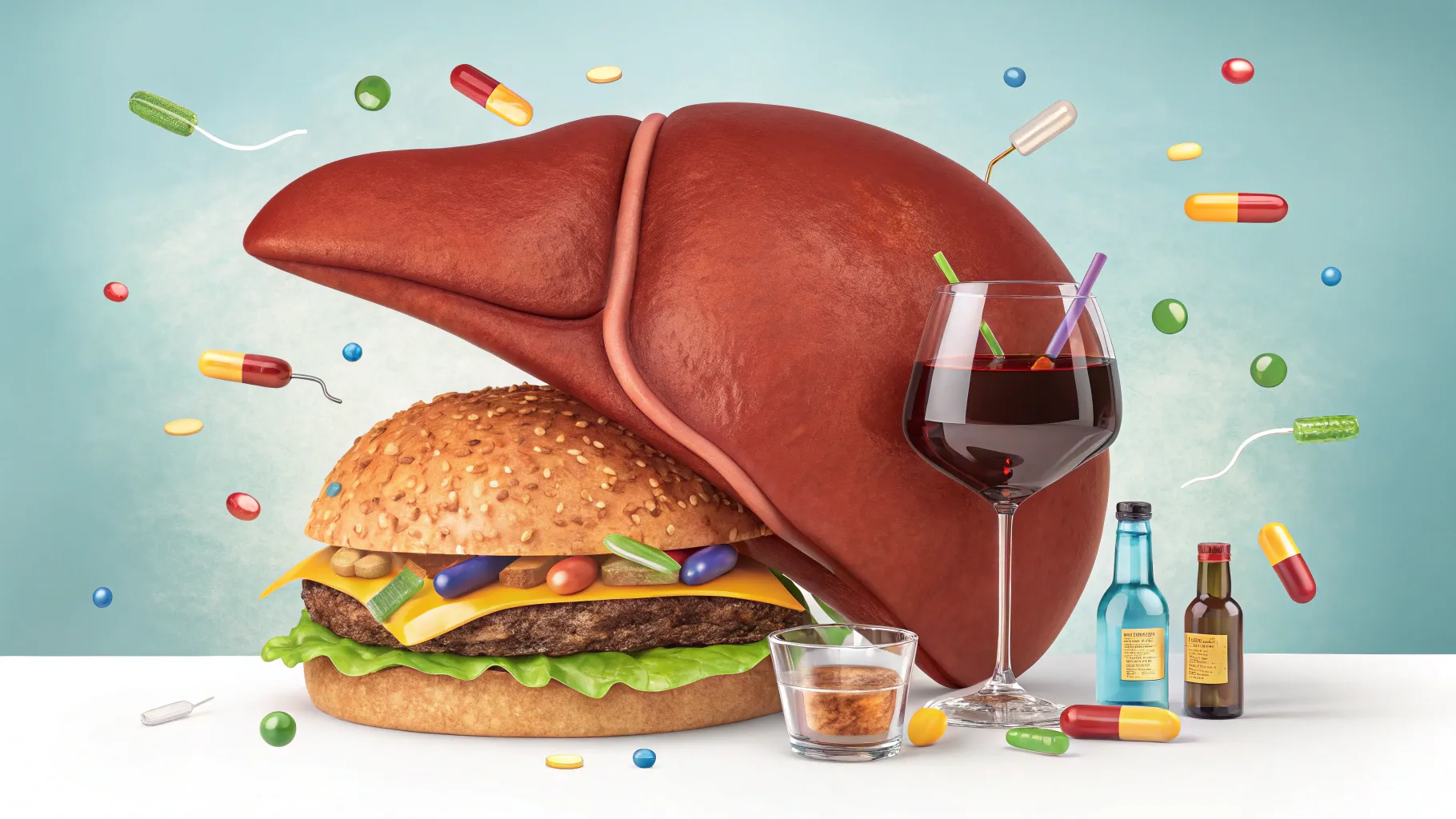
Understanding Common Liver Disease Triggers
The liver is an astonishingly versatile organ, playing a critical role in our overall health. It detoxifies harmful substances, produces vital proteins, and converts nutrients into usable energy. Unfortunately, many individuals aren’t aware of how various factors can lead to liver disease, a serious condition that affects millions worldwide. By understanding these common triggers and the risks associated with liver disease, individuals can take proactive measures to maintain their liver health. Let’s explore some of the leading causes of liver disease and how you can safeguard this vital organ.
Proven Causes of Liver Disease
Many factors contribute to liver disease, often classified as lifestyle choices, genetic predispositions, or underlying health conditions. Knowing these causes is crucial for anyone who wants to promote liver health effectively. Here are some key contributors:
- Alcohol Consumption: Alcohol abuse remains one of the leading causes of liver disease. In recent statistics from 2025, about 25% of individuals who drink excessively develop liver-related problems. Conditions such as fatty liver, alcoholic hepatitis, and cirrhosis are common outcomes of long-term alcohol misuse. It’s critical to be mindful of your drinking habits, as even moderate consumption can have detrimental effects over time.
- Obesity Epidemic: The epidemic of obesity has been linked to a rise in non-alcoholic fatty liver disease (NAFLD), currently impacting about 30% of adults. Fat deposits in the liver can lead to a condition called nonalcoholic steatohepatitis (NASH), which can progress to cirrhosis or liver cancer. Maintaining a healthy weight through balanced nutrition and regular exercise is essential to avoiding this risk.
- Diabetes Link: Uncontrolled diabetes is intricately connected to poor liver health. Studies show that nearly 75% of people with type 2 diabetes exhibit some form of liver disease. High blood glucose levels can exacerbate fat accumulation in the liver, leading to increasing severity in liver conditions. Regular diabetes management is crucial in mitigating this risk.
- Viral Hepatitis: Viral infections, particularly Hepatitis B and C, are significant risk factors for liver disease. According to a health report from early 2025, approximately 350 million people are living with chronic hepatitis worldwide, heightening their risk for advanced liver damage, cirrhosis, and liver cancer. Preventing these infections through vaccination and safe practices is vital.
- Medications and Toxins: Certain medications can cause liver damage, with acetaminophen being one of the most well-known culprits. Reports indicate that nearly 50% of acute liver failure cases result from unintentional overdoses. Additionally, exposure to environmental toxins, such as industrial chemicals, can also negatively affect liver health.
Acknowledging these causes helps individuals take charge of their health. Remember that genetics, lifestyle choices, and existing health conditions also play a role, making it crucial for everyone to adopt healthy habits.
Understanding Genetic and Environmental Factors
While lifestyle has a profound impact on liver health, genetic factors shouldn't be overlooked. Certain hereditary conditions, such as hemochromatosis or Wilson's disease, can lead to severe liver damage due to abnormal metal accumulation in the body. Furthermore, the environment can also be detrimental. For example, exposure to harmful chemicals or pollutants can significantly influence liver function, making it increasingly important to be aware of the environment.
Key Risks for Liver Health
Identifying risks is essential for making informed decisions about liver care. Below are some important factors that can increase the likelihood of developing liver disease:
- Metabolic Syndrome: This cluster of conditions, which includes high blood pressure, increased blood sugar levels, and elevated cholesterol, poses a significant threat to liver health. Research shows that metabolic syndrome affects nearly 30% of the adult population. Integrating a balanced diet and regular exercise is crucial for reducing risks associated with this syndrome.
- Chronic Inflammation: Ongoing inflammatory diseases, such as autoimmune hepatitis, lead to sustained damage to liver cells. Without prompt diagnosis and proper management, these conditions can result in severe liver dysfunction.
- Smoking Hazards: Recent studies have revealed a striking correlation between smoking and liver disease development. Findings from 2024 showed that current smokers had a significantly higher likelihood of liver fibrosis compared to their non-smoking counterparts, highlighting the urgent need for smoking cessation programs.
- High Cholesterol Levels: Elevated cholesterol can lead to fatty liver disease, which may escalate into severe conditions like cirrhosis. Regular monitoring of cholesterol levels is pivotal, especially for those with other contributing health risks.
Maintaining awareness of these risks enables individuals to engage in preventive measures. Regular health screenings, a balanced diet, and consistent exercise can significantly contribute to overall liver health.
Preventative Steps and Healthy Lifestyle Choices
Given the multitude of liver disease triggers and associated risks, adopting proactive lifestyle choices is paramount. Here are some practical tips you can implement to protect your liver:
- Limit Drinking: If you consume alcohol, do so in moderation to safeguard your liver. Following recommended guidelines can help minimize liver damage.
- Stay Active: Strive to keep a healthy weight. Engage in regular physical activity, aiming for at least 150 minutes of moderate aerobic activity each week, accompanied by a balanced diet rich in fruits, vegetables, and whole grains.
- Hydration is Key: Water helps the liver flush out toxins. Aim for 8-10 glasses daily to support your liver’s natural detox processes.
- Routine Health Screenings: Regular visits to your healthcare provider for liver function tests can catch any issues early on, ensuring timely intervention and treatment.
- Stay Vaccinated: Vaccines for Hepatitis A and B are available to protect against these viruses, significantly lowering the risk of liver disease.
By gaining a better understanding of the common triggers and risks associated with liver disease, individuals can take the necessary steps to protect themselves and lead a healthier life. Making informed choices today can have lasting benefits for your liver and overall well-being.