Understanding Common Liver Disease Triggers 2025
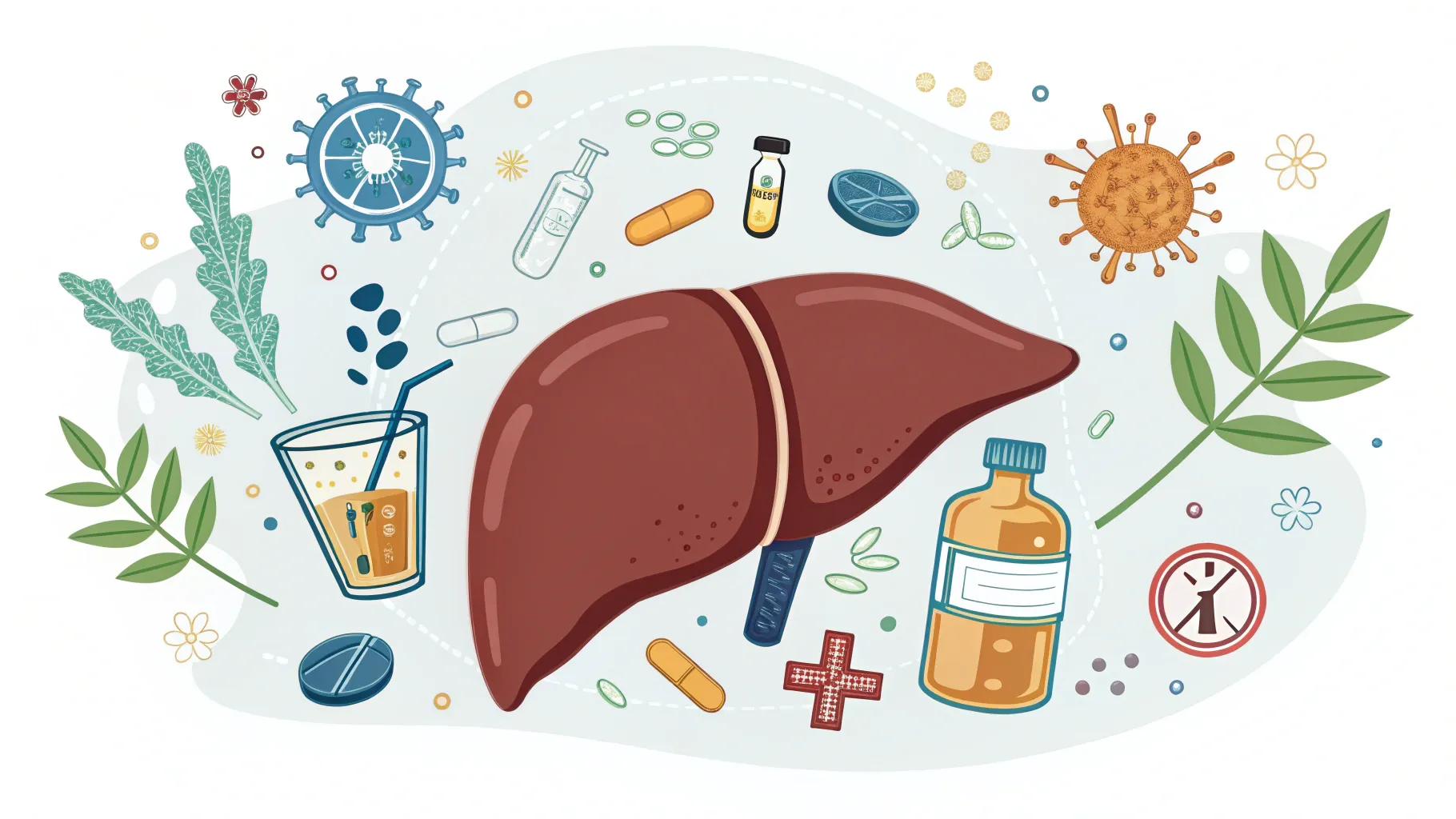
The Silent Stealer: How Liver Disease Sneaks Up
In 2025, liver disease continues to quietly affect millions, making it a persistent concern worldwide. This vital organ, nestled on the right side of the abdomen, is a true workhorse—detoxifying blood, producing essential proteins, and breaking down nutrients. Yet, its significance doesn't shield it from harm. Awareness and a proactive approach towards common triggers of liver damage are crucial steps toward maintaining one's health.
Lurking Dangers: The Role of Alcohol
Despite endless campaigns promoting moderation, alcohol remains a top cause of liver damage. From fatty liver development to full-blown cirrhosis, the path of damage is well-marked. Today, alcohol-related liver disease accounts for a substantial segment of liver disease cases. Alarmingly, patterns of binge drinking are still prevalent, stressing the liver's processing limits and leading to inflammation and irreversible damage.
The key lies in understanding moderation. The guidelines suggest women limit themselves to one drink per day, while men should stick to two. Nevertheless, cultural and social influences can obscure health recommendations, urging the importance of awareness and recognizing the signs of liver distress.
Infectious Risk: Hepatitis Prevails
Hepatitis, especially types B and C, poses a significant infectious risk. The World Health Organization reports in April 2025 that over 350 million people are affected by chronic hepatitis, a leading cause of liver disease. Many remain unaware due to its asymptomatic onset, underscoring the need for accessible testing and vaccination strategies. Though breakthroughs in antiviral treatments are promising, focusing on prevention through educational initiatives and vaccination remains vital.
Modern Lifestyle: A Growing Challenge
Obesity's global rise mirrors the increase in non-alcoholic fatty liver disease (NAFLD). Experts suggest that by now, about 30% of adults worldwide suffer from NAFLD. This condition, characterized by excessive liver fat deposit, tends to arise from sedentary lifestyles and poor dietary choices. Without intervention, it can progress to non-alcoholic steatohepatitis (NASH), cirrhosis, or even liver failure.
Tackling NAFLD requires investment in public health campaigns to promote lifestyle changes centering on balanced diets and regular physical activity. The emphasis on nutrition and exercise is imperative in reversing the tides.
Genetic and Autoimmune Missteps
Equally vital, though less prevalent, are genetic and autoimmune contributors to liver disease. Hemochromatosis, an inherited condition causing iron overload, and autoimmune hepatitis, where the body mistakenly attacks liver tissue, present considerable challenges.
Regular screenings and genetic counseling hold critical importance, acting as preventative measures to mitigate potential liver damage.
Proactively Preserving Liver Health
Caring for the liver involves multiple fronts:
- Routine Health Evaluations: Regular check-ups and liver function tests can offer timely insights into your liver health, especially for those with known risk factors or family history.
- Nutritional Balance and Physical Activity: A heart-healthy diet rich in fruits, vegetables, lean protein, and whole grains, combined with regular exercise, helps maintain a healthy weight, thus reducing liver fat.
- Moderation in Consumption: Limit alcohol intake and consult healthcare providers regarding over-the-counter medication or herbal remedies.
- Hepatitis Immunizations: Ensure vaccinations are up-to-date, especially in high-risk regions; vaccines remain a critical preventative measure.
- Environmental and Occupational Caution: Minimize exposure to industrial chemicals and toxins, advocating for stringent safety measures in chemical-prone workplaces.
In conclusion, understanding the factors influencing liver health empowers individuals to take control of their well-being. Knowledge alongside consistent action paves the way for preemptive care, ensuring a healthier future for you and your liver in 2025 and beyond.