Common Leaky Heart Valve Triggers and Risk Factors Explained
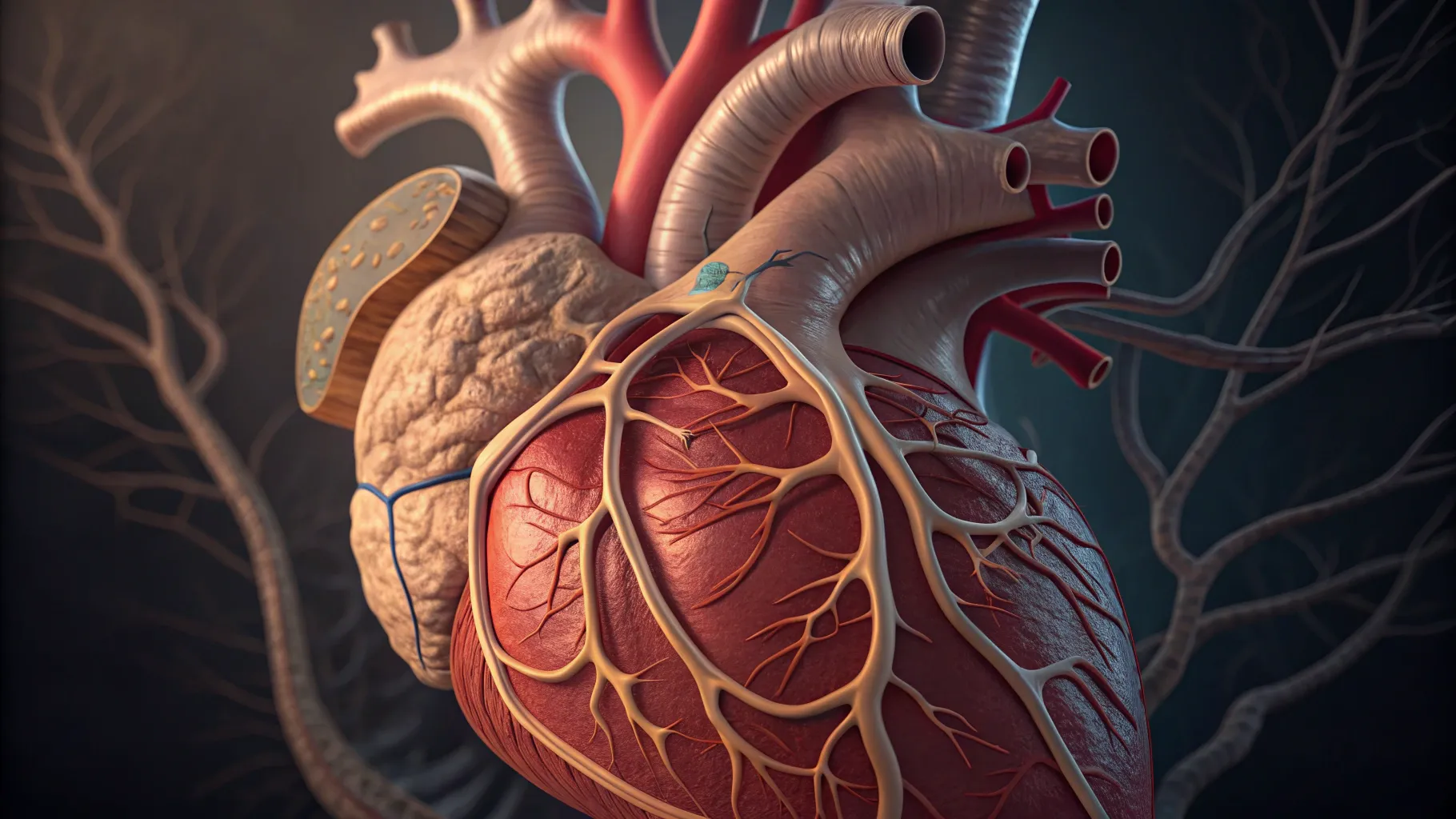
Understanding Your Heart's Health with Leaky Heart Valves
Leaky heart valves, or valve regurgitation, can significantly impact your health if not identified and treated promptly. As of 2025, more awareness is crucial than ever regarding the causes and triggers of this condition. In a world where heart disease is the leading cause of death, knowledge is power for safeguarding against potential complications associated with leaky valves.
What Causes a Leaky Heart Valve?
The reasons for leaky heart valves are diverse, ranging from congenital issues to age-related changes. Understanding these causes helps demystify the condition and empowers individuals to take proactive health measures. Here are some key causes:
- Congenital Heart Defects: Some individuals are born with abnormalities in their heart valves that hinder proper closure, resulting in regurgitation—a critical factor to consider for families with a history of cardiac issues.
- Heart Disease: Conditions like coronary artery disease can gradually deteriorate valve function, making it vital to manage heart health proactively.
- Rheumatic Fever: Following untreated streptococcal infections, rheumatic fever can cause inflammation and damage to heart valves, leading to scarring.
- Endocarditis: This serious infection of the heart's inner lining can lead to severe damage to heart valves, where early detection is crucial.
- Age: As people age, the risk of calcification and stiffening of valves increases, which can impede their ability to function properly.
- Hypertension: Chronic high blood pressure imposes additional strain on the heart, contributing to potential valve problems over time.
Statistics indicate that around 2 to 3 percent of the population experiences some degree of valve regurgitation. Moreover, the odds are significantly higher for individuals aged 65 and above, highlighting the need for regular check-ups to catch these issues early.
Recognizing Symptoms and Risk Factors
Many people with leaky heart valves may remain asymptomatic in the early stages. However, recognizing the symptoms as they develop is crucial for timely intervention. Here are some signs that could indicate valve issues:
- Shortness of Breath: An increasing difficulty to breathe, particularly during physical activity or even at rest, should not be overlooked.
- Fatigue: Chronic and unexplained tiredness can signal serious heart concerns, and it's always worth discussing with a healthcare provider.
- Palpitations: If you experience unusual irregular heartbeats, this might indicate that your heart is struggling due to valve issues.
- Swelling: Retaining fluid in the legs, abdomen, or feet is often a result of increased pressure on the heart from leaky valves.
- Chest Pain: While chest pain can stem from various issues, it is essential to consider potential valve dysfunction, especially if it’s accompanied by other symptoms.
Besides recognizing symptoms, being aware of risk factors helps in mitigating potential health threats. Here are a few risk factors to consider:
- Family History: A genetic predisposition to heart disease can heighten your risk for developing valve problems, making awareness paramount.
- Lifestyle Choices: Unhealthy habits such as smoking, poor diet, and lack of exercise can accelerate deterioration of heart health.
- Diabetes: This widespread condition negatively impacts blood vessel integrity, increasing susceptibility to heart complications.
- Obesity: Carrying excess weight places undue stress on the heart, which can exacerbate valve dysfunction over time.
As recent studies indicate, about 38% of individuals aged 40 and older are now living with some form of cardiovascular disease, underlining the importance of a proactive approach to heart health.
The Importance of Managing Leaky Heart Valves
Living with valve regurgitation poses serious risks that may escalate if left untreated. When blood flows back into the heart chamber from which it was meant to exit, it causes the heart to work harder, resulting in conditions such as heart enlargement, arrhythmias, and even heart failure. Understanding the severity of valve regurgitation is crucial, as treatment options vary significantly—from monitoring to medication and even surgical intervention.
Healthcare professionals recommend several strategies aimed at reducing the risks associated with leaky heart valves and improving cardiovascular health:
- Regular Check-ups: Annual health checks can help identify heart health issues before they develop into significant complications. Don’t hesitate to speak with your doctor about your risk factors.
- Heart-Healthy Diet: Fueling your body with nutrient-dense foods—think fruits, vegetables, whole grains, and lean proteins—supports optimal heart function.
- Consistent Exercise: Aim for at least 150 minutes of moderate aerobic activity weekly to significantly improve heart health.
- Avoiding Smoking: Quitting smoking can provide substantial benefits and lower the risk factors associated with heart disease.
- Managing Stress: Stress management techniques such as meditation, yoga, or even regular hobbies can benefit your heart health, as chronic stress can exacerbate existing conditions.
Recent health outreach programs have focused on educating the public about the significance of lifestyle adjustments and early detection of cardiovascular issues. By understanding the potential risks associated with leaky heart valves, individuals can take positive steps toward enhancing their heart health.
As we recognize the triggers linked to leaky heart valves in 2025, we unlock the potential for prevention and effective management. Equipped with proper knowledge and tools, everyone can work toward preserving their cardiac well-being and leading a healthier life.