Common Indoor Odor Causes and Freshness Tips for Home
Understanding Common Causes of Indoor Odors
Indoor odors can be a significant nuisance, disrupting the comfort of your home. Unpleasant smells often stem from various sources, and identifying them is the first step to restoring freshness. In today's busy lifestyles, odors can sneak up on you, merging with the scents of everyday life. Let's dive into some of the most common sources of these unwelcome smells and offer effective strategies for combatting them.
Kitchen Sources of Odors
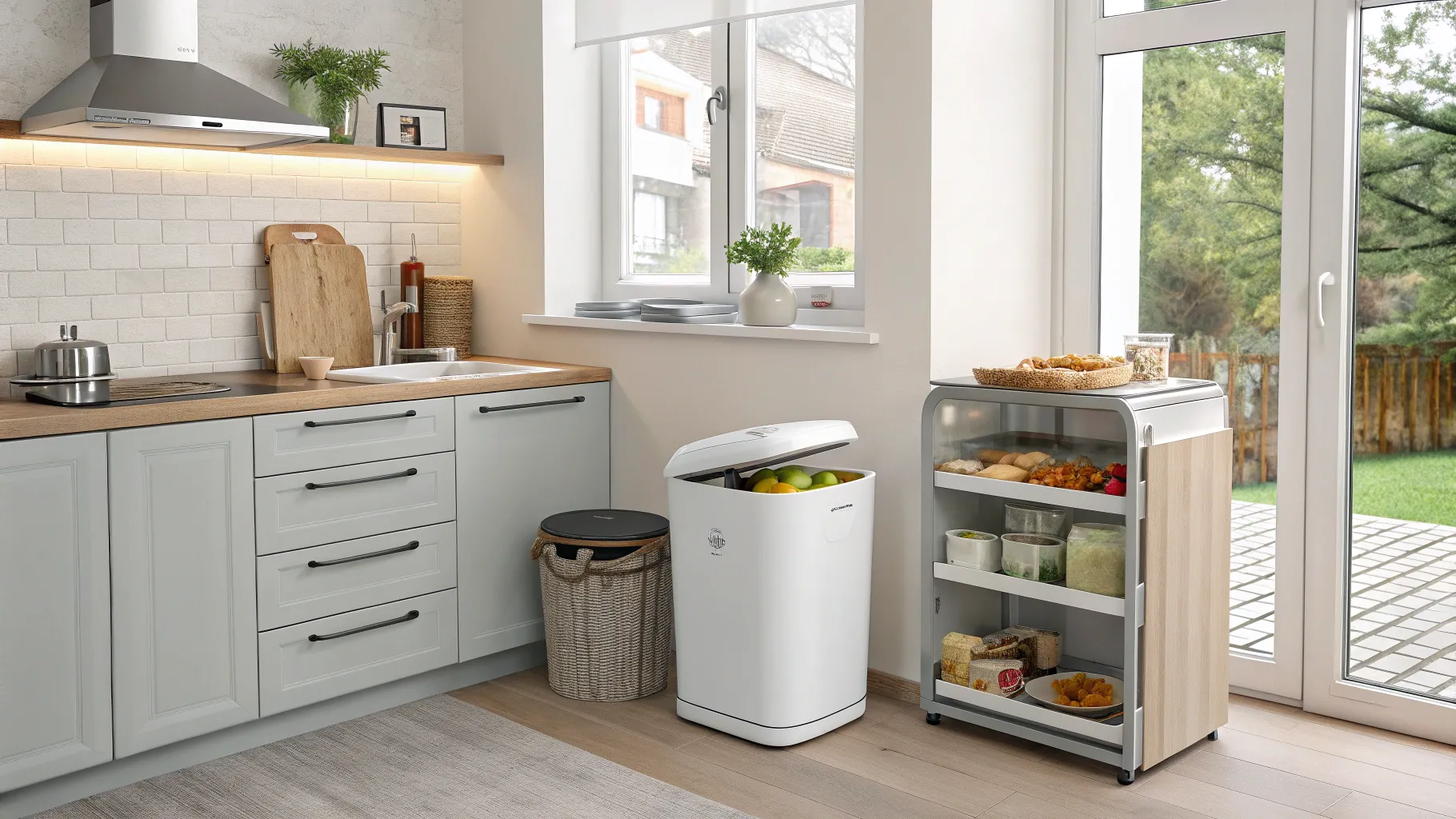
The kitchen is frequently at the forefront of household odors. From cooking smells that linger long after dinner is prepared to the accumulated scents of food spills, the reasons for unpleasant aromas here are abundant. One significant source of kitchen odors is food waste. In fact, a 2025 survey indicated that nearly 35% of homeowners complained about persistent food waste odors in their kitchens. This issue often arises from improper disposal of perishables, leading to unpleasant smells that can permeate the house.
- To minimize odors, take out the trash regularly and clean garbage bins frequently.
- Store food items in sealed containers to prevent spoilage and minimize scent release.
- Using an exhaust fan or opening windows while cooking can effectively vent out lingering odors.
Bathroom Problems and Solutions
The bathroom is another hotspot for unwanted odors due to its high humidity and various hygiene products. Common offenders include mold and mildew, which thrive in damp conditions, producing musty smells. Moreover, unclean toilets or blocked shower drains can gather bacteria, leading to even more unpleasant odors. Recent studies confirm that around 40% of homeowners regularly experience bathroom odors linked to these issues.
To counteract these problems, a stringent cleaning schedule is essential. Here are some effective strategies to keep your bathroom smelling fresh:
- Run vent fans during and after showers to decrease humidity.
- Make it a habit to scrub bathroom surfaces, paying particular attention to corners where moisture collects.
- Consider using air purifiers designed to filter out unwanted smells and improve air quality.
Furniture and Fabrics
It's not just walls and surfaces that can harbor odors; your furniture and fabrics can absorb smells as well. Upholstered items, carpets, and curtains are notorious for retaining unwanted scents from pets, smoke, and spills. A surprising finding from recent research indicated that more than 45% of household odors originate from soft furnishings. Many homeowners often overlook this critical point when addressing their home’s smell.
Maintaining freshness in furnishings involves more than just surface cleaning. Regularly vacuuming carpets and upholstery is vital, alongside professional cleaning a few times a year. Make sure to wash removable fabric covers following the care instructions. Furthermore, allowing for proper ventilation in your home—like opening windows and using fans—can significantly help reduce trapped odors.
Indoor Air Quality and Seasonal Smells
The quality of air indoors can drastically change with the seasons, resulting in distinct odors that can be quite bothersome. During the winter months, closed windows allow heated air to cycle continuously, recirculating stale air filled with musty odors. Meanwhile, in spring, increased humidity levels can lead to mold growth, releasing unpleasant smells into your living spaces. Alarmingly, one in three homeowners reports noticing seasonal indoor odors that impact their comfort.
It is useful to monitor indoor air quality continuously, especially if your area is prone to allergens and pollutants. Here are several actionable steps to keep your indoor air fresh:
- Invest in an air quality monitor to keep track of pollutants and humidity levels.
- Consider incorporating HEPA filters in your heating and cooling systems, which are efficient in capturing various allergens along with odors.
- Indoor plants can be a natural way to purify air; plants like spider plants or peace lilies are excellent for improving air quality.
Pets: A Whiff of Reality
Having pets adds joy to our lives, but they can also release unique odors that require attention. Pet fur, litter boxes, and occasional accidents can introduce unwanted smells into your living space. With around 68% of U.S. households owning pets, managing these odors has become increasingly vital for home comfort.
To keep your home smelling fresh despite your furry friends, implement these strategies:
- Regular grooming and bathing can reduce pet odor significantly.
- Utilize litter box deodorizers and commit to a cleaning schedule to minimize smells.
- Consider placing air purifiers designed to eliminate pet dander and lingering odors throughout your home.
Mold and Mildew Awareness
One of the most troubling causes of indoor odors is mold and mildew. These organisms often develop in hidden, damp areas such as basements and bathrooms, breeding a multitude of issues, including health risks and bothersome smells. It’s estimated that approximately 12% of people in the U.S. report health problems related to mold exposure, showcasing the importance of addressing these issues immediately.
To prevent mold-related odors, you can:
- Repair any leaks without delay to maintain a dry environment.
- Utilize specialized mold removal products when needed to address developed colonies.
- In damp areas, consider using mold-resistant paints to inhibit growth.
Home Freshness Tips to Succeed
Creating a pleasant-smelling home is achievable with regular upkeep and preventive measures. To ensure your indoor space continuously feels inviting, here are some quick tips to consider:
- Ventilation: Keep your rooms well-ventilated, especially after cooking or during high humidity times. This simple act can dramatically improve air quality.
- Essential oils: Spruce up the aroma of your home with diffusers or scented candles. They are excellent for masking persistent odors while creating an inviting atmosphere.
- Regular inspections: Make it a point to periodically check for hidden mold, possible leaks, or other odor sources to nip any issues in the bud.
By understanding the common causes of indoor odors and implementing the strategies above, you'll enhance your indoor air quality significantly. With a few proactive measures, creating a fresher, more welcoming living environment is entirely within your grasp. Embrace these tips and transform your home into a sanctuary free from unwanted smells.