Common Hair Mistakes That Can Make You Look Older
As we navigate different stages of life, our hair changes, and so should our approach to styling it. While aging is a natural process, certain hair habits can unintentionally make us appear older than we are. A few thoughtful adjustments to your cut, color, and care routine can refresh your look and project a more vibrant, youthful energy. Understanding these common missteps is the first step toward a style that truly complements you.
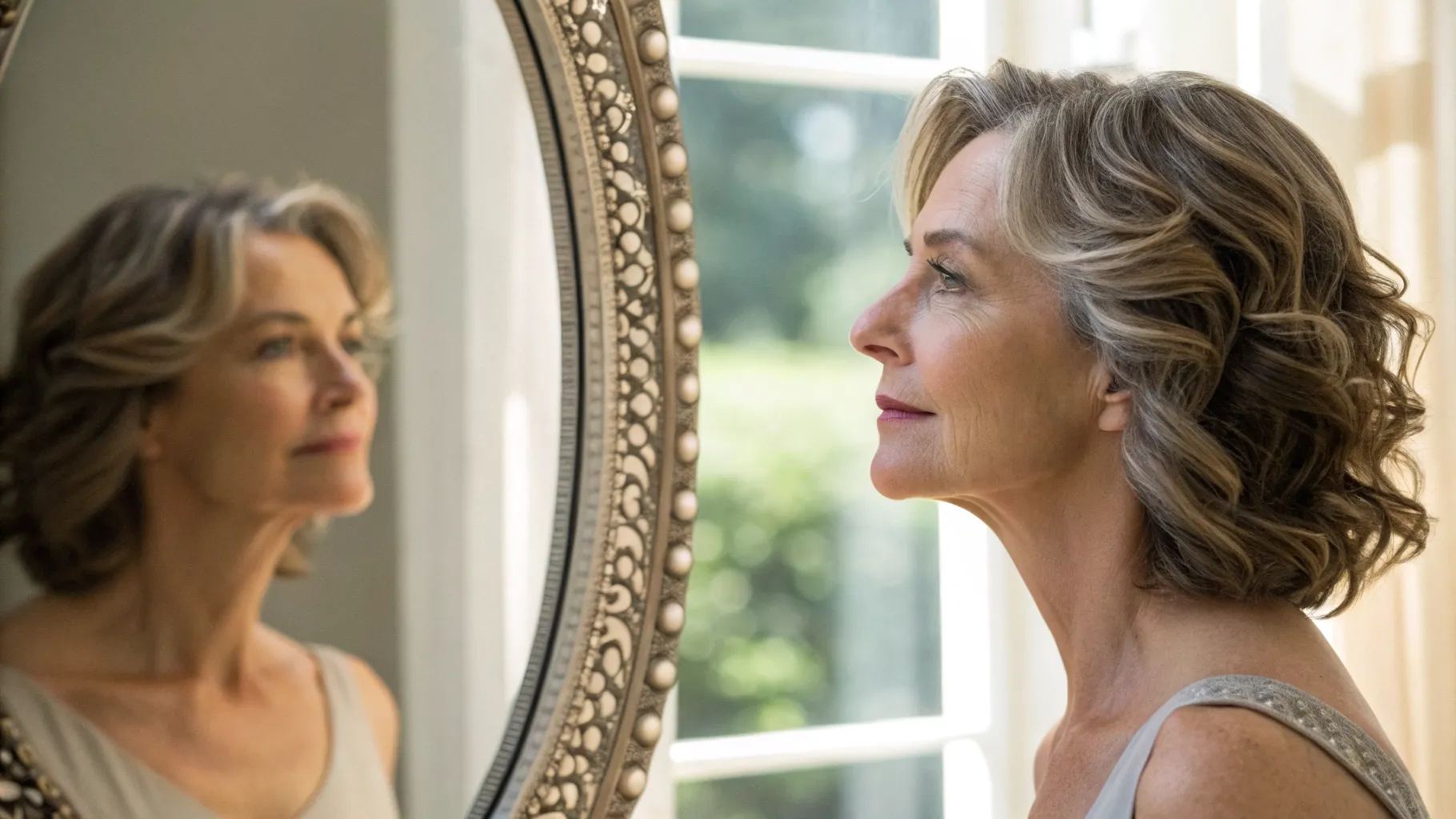
Sticking to the Same Hairstyle for Decades
It's easy to find a haircut that works and hold onto it for dear life. However, a style that was fashionable twenty years ago can instantly date your entire look. Hair and fashion trends evolve, and while you don't need to chase every new fad, periodically updating your style shows that you are current and confident. A dated hairstyle, like overly feathered layers or a very rigid shape, can close you off from more modern, softer alternatives.
Revisiting your cut every few years is a great way to stay fresh. Consult with a trusted stylist about modernizing your signature look. Often, a small change can make a huge difference. This could mean adding soft, face-framing layers, adjusting the length to a chic bob or lob, or incorporating a subtle fringe. The goal is to evolve your style in a way that continues to flatter your face shape and fits your lifestyle.
Choosing an Unflattering Hair Color
Hair color is a powerful tool, but the wrong shade can have an aging effect. One of the most common mistakes is dyeing hair a single, harsh, dark color. As skin tone changes with age, a jet-black or dark brown can create a stark contrast that highlights fine lines and casts unflattering shadows. It can also look like an obvious 'box dye' job, which lacks the dimension and softness of youthful, natural hair.
On the other end of the spectrum, going too light or ashy can also be problematic. While it might seem like a good way to blend grays, a color that is too pale and cool-toned can wash out your complexion, making you look tired. A more flattering approach is often to opt for multi-tonal color. Adding warmer highlights, like caramel or honey, can bring light and vibrancy back to your face and create a more natural, radiant look.
Neglecting Hair Health and Shine
Healthy hair glows with a natural shine that is often associated with youth. Over time, hair can become drier, more brittle, and prone to damage from heat styling and environmental factors. Dull, frizzy, or damaged hair absorbs light instead of reflecting it, which can make it look lifeless. Ignoring the health of your hair is a mistake that can detract from even the most perfect haircut.
Prioritizing hair health is crucial for a youthful appearance. This can be achieved through a consistent care routine that includes:
- Using moisturizing shampoos and deep conditioners to combat dryness.
- Getting regular trims every 6 to 8 weeks to eliminate split ends.
- Minimizing the use of high-heat styling tools and always using a heat protectant spray.
- Protecting your hair from sun exposure, which can cause color to fade and hair to become brittle.
Wearing Hair Too Long or Too Severe
While long hair can be beautiful at any age, extremely long, one-length hair can have an aging effect. Without layers or shape, it can drag facial features downward, weighing down your look and highlighting any sagging or loss of volume in the face. It can also appear unkempt or thin, especially if the ends are not healthy and full.
Conversely, a very severe or geometric short haircut can also look harsh. A super-sharp, blunt bob or an overly sculpted pixie cut might seem chic, but it can accentuate angles in a way that feels unforgiving on mature skin. Softer lines, texture, and movement are generally more flattering. A choppy, layered bob or a soft, textured pixie cut provides style without severity.
A Severe Part and Lack of Volume
How you part your hair can make a surprising difference. A severe, straight-down-the-middle part can be harsh and draw attention to thinning hair at the crown or an uneven hairline. Similarly, hair that lies completely flat against the head can lack the energy and movement associated with a youthful look. Volume is a key indicator of healthy, vibrant hair.
Consider switching to a soft side part. This simple change can instantly create lift at the root and soften your overall features. To boost volume, try using a root-lifting spray or mousse before blow-drying. Styling your hair with some gentle waves or curls can also add dimension and movement, creating a fuller and more dynamic silhouette that is inherently more youthful.
Ignoring Eyebrows and Face Framing
Your hair doesn't exist in isolation; it works in concert with your facial features. Eyebrows, in particular, frame the entire face. A common mistake is having brows that are too thin, a remnant of past trends, or a shape that doesn't complement your face. Overly sparse or tadpole-shaped brows can age you significantly and create an unbalanced look, no matter how great your haircut is.
Ensuring your brows are well-shaped and complement your hair color is a finishing touch that makes a world of difference. They don't need to be overly thick, but a fuller, well-defined brow provides a better frame for your eyes. Consider having them professionally shaped or use a brow pencil or powder to lightly fill in any sparse areas for a polished, cohesive, and more youthful appearance.