Common Causes of Neck Tightness and Solutions Revealed
Understanding Common Causes of Neck Tightness
Neck tightness is a pressing issue affecting a large segment of the population in 2025, contributing to discomfort and limited mobility. In today’s fast-paced lifestyle, this problem often stems from multiple factors that are common in our daily routines. Here, we will examine the primary causes of neck tightness, including muscle tension, poor posture, stress levels, and age-related changes to the cervical spine.
Muscle Tension: The Major Contributor
When addressing neck tightness, muscle tension plays a prominent role. Recent surveys indicate that over 60% of adults recognize muscle tension as a major source of their neck discomfort. This tension can emerge from prolonged periods of inactivity, particularly among those who spend long hours at desks or working on screens. The advent of remote work has intensified this issue, as many find themselves in less-than-ideal ergonomic setups.
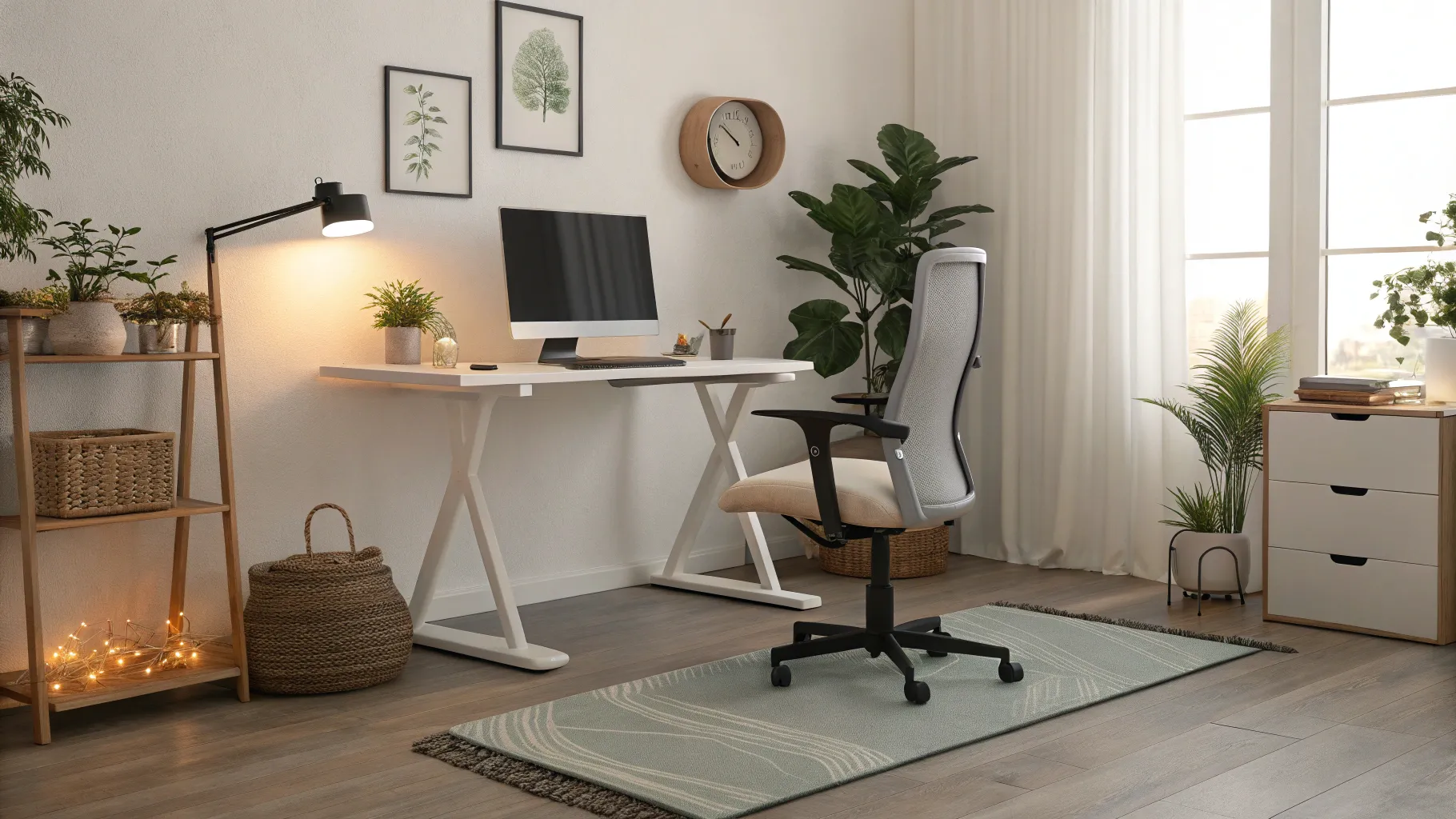
- Ergonomic Factors: The arrangement of your workspace significantly influences neck health. Poorly designed office furniture, such as chairs lacking lumbar support or desks that aren’t at the right height, can lead you to adopt awkward postures, straining your neck muscles over time.
- Exercise Concerns: Although regular exercise is important for overall health, failure to use proper form during workouts can worsen neck tension. For example, improper weightlifting technique can subject the neck muscles to unnecessary stress, resulting in pain.
The Impact of Poor Posture
As technology use continues to dominate daily activities, poor posture has emerged as another prime culprit in the case of neck tightness. A recent report highlights that around 70% of office workers have experienced neck pain directly related to excessive screen time. Slouching or hunching over devices leads to muscle tension and discomfort.
To mitigate this widespread issue, maintaining a neutral spine position is crucial. When seated, your ears should line up with your shoulders, and shoulders should remain relaxed and pulled back. Conducting regular posture checks, especially during extended work sessions, can significantly lessen muscle strain. Simple adjustments, including repositioning your computer screen to eye level and using a chair with proper support, can transform your work environment.
Stress: A Hidden Cause of Tension
The connection between stress and muscle tension often goes unnoticed. Stress frequently manifests physically, causing muscles to tense up in the neck and shoulders. Disturbingly, a recent study showed that approximately 75% of adults report experiencing physical symptoms due to stress, with neck tightness being one of the most common concerns. In high-pressure jobs, this symptom can escalate quickly, leading to chronic discomfort.
Addressing the root of stress is vital in alleviating the associated muscle tension. Techniques such as mindfulness, yoga, and meditation have proven effective in reducing stress levels. Moreover, incorporating regular physical activities not only stabilizes cortisol levels but also improves overall well-being, fostering relaxation and reducing neck tightness.
The Aging Process and Neck Discomfort
As we age, inevitable changes occur in the cervical spine, leading to increased neck discomfort. Recent statistics suggest a marked increase in neck pain among older adults, primarily due to degenerative conditions like arthritis. Over the years, the discs between the vertebrae can lose hydration and elasticity, resulting in stiffness and discomfort in the neck.
Moreover, conditions such as cervical spondylosis, which primarily affects the cervical vertebrae, are becoming increasingly common in seniors. This condition can result in chronic neck pain, muscle tightness, and reduced mobility. For older adults, engaging in low-impact exercises and following a consistent stretching routine is essential in maintaining neck health and mitigating discomfort.
Practical Strategies to Alleviate Neck Tightness
Targeting neck tightness requires a holistic approach. Here are some practical strategies to enhance neck health effectively:
- Take Regular Breaks: If you are seated for prolonged periods, make it a habit to stand up and stretch every hour. Short breaks can counteract the adverse effects of continuous sitting, boosting circulation and alleviating stiffness.
- Incorporate Stretching Exercises: Committing to a regular neck stretching routine can significantly ease muscle tension. Simple stretches, such as gently tilting your head side to side or performing neck rotations, can be particularly beneficial.
- Invest in Ergonomics: Opt for ergonomic furniture that supports your body correctly. Adjusting your computer height to align with your eyes helps maintain proper posture, which reduces neck strain.
- Practice Mindfulness Techniques: Incorporating deep breathing exercises and meditation into your daily routine can significantly ease stress, helping to relieve muscle tension in your neck.
By actively addressing these common factors contributing to neck tightness and implementing practical strategies, individuals can take proactive measures to improve neck health. Understanding the pivotal issues at play enables you to make informed lifestyle choices that ultimately enhance your comfort and promote long-term well-being. Small changes—such as improving posture, managing stress effectively, and ensuring a proper ergonomic setup—can lead to substantial benefits for neck comfort and mobility.