Common Causes of Irregular Heartbeat Explained
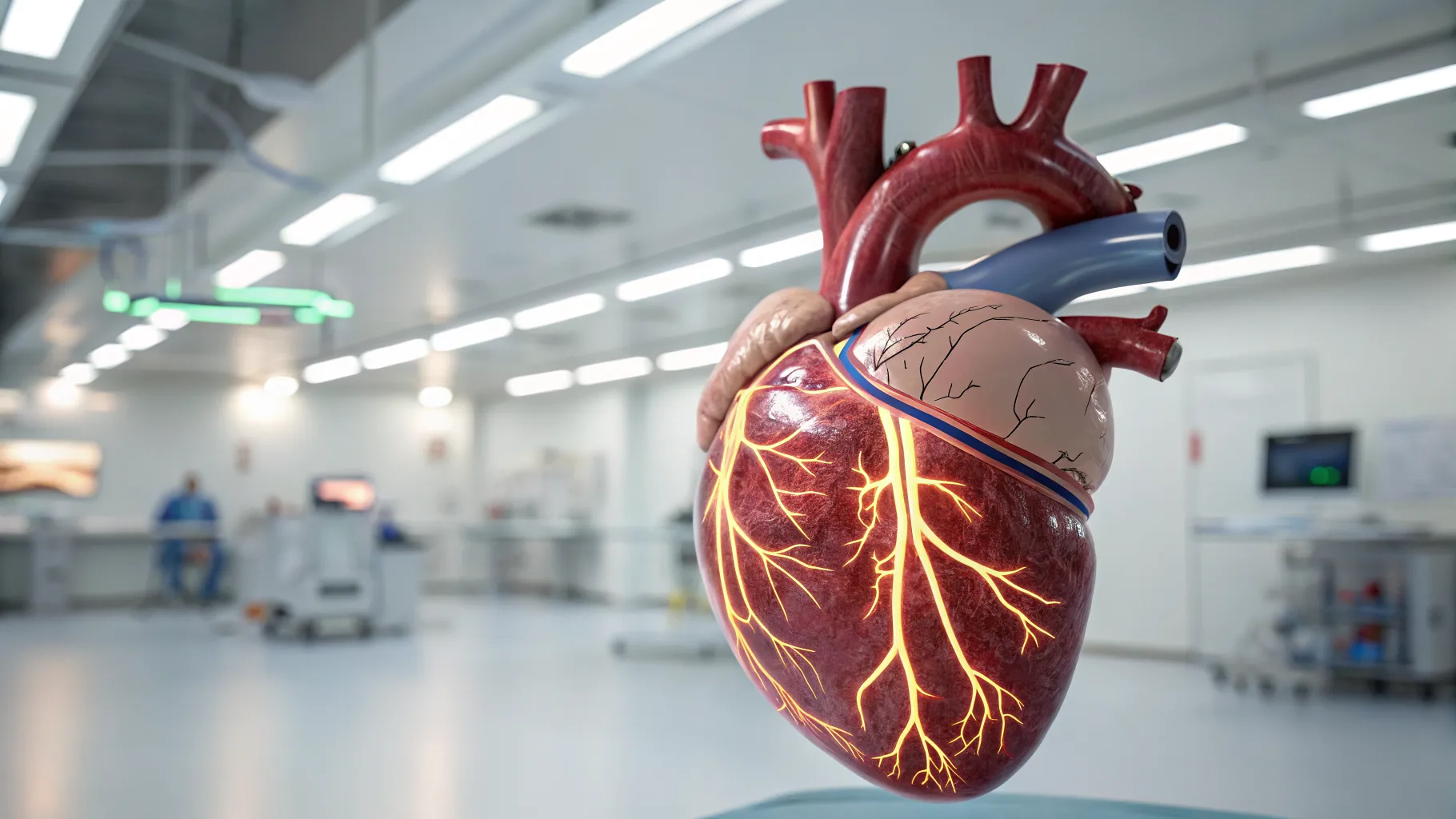
Understanding Common Causes of Irregular Heartbeat
Maintaining heart health is essential, as irregular heartbeats—known as cardiac arrhythmias—are increasingly prevalent today. In fact, estimates suggest that over 15 million Americans currently experience some form of irregular heartbeat. As we navigate the complexities of 2025, understanding these heart rhythm disorders is crucial as they can range from benign to life-threatening. In this article, we’ll dig deeper into the most common causes of irregular heartbeats, identifying triggers that could raise red flags about heart health.
Causes of Irregular Heartbeat
Irregular heart rhythms can arise from various physical, psychological, or lifestyle factors that disrupt the heart's normal electrical activity. Understanding these causes enables us to take proactive measures against potential risks. Here are some common culprits:
- Heart Disease: One of the leading causes of irregular heartbeats is underlying heart disease. Conditions such as coronary artery disease, heart valve disorders, and cardiomyopathy can all severely impact heart rhythm. Recent studies highlight that nearly 30% of patients with congestive heart failure also face arrhythmias.
- High Blood Pressure: Chronic hypertension can put additional strain on the heart, altering its structure and heightening the risk of arrhythmias. Studies indicate that individuals with high blood pressure are more than twice as likely to experience irregular heartbeats compared to those with normal readings.
- Electrolyte Imbalances: The balance of critical electrolytes like potassium, sodium, calcium, and magnesium is fundamental for maintaining a stable heart rhythm. Recent research shows that a significant proportion of patients hospitalized due to arrhythmias exhibited electrolyte disturbances, emphasizing the importance of monitoring these levels.
- Excessive Alcohol or Caffeine Intake: Lifestyle habits can greatly influence heart health. Overindulgence in alcohol or caffeine can lead to irregular heartbeats, particularly in sensitive individuals. What's concerning is that even moderate amounts of caffeine can trigger palpitations in some people.
- Stress and Anxiety: Psychological stress is a significant factor that can lead to arrhythmias. Stress causes the release of adrenaline, which can disrupt the heart’s electrical signals. Recent surveys in 2025 reveal that those with higher stress levels are more likely to experience heart rhythm irregularities, rendering stress management techniques crucial.
- Medications: Certain drugs, particularly those prescribed for asthma and hypertension, may also affect heart rhythm. Additionally, new research has emerged suggesting that common medications like antidepressants can have implications for arrhythmia incidence. Understanding these potential side effects is vital for patients.
- Thyroid Disorders: Both hyperthyroidism and hypothyroidism can lead to significant changes in heart rate and rhythm. Recent endocrinology data indicates that approximately 15% of individuals with thyroid disorders frequently report symptoms like palpitations.
The Experience of Irregular Heartbeats
Experiencing an irregular heartbeat can vary greatly from person to person. Some might not notice anything unusual, while others may feel sensations such as a fluttering, a racing heart, or even light-headedness. Many individuals first recognize these irregularities during routine activities like physical exertion or when under stress. Thus, self-awareness regarding one’s own heart rhythm is essential for early detection.
Common types of arrhythmias include:
- Atrial Fibrillation: This condition is characterized by rapid and erratic heartbeats. Studies reveal that around 10 million people in the U.S. have been diagnosed with atrial fibrillation, making it one of the most prevalent forms of arrhythmia.
- Ventricular Tachycardia: This potentially dangerous condition arises when the heart beats too quickly due to a malfunction in the heart's electrical system, originating from the ventricle.
- Bradycardia: Conversely, bradycardia is when the heart beats slower than usual. Although it may not pose a risk for seasoned athletes, it can lead to serious concerns in others who are less physically conditioned.
Awareness and timely action are critically important. If you find yourself experiencing any signs of an irregular heartbeat, it’s crucial to consult with a healthcare professional for a comprehensive evaluation. Tools like Electrocardiograms (EKGs) and Holter monitors are commonly used to assess heart rhythms and explore underlying causes.
Recent Trends and Insights in Arrhythmias
The landscape of heart rhythm disorders is ever-evolving, which reflects in the continuous rise of detected cases. According to recent figures, nearly 15 million Americans are diagnosed with arrhythmias—a significant increase observed over just the past few years. The evolution of public health campaigns aimed at educating the masses about lifestyle choices linked to heart disease has substantially raised awareness.
Moreover, in today’s digital-first world, healthcare practices have been transformed; telemedicine and remote monitoring are reshaping how heart conditions are managed. Following the pandemic, many patients now prefer virtual consultations and monitoring solutions, allowing them to manage heart health without frequent hospital visits. This adaptation presents a unique opportunity for patients to engage more actively in their healthcare.
In just the first half of this year alone, there has been a marked increase in the number of people utilizing home monitoring tools and seeking information on heart health, reinforcing the importance of education and engagement with one’s personal health. Understanding the common causes of irregular heartbeat is not just about recognizing symptoms; it’s about taking proactive steps towards improving your overall health. Reassessing lifestyle habits and ensuring regular check-ups can empower individuals to maintain heart health effectively.