Common Causes of Indoor Odors and Freshness Tips
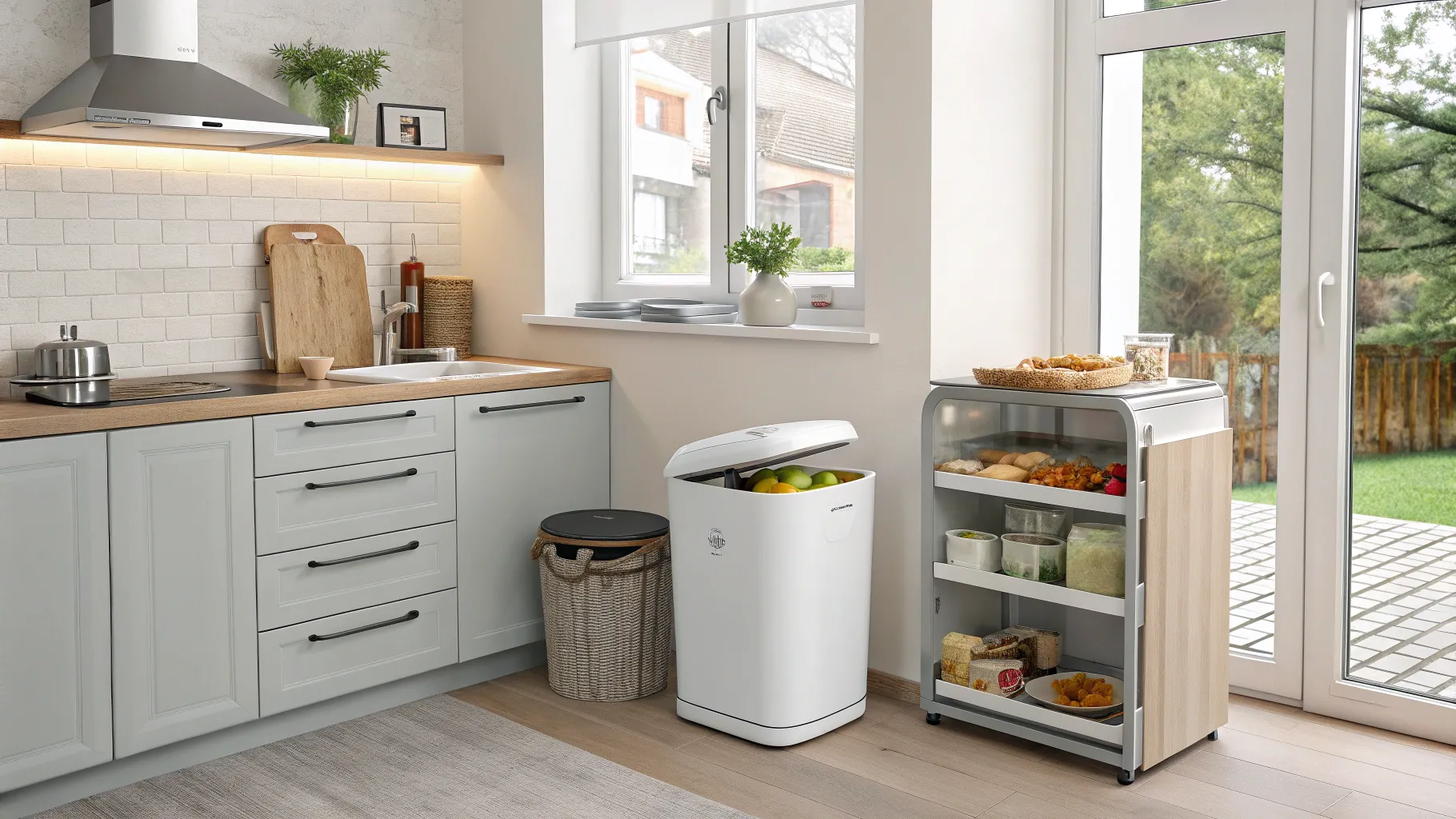
Understanding Common Causes of Indoor Odors in 2025
Indoor odors can drastically affect your home's atmosphere as well as your overall comfort. In recent years, with increasing awareness of air quality, more people are keen on identifying the sources of these unpleasant smells. Not only do we want our spaces to look good, but fresh air is also crucial for our well-being. With various factors at play, like seasonal changes and day-to-day activities, the lingering scents in our homes can become overwhelming. Knowing the common causes of indoor odors is vital for creating a fresh and enjoyable living environment.
Everyday Household Odor Sources
Identifying the culprits behind bad indoor smells can lead to actionable solutions. Let's explore the primary sources:
- Kitchen Waste: The kitchen can be a hotspot for odors, primarily due to leftover food, spoiled groceries, and food scraps that might linger even after disposal. Ensuring proper waste management and regular cleaning are essential steps in this area.
- Pets: Our furry friends certainly bring joy to our lives, but pet-related smells—like dander, urine, and fur—can become major offenders. Regular grooming combined with thorough cleaning can help mitigate these issues.
- Mold and Mildew: High humidity levels in bathrooms and basements can lead to mold growth. Not only does this impact air quality adversely, but these fungi often produce a musty odor that can be challenging to eliminate without proper treatment.
- Dirty Carpets and Upholstery: Carpets and upholstery can accumulate odors over time from dirt, spills, and pet hair. Regular vacuuming and deep cleaning—including professional carpet cleaning twice a year—can significantly reduce odors.
- Poor Air Circulation: Stagnant air can allow odors to build up in enclosed spaces. This is particularly true for small rooms or areas without sufficient ventilation. Ensuring proper airflow is key to an odor-free environment.
Improving Indoor Air Quality for a Fresher Home
Improving indoor air quality is essential for reducing unpleasant odors and creating a healthy living space. Here are effective techniques that can significantly distill the freshness in your home:
- Ventilation: Maintaining adequate airflow in your home is crucial. Regularly opening windows and utilizing ventilation fans can help dissipate lingering odors, particularly during milder weather.
- Avoid Overcrowding: Cluttered spaces can trap and intensify odors. Keeping your home organized not only enhances its appearance but also promotes better air quality.
- Regular Cleaning: A consistent cleaning schedule is vital to combat dirt and odors. Make it a habit to vacuum, wash upholstery, and mop floors regularly. Pay close attention to areas that harbor hidden smells like behind appliances or under furniture.
- Indoor Plants: Certain indoor plants, such as spider plants, peace lilies, and snake plants, offer natural air purification. These greenery not only beautify your home but also actively filter out pollutants that cause musty odors.
- Essential Oils and Natural Fresheners: Instead of relying on synthetic air fresheners, consider using essential oils. A few drops in a diffuser can fill your space with pleasant scents without the harsh chemicals associated with commercial fragrances.
- Humidity Control: Managing humidity levels can prevent odors caused by mold. Simple solutions like using dehumidifiers in damp areas or humidifiers in overly dry seasons are highly effective.
Recognizing that smell sources in the home can shift with the seasons is just as important as tackling them. Recent studies show that about 74% of individuals are more aware of indoor smells during seasonal transitions. In fall and winter, homes often remain tightly sealed, allowing odors to intensify. Proactively adjusting your methods for combating odors can significantly improve your indoor air quality.
Seasonal Indoor Smells and Practical Solutions
Seasonal changes serve to amplify specific indoor smells. Understanding these variations can empower you to tackle them effectively:
- Winter: The winter months can lead to stale air circulation due to closed indoor spaces and heating systems. To counteract this, regularly clean or replace furnace filters, and consider investing in an air purifier to help improve air quality.
- Spring: Spring symbolizes renewal and an excellent opportunity to tackle deep cleaning projects. Take advantage of this season to thoroughly clean carpets and upholstery, eliminating odors that have collected during the colder months.
- Summer: Heat can amplify odors from food, sweat, and pets. Make it a priority to dispose of trash often, and use baking soda or scent-neutralizing sprays in areas impacted by cooking or pet activities.
- Fall: As the usage of fireplaces increases, the smell of old wood can fill the home. Ensure proper ventilation and a clean fireplace to minimize any musty or smoky odors.
By proactively addressing seasonal changes in your home, you can prevent unwanted smells from establishing themselves. A strategic approach toward managing household odor sources contributes to a healthier, more pleasant living environment.
Investing effort in improving your indoor air quality is not just about eliminating odors but also fostering a greater sense of well-being. Indoor air quality plays a vital role in respiratory and mental health, with many unpleasant smells signaling latent issues needing attention.
Consider that our senses are intrinsically linked to our emotions and memories. An inviting and fresh home contributes to a positive atmosphere, enhancing your overall happiness and tranquility. To ensure an ongoing sense of freshness, incorporate cleaning and maintenance tasks into your routine. Consistent upkeep will help keep odors at bay, ensuring that your indoor environment remains pleasant for both you and your guests.