Comforting Tea Choices During Colds: A Guide to Warm Relief
Facts:
- Herbal teas have been used for centuries for medicinal purposes.
- A growing trend for warm tea comfort ideas involves home blending.
Navigating the Best Tea Choices During Colds for Ultimate Soothing Relief
When a cold strikes, the desire for warmth and comfort is universal. A steaming mug of tea can feel like a warm hug from the inside, providing not just hydration but also a host of symptom-relieving benefits. Navigating the vast world of teas for colds can be overwhelming, but understanding which blends work best for specific ailments is key to finding fast relief. From classic herbal remedies to creative infusions, the right comfort tea options can significantly ease your discomfort and support your body's natural healing process. This guide explores the most effective and soothing choices to help you through the cold season.
Classic Herbal Teas for Colds and Their Benefits
Certain herbal teas have stood the test of time as go-to remedies for cold symptoms. Their natural compounds offer anti-inflammatory, decongestant, and calming properties that are invaluable when you're feeling unwell. Understanding these hot tea basics can help you build a powerful, natural toolkit for cold and flu season. These are some of the top tea choices during colds recommended for their proven effectiveness.
Peppermint Tea
Peppermint tea is a powerful ally against congestion. The active compound, menthol, is a natural decongestant that can help break up mucus and soothe a stuffy nose and chest. Inhaling the steam from a cup of peppermint tea before drinking it can provide immediate relief for nasal passages. It's one of the most refreshing comfort tea options available and can also help soothe an upset stomach, which sometimes accompanies a cold.
Ginger Tea
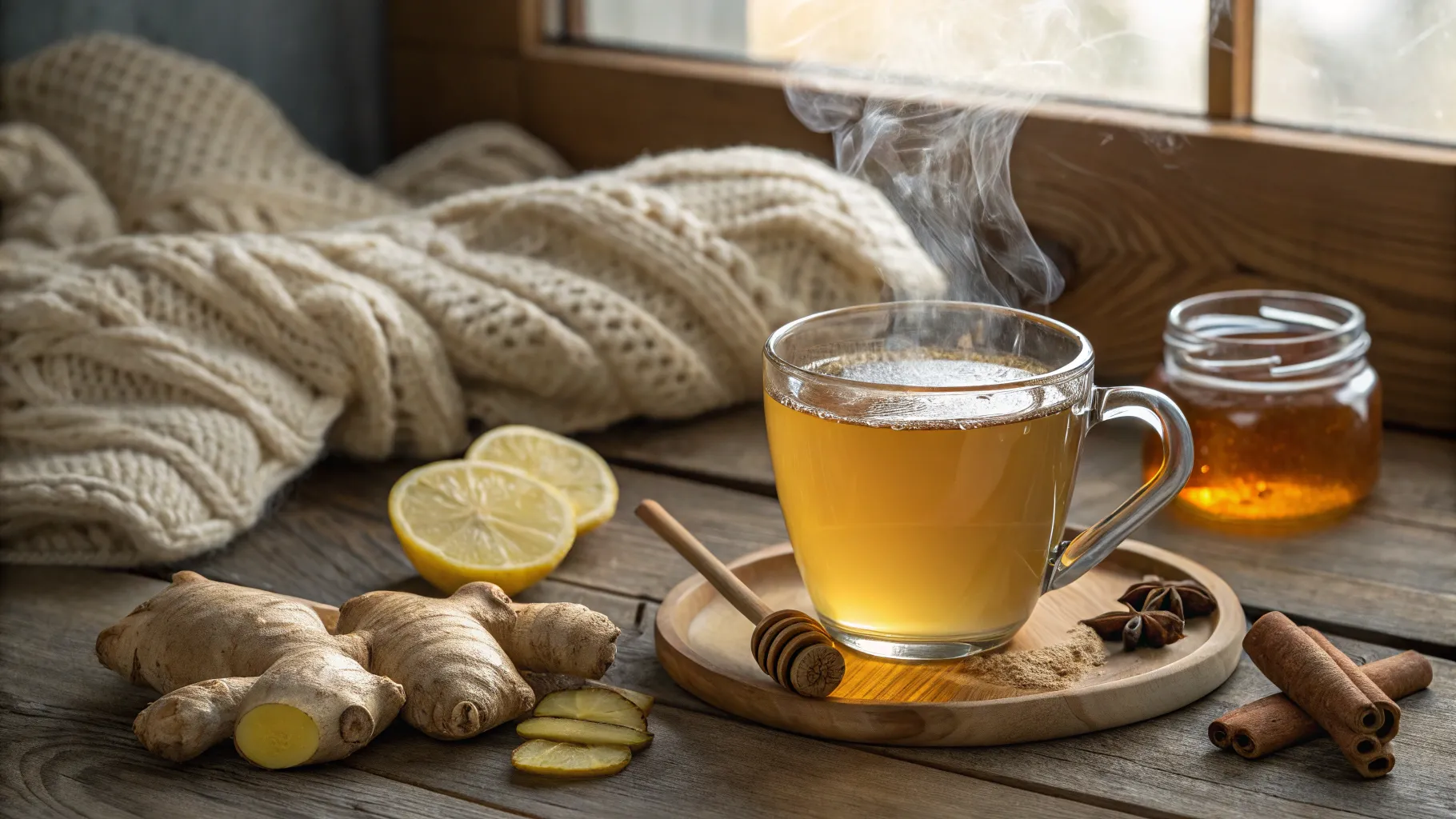
Known for its potent anti-inflammatory and antioxidant properties, ginger tea is a superstar among teas for colds. It can effectively soothe a sore throat, reduce inflammation, and combat nausea. Making fresh ginger tea by steeping slices of ginger root in hot water is a simple and effective method. For added benefits and flavor, a squeeze of lemon and a spoonful of honey can enhance its soothing power, making it a staple in any list of warm tea comfort ideas.
Chamomile Tea
Rest is crucial for recovery, and chamomile tea is renowned for its calming and sleep-inducing qualities. It contains antioxidants that may promote sleepiness, and its anti-inflammatory properties can help reduce throat soreness. Enjoying a warm cup before bed can help you get the restorative sleep your body needs to fight off the infection. It's one of the gentlest yet effective comfort tea options.
Echinacea Tea
Echinacea is perhaps one of the most famous herbs for boosting the immune system. Many people drink echinacea tea at the first sign of a cold to potentially shorten its duration and lessen its severity. While research is ongoing, its popularity as one of the essential tea choices during colds remains strong due to its reputation for stimulating immune function and fighting off pathogens.
Beyond the Basics: Unique Warm Tea Comfort Ideas
While classic teas are effective, you can also get creative with your brews for enhanced benefits and flavor. Exploring different warm tea comfort ideas can make your recovery period more enjoyable. Consider making a blend of ginger and turmeric tea for a powerful anti-inflammatory punch. You can also create a 'cold-buster' tea by combining peppermint, elderflower, and yarrow. Adding a cinnamon stick not only imparts a comforting flavor but also offers antimicrobial properties. These personalized comfort tea options allow you to tailor your beverage to your specific symptoms and taste preferences.
Understanding Hot Tea Basics for Maximum Effectiveness
To get the most out of your tea, it's important to understand some hot tea basics. The temperature of the water and the steeping time can significantly impact the flavor and the extraction of beneficial compounds. For most herbal teas, using water just off the boil (around 200-212°F or 93-100°C) is ideal. Steeping time typically ranges from 5 to 10 minutes. Using a lid on your mug while it steeps helps trap the volatile oils and steam, ensuring you get the full decongestant and aromatic benefits. Whether you use loose-leaf tea or tea bags, these fundamentals will elevate your experience with teas for colds.
Comparing Different Comfort Tea Options for Your Symptoms
Choosing the right tea depends on your primary symptoms. For a stuffy nose and sinus pressure, peppermint is the clear winner due to its menthol content. If a painful sore throat is your main complaint, the anti-inflammatory properties of ginger and chamomile are your best bet. For a cough, tea with honey and lemon provides a soothing coating. When you just feel weak and need to support your immune system, echinacea is the top choice. Making informed tea choices during colds ensures you are targeting your specific needs, which is far more effective than picking a random blend. The best approach might even involve rotating through different comfort tea options as your symptoms change throughout the day.
How to Create the Perfect Soothing Tea Ritual
A tea ritual can be a meditative and healing practice when you're sick. It transforms the simple act of drinking tea into a mindful moment of self-care. Here are some actionable steps to enhance your experience with warm tea comfort ideas:
- Choose the Right Mug: A large, comfortable mug that you can cup with both hands adds to the feeling of warmth and security.
- Add Natural Soothers: A spoonful of raw honey not only sweetens your tea but also has antibacterial properties and can soothe a cough. A slice of lemon adds Vitamin C.
- Inhale the Steam: Before taking a sip, hold the mug close to your face and inhale the steam deeply. This can help clear your sinuses and is a core part of enjoying teas for colds.
- Find a Quiet Space: Sit in a comfortable chair, wrap yourself in a blanket, and focus on the warmth and flavor of the tea. This moment of peace can be incredibly restorative.
Frequently Asked Questions
What are the best teas for colds?
The best teas for colds include peppermint for congestion, ginger for sore throats and nausea, chamomile for rest and relaxation, and echinacea for immune support. The ideal choice often depends on your specific symptoms.
Can I drink caffeinated tea when I have a cold?
While herbal teas are generally recommended, black or green tea can be consumed in moderation. They contain antioxidants, but their caffeine content can be dehydrating. It's crucial to drink plenty of other fluids, like water, if you choose caffeinated tea choices during colds.
How do warm tea comfort ideas help with symptoms?
Warm liquids, in general, help to soothe a sore throat and can loosen mucus. The steam helps to clear nasal passages. Specific herbs used in these teas provide additional benefits, such as anti-inflammatory, antimicrobial, and calming effects, which directly target cold symptoms.
References
- Journal of Herbal Medicine studies on tea benefits.
- National Center for Complementary and Integrative Health findings on echinacea.
- Culinary medicine guides on infusions for wellness.