Colon Cancer: Symptoms Treatment Causes and Staging Guide
Understanding Colon Cancer: A Growing Concern
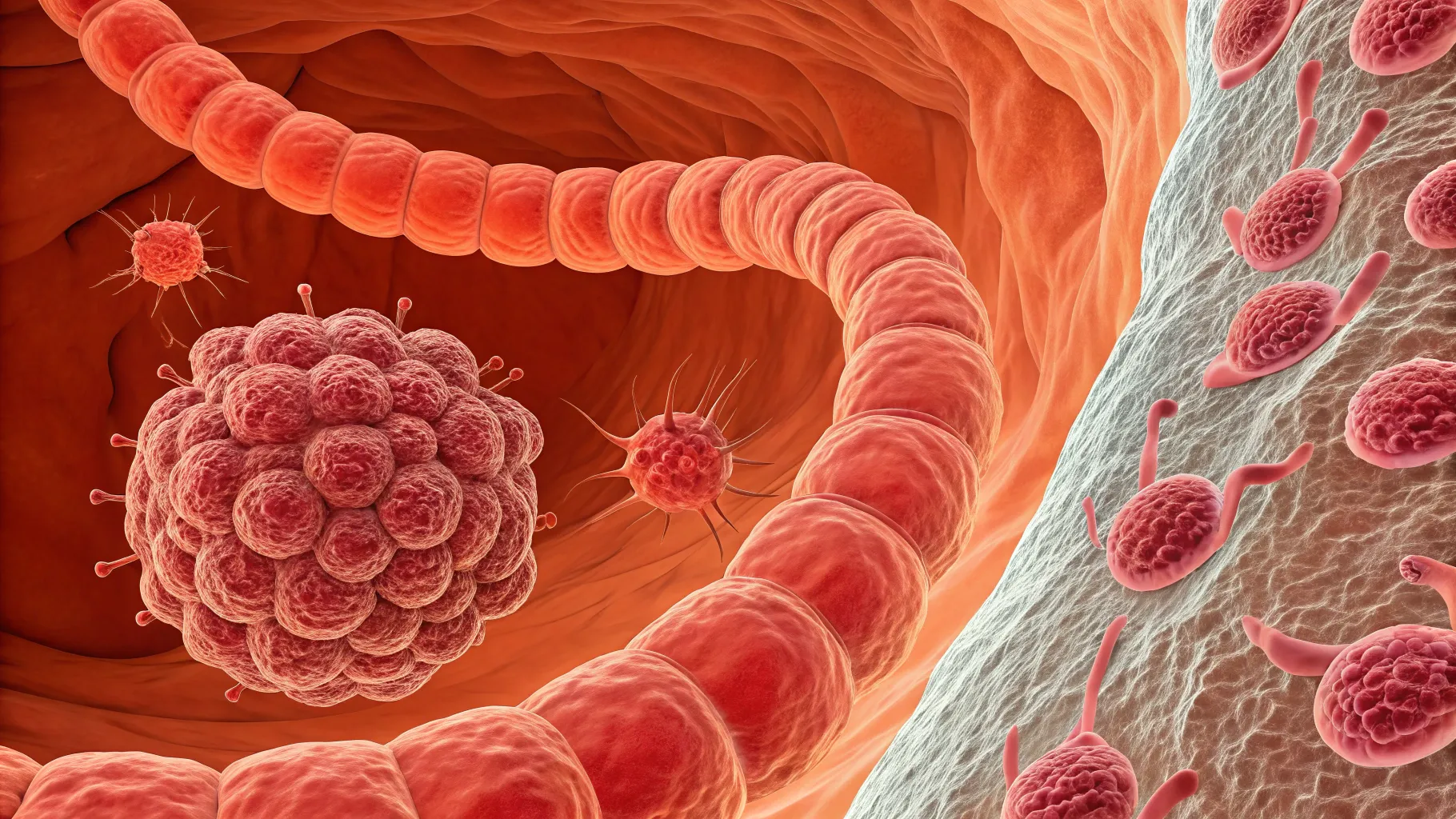
Colon cancer, often referred to as colorectal cancer, remains a pressing health issue, affecting millions globally. As we dive into 2025, the American Cancer Society provides an alarming forecast—around 104,000 individuals will be diagnosed with this disease this year alone. This statistic cements colon cancer as one of the most prevalent cancers in the United States, highlighting the importance of increased awareness and understanding. Colon cancer typically originates from the inner lining of the colon or rectum and, if not detected early, can metastasize to nearby lymph nodes or other organs, underscoring the necessity of early detection and education.
Colon Cancer Symptoms You Should Never Ignore
Awareness of colon cancer symptoms plays a crucial role in early diagnosis and treatment—this can be a game changer for survival rates. The following symptoms are often associated with colon cancer:
- Change in bowel habits: Persistent diarrhea, constipation, or shifts in stool consistency lasting more than four weeks.
- Blood in stool: Visible bright red or dark blood can signify bleeding within the digestive tract.
- Unexplained weight loss: Significant weight loss without changes in diet or exercise routines can indicate serious health concerns.
- Abdominal discomfort: Ongoing cramping, gas, or pain are signals that require attention.
- Persistent fatigue: A feeling of weakness or tiredness that doesn’t have an obvious cause might be a warning sign.
- Narrow stools: Stools that appear thinner than usual can suggest an obstruction in the colon.
People experiencing any of these symptoms—especially those over fifty or with a family history of colon cancer—should consult with a healthcare professional promptly. Early intervention is key.
Colon Cancer Causes: What You Need to Know
Although the exact cause of colon cancer is yet to be fully understood, extensive research has highlighted several potential risk factors. Understanding these can empower individuals to make informed lifestyle changes.
- Age: The risk of developing colon cancer significantly increases after the age of fifty.
- Genetic predisposition: Hereditary conditions like Lynch syndrome and familial adenomatous polyposis dramatically raise the chances of colon cancer diagnosis.
- Diet: Diets high in red and processed meats, coupled with low fiber intake, can increase risk.
- Physical inactivity: A sedentary lifestyle contributes to obesity, further elevating cancer risk.
- Tobacco and alcohol use: Regular smoking and heavy drinking have definitive links to increased risk.
- Chronic inflammatory conditions: Diseases such as ulcerative colitis can heighten susceptibility to colon cancer.
By recognizing these risk factors, individuals can strive to modify their lifestyles to lower their risk of colon cancer. Research from the past year suggests that even small changes—like increasing fruit and vegetable intake or incorporating regular physical activity—can have significant impacts on overall colon health.
Exploring Colon Cancer Treatment Options
The treatment landscape for colon cancer is constantly evolving. Therapeutic approaches vary significantly depending on the disease stage, location, and the patient’s overall health. Currently, several main treatment modalities are utilized:
- Surgery: Surgical resection remains the standard approach for early-stage colon cancer, involving the removal of the tumor along with some surrounding healthy tissue.
- Chemotherapy: Often prescribed for stages II and III cancer, chemotherapy employs drugs to eliminate or slow the growth of cancer cells.
- Radiation therapy: This method uses high-energy rays to target and eradicate cancer cells. It is commonly used post-surgery to reduce the risk of recurrence.
- Targeted therapy: Advances in medicine have introduced treatments that focus on specific pathways crucial for cancer growth, leading to better outcomes with fewer side effects.
- Immunotherapy: A groundbreaking approach leveraging the body's immune system to combat cancer, showing particular promise in specific colon cancer subtypes.
Recent clinical trials have indicated that personalized medicine—tailoring treatments based on individual genetic profiles—can enhance treatment effectiveness while minimizing adverse effects. These advancements signal hope for better management of colon cancer and improved patient prognoses.
Understanding Colon Cancer Staging
Staging colon cancer is fundamental as it plays a critical role in determining how far the disease has progressed and influencing treatment strategies. The staging system typically categorizes colon cancer into five stages, from Stage 0 to Stage IV:
- Stage 0: Cancer cells are localized to the innermost lining of the colon.
- Stage I: Cancer has grown but not spread beyond the colon.
- Stage II: Cancer has progressed through the colon wall but hasn’t reached lymph nodes.
- Stage III: Cancer has spread to nearby lymph nodes without reaching other organs.
- Stage IV: The most advanced stage, where cancer has metastasized to distant organs.
Staging is assessed through various diagnostic tools ranging from imaging tests, like CT scans and MRIs, to biopsies. These evaluations are crucial for developing effective treatment plans tailored to individual needs.
In summary, being informed about colon cancer—its symptoms, causes, treatment options, and staging—can significantly increase the likelihood of successful outcomes through timely intervention. Increased awareness, education, and regular screenings are essential in fighting this prevalent disease. The landscape of colon cancer research continues to evolve, offering hope and better health outcomes for those at risk or diagnosed.