Cold Or Flu Symptom Checker: How to Tell the Difference
Facts:
- Colds and flu are both caused by viruses, but are not the same illness.
- A major trend for patients is using an online flu symptom checker for initial self-assessment.
Navigating Your Symptoms: The Definitive Guide to Using a Cold Or Flu Symptom Checker
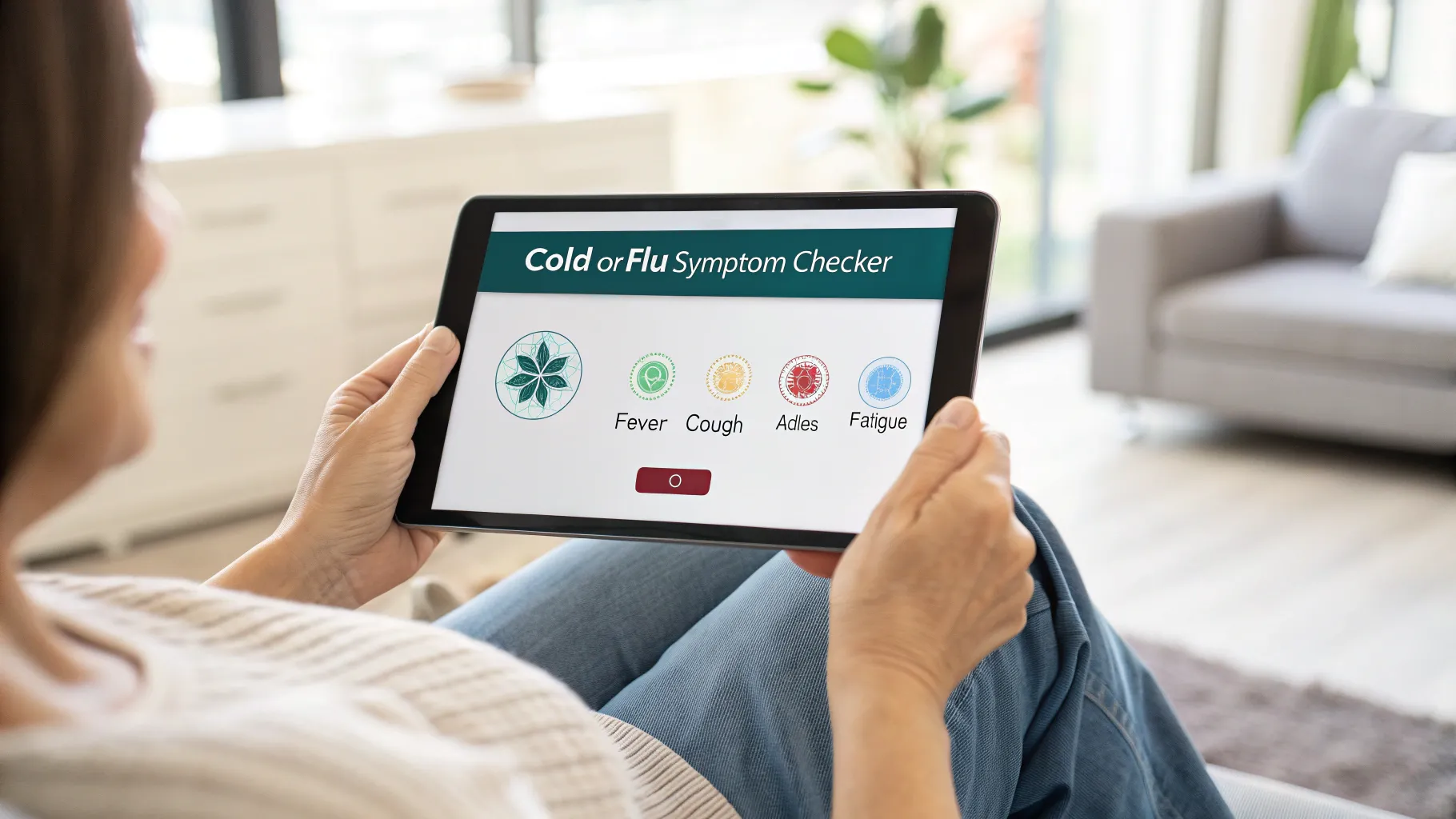
When you start to feel sick—with a cough, sore throat, or body aches—the first question that often comes to mind is: do i have a cold or the flu? The symptoms can be deceptively similar in the early stages, making it difficult to distinguish between the two. This is precisely where a cold or flu symptom checker becomes an invaluable first-step tool. These digital guides are designed to help you analyze your specific symptoms against common profiles for both illnesses, providing clarity and helping you make informed decisions about your health. By methodically evaluating what you're experiencing, you can gain a better perspective on whether you need to prepare for a few days of mild discomfort or a more severe illness requiring rest and potentially medical attention.
Understanding the Core Differences: Cold vs. Flu
The primary value in understanding cold or flu symptom checker tools lies in their ability to highlight the key differences between these two common respiratory illnesses. A cold typically has a gradual onset. You might feel a scratchy throat one day, followed by a runny or stuffy nose the next. Symptoms are generally milder and localized to the head and neck. The flu, however, hits hard and fast. It's characterized by an abrupt onset of symptoms that are more severe and systemic. Key differentiators that a cold vs flu symptom checker will focus on include the presence of a high fever (often absent or low-grade with a cold), significant body aches, intense fatigue, and a dry, hacking cough. While a cold might make you feel unwell, the flu can make you feel completely debilitated and unable to perform daily activities. Using a tool to check flu symptoms online helps codify these distinctions, moving you from a state of uncertainty to one of clearer understanding.
How an Online Flu Symptom Checker Works
An online flu symptom checker is not a diagnostic tool, but rather a sophisticated questionnaire powered by algorithms based on established medical knowledge. When you use one, you are prompted to input specific details about your condition. This includes the severity and type of cough, your exact temperature, the level of body aches, and the presence of other symptoms like headache, chills, or sore throat. The system then compares your pattern of symptoms to classic presentations of the common cold and various strains of influenza. The logic is based on probability; for example, the combination of sudden high fever, severe aches, and extreme fatigue strongly suggests the flu. The goal of using a tool to check flu symptoms online is to receive a data-driven suggestion, helping you resolve the common query: do i have a cold or the flu? It provides educational guidance so you can have a more informed conversation if you decide to contact a healthcare professional.
Key Symptoms to Input When You Check Flu Symptoms Online
To get the most accurate assessment from a cold or flu symptom checker, providing detailed and accurate information is crucial. Generic inputs will yield generic results. Be specific about what you're experiencing. For fever, note the exact temperature and how quickly it appeared. For aches and pains, distinguish between mild discomfort and severe, debilitating muscle pain. Is your cough dry and persistent, or is it productive? Are you just a little tired, or are you experiencing profound exhaustion that makes it difficult to get out of bed? Other important symptoms to input include chills, sore throat, runny or stuffy nose, and headaches. The more precise you are, the better the online flu symptom checker can differentiate between the two conditions and provide a useful, preliminary assessment.
Actionable Steps After Using a Symptom Checker
Once you've used a cold vs flu symptom checker and have a clearer idea of what you might be dealing with, the next step is to take appropriate action. This is the ultimate purpose of understanding cold or flu symptom checker outputs. Here are some recommended actions based on the likely results:
- If Symptoms Suggest a Cold: Focus on rest and hydration. Over-the-counter remedies like decongestants and pain relievers can help manage symptoms. A cold is typically self-limiting and will resolve within a week to ten days without professional medical intervention.
- If Symptoms Suggest the Flu: Prioritize immediate and significant rest. The flu can lead to serious complications like pneumonia, so it's vital to allow your body to fight the infection. Contact your doctor, especially if you are in a high-risk group (e.g., elderly, pregnant, or have chronic health conditions). They may prescribe antiviral medication, which is most effective when started within 48 hours of symptom onset.
- If Symptoms Are Severe or Worsening: Regardless of what the checker suggests, if you experience severe symptoms like difficulty breathing, chest pain, sudden dizziness, confusion, or a fever that doesn't respond to medication, seek immediate medical attention. Digital tools are for guidance, not emergencies.
The Limitations of a Digital Cold Or Flu Symptom Checker
While incredibly useful, it is critical to acknowledge the limitations of any online flu symptom checker. These tools operate on algorithms and probabilities; they cannot perform a physical examination, listen to your lungs, or run diagnostic tests like a flu swab. They do not replace the professional judgment and expertise of a qualified healthcare provider. An unusual presentation of symptoms or an underlying health condition can affect the accuracy of the assessment. Therefore, always consider the results as a preliminary guide. The information is meant to empower you, not to provide a definitive diagnosis. The final word on your health should always come from a doctor or other medical professional, especially when dealing with potentially serious illnesses like influenza.
Frequently Asked Questions
How accurate is a cold vs flu symptom checker?
A cold vs flu symptom checker is designed to be a highly informative guide based on common symptom patterns. Its accuracy depends on the quality of the information you provide. While it can offer a strong indication, it is not a substitute for a professional medical diagnosis and should be used for informational purposes only.
Can I use an online flu symptom checker for my child?
While many principles are the same, symptoms in children can present differently and can escalate more quickly. Some checkers have pediatric options, but it is always recommended to contact a pediatrician if your child is showing signs of the flu, especially if they have a high fever or seem unusually lethargic.
What should I do after I check flu symptoms online?
After you check flu symptoms online, use the information to guide your next steps. If symptoms point towards a common cold, focus on rest and home care. If the flu seems likely, isolate yourself to prevent spreading the virus, rest completely, and contact your doctor for advice, especially regarding potential antiviral treatments.
Is there a common answer to 'do i have a cold or the flu'?
The answer to 'do i have a cold or the flu' depends entirely on the specific cluster of symptoms. The most telling difference is usually the onset and severity. The flu typically comes on suddenly with high fever and severe body aches, whereas a cold tends to be a more gradual, milder illness centered around sneezing and a stuffy nose.
References
- Centers for Disease Control and Prevention (CDC) - Cold Versus Flu
- World Health Organization (WHO) - Influenza (Seasonal) Information
- National Institute of Allergy and Infectious Diseases (NIAID) - Flu Research Data
- Clinical Journals on Respiratory Illness Symptomatology