Understanding Cold Hands and Feet in Seniors
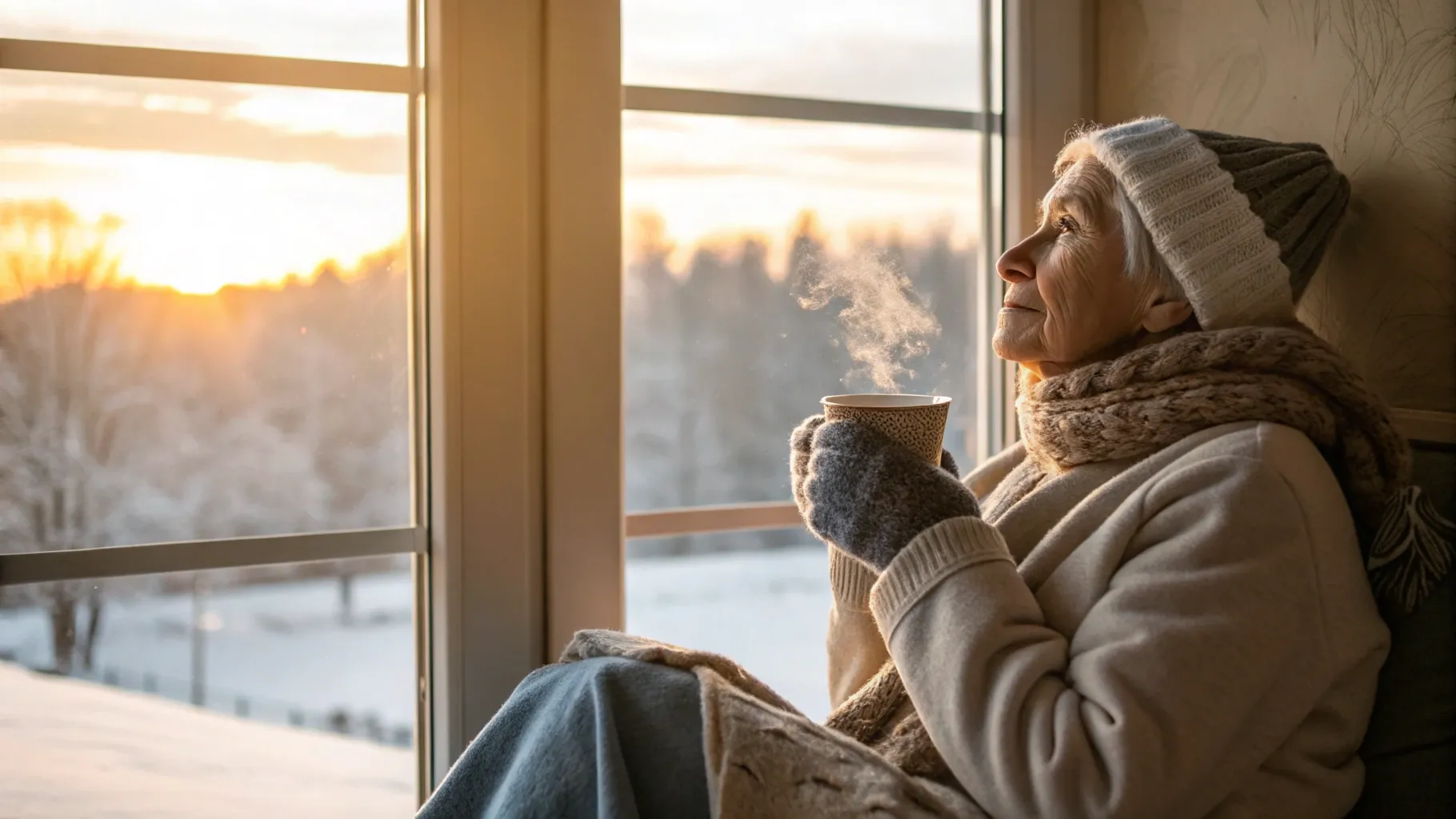
Understanding Cold Hands and Feet in Seniors: Causes and Solutions in 2025
Many seniors experience cold hands and feet, a condition that's not just uncomfortable but can hinder daily activities, especially in 2025 where our understanding of elderly health is evolving. This article explores the reasons behind this common issue among older adults and offers practical solutions to improve their quality of life.
Exploring the Root Causes of Cold Extremities in Seniors
Cold extremities are widespread among individuals aged 65 and older, as highlighted in recent studies showing around 30% of seniors frequently face this chilling sensation. A primary culprit is the changes within the cardiovascular system.
Aging brings arterial changes, such as arteriosclerosis, where arteries harden and lose flexibility. This change impedes efficient blood flow to extremities, often leaving hands and feet colder. These transformations remind us that aging is complex, and understanding it is key to managing symptoms.
Decoding Circulatory Changes
Our circulatory system undergoes inevitable changes with age. An insightful report from the 2024 Journal of Geriatric Medicine underscores how reduced blood flow to extremities in seniors disrupts the body's ability to regulate temperature. It's why seniors often feel cold at room temperatures that might be comfortable for younger individuals.
Factors Affecting Circulation in Older Adults
Naturally, aging affects circulation, but certain factors can exacerbate cold extremities:
- Atherosclerosis: This condition involves plaque buildup in arteries, narrowing them and hindering blood flow, leading to coldness in extremities.
- Sedentary Lifestyle: A lack of physical activity can lead to poor circulation, making it critical for seniors to stay active.
- Health Conditions: Issues like diabetes, thyroid disorders, and Raynaud’s phenomenon can negatively impact blood vessels, often resulting in cold hands and feet.
New data from the Global Elder Care Study 2024 reveals that 40% of elderly adults with diabetes experienced recurring cold extremities, highlighting the need for managing underlying health issues effectively.
Understanding the Hypothalamus and Muscle Loss
Aging not only impacts circulation but also affects the hypothalamus, the part of the brain responsible for temperature regulation. Its efficiency declines with age. Additionally, muscle mass decreases over time, and since muscles play a crucial role in heat production and retention, their loss can make seniors more susceptible to cold.
Implementing Strategies to Enhance Circulation Naturally
Despite inevitable changes, certain practices can ease cold symptoms in seniors significantly. Here are practical steps:
- Engage in Regular Exercise: Activities like walking, swimming, or yoga can increase blood circulation, offering valuable benefits for cardiovascular health.
- Adopt a Balanced Diet: Consuming nutrient-rich foods, such as leafy greens and fish rich in omega-3 fatty acids, supports cardiovascular wellness.
- Remain Hydrated: Adequate hydration can prevent blood from becoming too thick, facilitating better blood flow.
- Dress Appropriately: Layering clothing helps retain body heat, providing insulation against the cold.
Regular medical check-ups are crucial for seniors. Detecting and managing conditions like anemia or peripheral artery disease early can significantly enhance life quality by preventing further circulation deterioration.
While aging naturally alters body functions, seniors can manage chilly sensations by embracing smart lifestyle choices and seeking timely medical interventions. With these measures, they can enjoy warmth and enhanced quality of life, even in their golden years.