Top Coffee Brands Ranking: A Comprehensive Guide
🗣️ Fast Facts:
- Top-ranked brands consistently balance superior taste profiles with ethical sourcing practices and value.
- The average cost for specialty coffee has risen approximately 15% over the past two years, impacting consumer choice.
- To find your ideal match, start with a sampler pack from a reputable roaster to compare different origins and roast levels.
Decoding the Rankings: What Matters Most?
Understanding how coffee brands are ranked is the first step to choosing the right one for your palate. Rankings aren't just about taste; they are a complex score derived from bean quality, roasting consistency, ethical practices, and overall value. This guide breaks down these factors to help you navigate the crowded coffee aisle and online marketplaces with confidence.
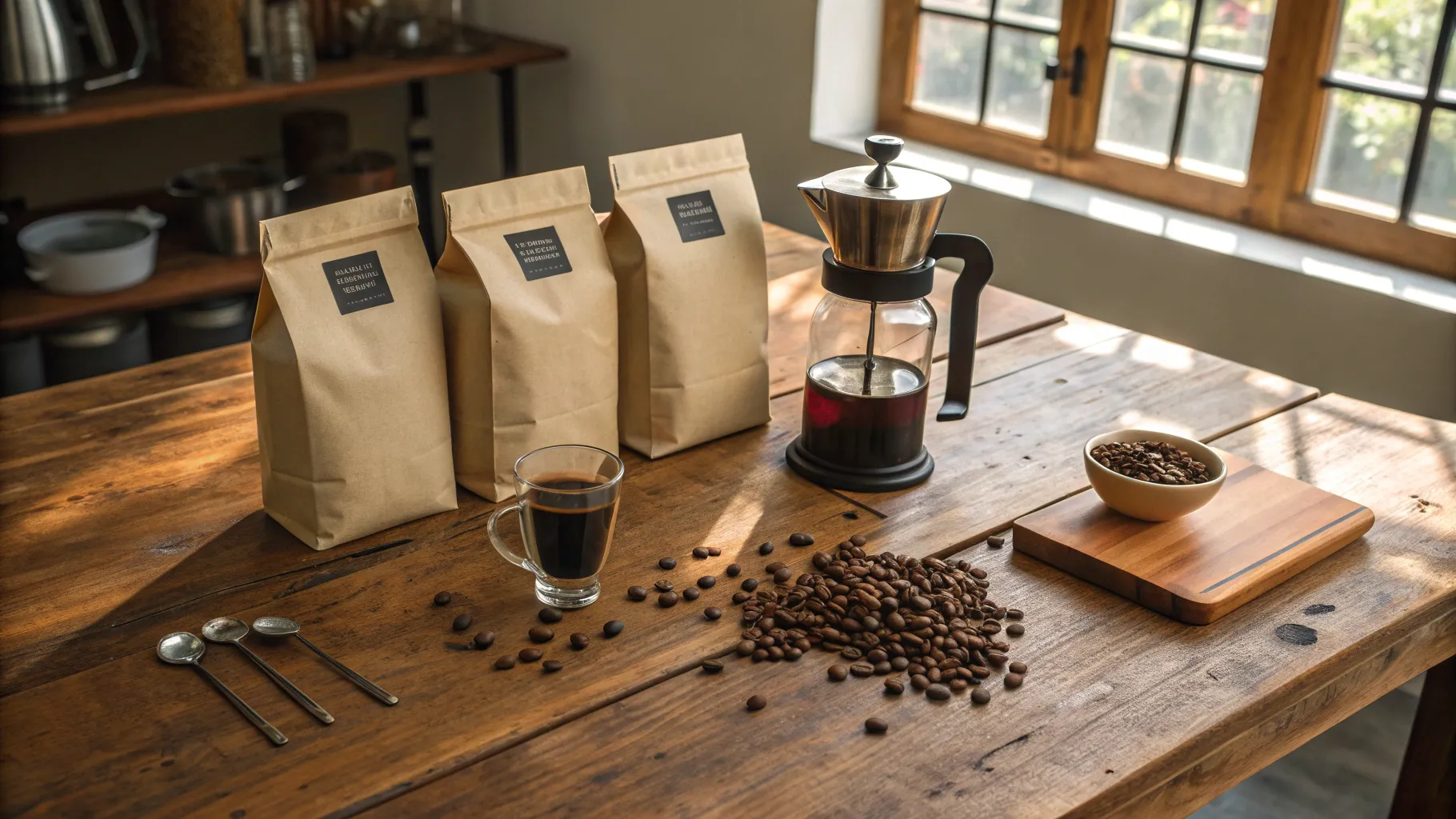
Key Factors in Coffee Brand Evaluation
When experts and consumers rank coffee brands, they consider several critical elements that contribute to the final cup. Here’s what to look for:
- Bean Quality and Origin: The foundation of great coffee is the bean itself. Top-tier brands specify the origin (country, region, even farm) and use high-quality Arabica beans known for their complex flavor profiles.
- Roasting Profile: The roaster's skill is paramount. A great brand achieves a consistent roast that highlights the bean's inherent flavors, whether it's a light roast with bright, acidic notes or a dark roast with rich, chocolaty tones.
- Freshness: Coffee is a perishable product. Leading brands prioritize freshness, often printing the 'roasted on' date on the bag. Coffee is best consumed within a few weeks of this date.
- Ethical Sourcing and Sustainability: Many consumers prioritize brands that use Fair Trade, Direct Trade, or Rainforest Alliance certified beans, ensuring farmers are paid fairly and environmental impact is minimized.
- Price-to-Quality Ratio: The best brand isn't always the most expensive. A high ranking often indicates an excellent balance between cost and the quality of the coffee experience.
- Variety of Offerings: A comprehensive brand provides a range of options, including single-origin coffees, expertly crafted blends, and different roast levels to cater to diverse preferences.
Comparison: Grocery Store Brands vs. Specialty Roasters
Standard Grocery Store Brands
These are the widely available, mass-produced brands you see in major supermarkets. They focus on consistency and affordability. While convenient, they often use a blend of beans from various unspecified sources and may not provide a 'roasted on' date, potentially sacrificing freshness and flavor complexity for a longer shelf life.
Advanced Specialty Roasters
Specialty roasters focus on high-quality, single-origin beans from specific farms or cooperatives. They roast in small batches to maintain control and highlight unique flavor notes. These brands emphasize transparency, providing detailed information about the coffee's origin, processing method, and roast date. While typically more expensive, they offer a superior and more nuanced taste experience.
Checklist: Finding Your Perfect Coffee Brand
Use this guide to narrow down your choices and identify a brand that aligns with your preferences:
- Identify Your Flavor Profile: Do you prefer bright and fruity, or rich and chocolaty? This will guide you towards light or dark roasts.
- Consider Your Brewing Method: Some coffees are better suited for espresso, while others shine in a drip brewer or French press. Brands often provide brewing recommendations.
- Check the Roast Date: Always look for a 'roasted on' date on the package. The fresher, the better.
- Investigate Sourcing Practices: If sustainability and ethics are important to you, look for certifications like Fair Trade or Direct Trade.
- Start Small: Purchase a smaller bag from a new-to-you brand before committing to a larger quantity.
Frequently Asked Questions
What is the number one coffee brand?
There is no single 'number one' brand, as rankings are subjective and depend on the criteria used. However, brands like Stumptown, Intelligentsia, and La Colombe consistently receive high ratings from experts for their quality, sourcing, and roasting expertise.
Is expensive coffee really better?
Often, a higher price reflects higher quality beans, ethical sourcing practices (which cost more), and meticulous small-batch roasting. While price doesn't always guarantee you'll love the taste, it's often an indicator of superior quality and craftsmanship.
What's the difference between a single-origin coffee and a blend?
A single-origin coffee comes from one specific geographical location, showcasing the unique flavors of that region. A blend combines beans from multiple origins to create a balanced, consistent, and often more complex flavor profile.
How important is the roast date?
The roast date is critically important. Coffee beans begin to lose their flavor and aroma within a few weeks of roasting as they degas and oxidize. For the best taste, you should aim to buy beans that were roasted as recently as possible.
References
- National Coffee Association (NCA)
- Specialty Coffee Association (SCA)
- Food & Wine Magazine Coffee Guides