Chronic Kidney Disease Symptoms Stages and Treatment 2025
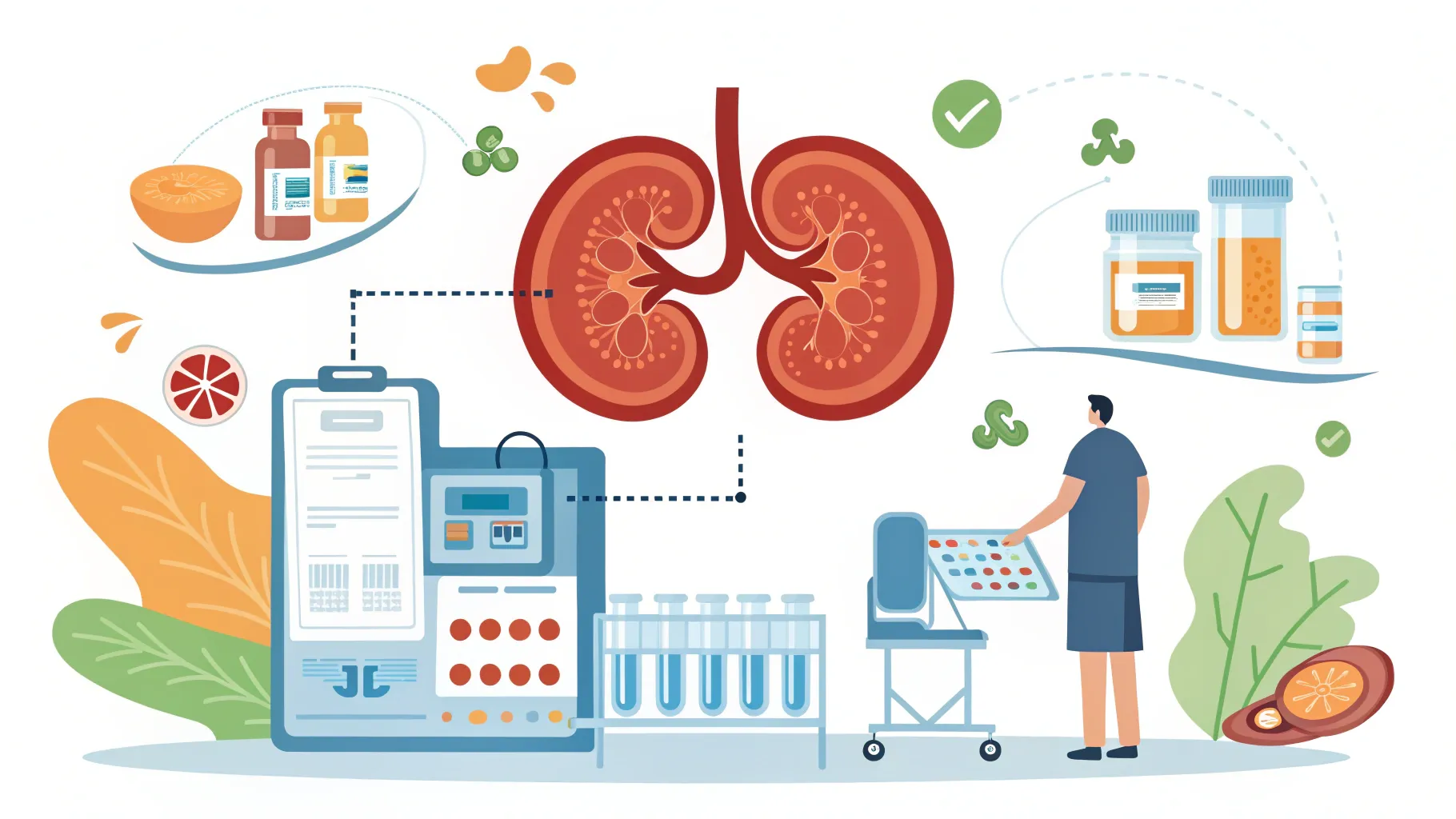
Understanding Chronic Kidney Disease in 2025
Chronic kidney disease, often referred to as CKD, is a pressing health issue that impacts millions across the globe—around 540 million individuals are living with this condition as of early 2025. This staggering number emphasizes CKD's prevalence and its serious implications on health worldwide. By gaining insight into CKD's symptoms, stages, risk factors, and treatment strategies, individuals can take proactive steps to manage their kidney health more effectively.
What Exactly is Chronic Kidney Disease?
CKD is defined as the progressive decline of kidney function over time, jeopardizing the kidneys' essential roles. The kidneys are responsible for filtering out waste products, excess fluids, and maintaining the body’s balance of electrolytes while regulating blood pressure. As kidney function deteriorates, harmful substances can build up in the bloodstream, posing various health risks. One of the critical issues with CKD is its tendency to advance silently, leading many people to remain unaware of their condition until the later stages.
Recognizing the Symptoms of Chronic Kidney Disease
Being able to identify the symptoms associated with CKD can be crucial for early diagnosis and better management. In the initial stages, many individuals do not exhibit noticeable symptoms, making routine check-ups essential. However, as CKD progresses, certain signs may surface. Here are some common symptoms you should watch for:
- Fatigue: Persistent tiredness that doesn't seem to improve even after adequate rest can indicate kidney issues.
- Swelling: Unexplained fluid retention in areas like legs, ankles, or around the eyes can occur due to kidney inefficiency.
- Changes in Urination: Increased frequency of urination, particularly at night, along with foamy or bloody urine, may be alarming signs.
- Shortness of Breath: Excess fluid in the lungs can lead to reduced lung capacity, causing difficulty in breathing.
- Nausea and Vomiting: The accumulation of waste products can trigger gastrointestinal discomfort.
Experiencing any combination of these symptoms warrants a prompt visit to a healthcare professional. Early detection is vital for preserving kidney function and improving outcomes.
Understanding the Stages of Chronic Kidney Disease
CKD is classified into five distinct stages based on the glomerular filtration rate (GFR), which assesses how effectively the kidneys filter blood. Understanding these stages can significantly aid in managing health and making informed choices regarding treatment:
- Stage 1: Kidney damage is present, but GFR remains at 90 or above, often showing no symptoms.
- Stage 2: Mild decline in kidney function with GFR between 60 and 89. Patients might experience fatigue and elevated blood pressure.
- Stage 3: Moderate decrease in GFR (30-59), where symptoms start to become noticeable, including issues like fluid retention and anemia.
- Stage 4: Severe impairment of kidney function (GFR 15-29), leading to serious symptoms and possible preparation for dialysis or transplant.
- Stage 5: End-stage renal failure (GFR below 15), requiring either dialysis or kidney transplantation to sustain life.
Being aware of these stages can empower patients to engage with their healthcare actively and make lifestyle adjustments as necessary.
Identifying the Risk Factors for Chronic Kidney Disease
Certain lifestyle choices and medical conditions can elevate the risk of developing CKD. Recognizing these risk factors is crucial for prevention:
- Diabetes: As one of the foremost causes of CKD, uncontrolled blood sugar levels can inflict damage upon the blood vessels in the kidneys.
- Hypertension: Chronic high blood pressure is another significant factor that can lead to kidney damage over time.
- Cardiovascular Disease: Heart health is closely linked to kidney function, with various heart conditions influencing kidney performance.
- Family History: A genetic predisposition makes individuals with a family history of kidney conditions more susceptible to CKD.
- Obesity: Excess body weight heightens the risk of chronic diseases like diabetes and hypertension, both contributing to kidney deterioration.
Being proactive in monitoring these risk factors through regular health checkups can greatly assist in minimizing the likelihood of developing CKD.
Current Treatment Options Available for Chronic Kidney Disease
Upon a CKD diagnosis, the focus typically shifts toward halting its progression and managing symptoms effectively. Here are some of the prevalent treatment options available in 2025:
- Medications: Depending on the underlying causes of CKD, healthcare providers may prescribe medications aimed at controlling blood pressure, regulating blood sugar levels, and addressing anemia.
- Dietary Changes: Implementing a kidney-friendly diet that is low in sodium, phosphorus, and potassium can be advantageous. Collaborating with a nutritionist who specializes in kidney health can provide tailored advice.
- Regular Monitoring: Frequent blood and urine tests are essential for assessing kidney function and adjusting treatment plans accordingly.
- Dialysis: When kidney function declines to a critical level, dialysis might be necessary to perform the filtering functions the kidneys are failing to handle. Patients may choose between hemodialysis or peritoneal dialysis.
- Kidney Transplant: For individuals experiencing end-stage CKD, a kidney transplant may be their best option for long-term survival.
With evolving advancements in CKD treatment, patients are encouraged to stay informed about new medications, therapies, and lifestyle adjustments to effectively manage their condition. Empowerment through education remains a crucial component in combating chronic kidney disease, enabling individuals to take charge of their health and improve their overall quality of life.
In summary, understanding chronic kidney disease, from its symptoms to its treatment options, is vital. By staying aware of one’s health, individuals can make informed decisions and motivate others in their communities to prioritize kidney health.