Chronic Kidney Disease Early Signs and Management Guide
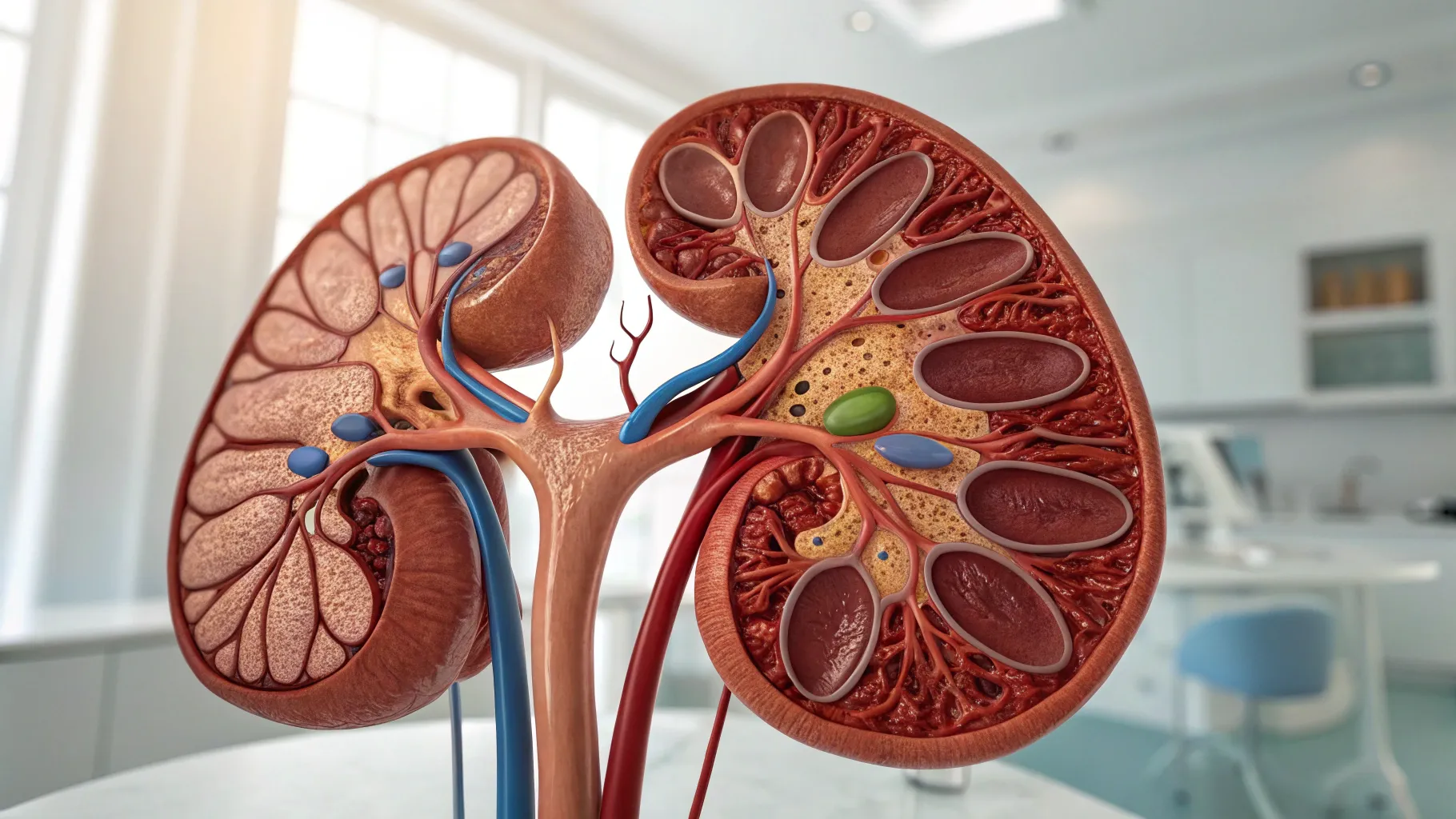
Understanding Chronic Kidney Disease Early Signs and Management Strategies
Chronic Kidney Disease (CKD) is a growing health concern affecting millions of adults around the world today. It’s essential to recognize the early signs of CKD, as timely intervention can lead to better health outcomes and improved quality of life. This article serves to equip you with the knowledge needed to identify these signs, understand how kidney disease impacts overall health, and explore effective management strategies.
Learn About Early Signs of Chronic Kidney Disease
The early indicators of CKD are often subtle, making it easy to overlook them. Being vigilant about these symptoms can make a world of difference. Here are some common early signs to watch for:
- Fatigue: Persistent tiredness or a general feeling of weakness can signal underlying kidney issues.
- Swelling: Fluid retention, especially in your legs, ankles, or feet, may indicate that your kidneys are not filtering fluids effectively.
- Changes in Urination: Look for alterations in the frequency or color of your urine. Dark or foamy urine can suggest protein leakage.
- Shortness of Breath: Difficulty breathing can arise from fluid accumulation in the lungs, a complication of kidney failure.
- High Blood Pressure: Since kidneys play a crucial role in regulating blood pressure, any dysfunction can trigger hypertension.
While these symptoms may seem minor on their own, they could be early signs of CKD, especially if they persist. Recent studies indicate that approximately 37 million adults in the United States are living with CKD, yet many remain undetected because individuals often do not connect these symptoms with kidney health.
Understanding How Chronic Kidney Disease Affects the Body
Our kidneys are vital organs that filter waste products from the blood, regulate electrolytes, and maintain fluid balance in the body. When CKD progresses, it can negatively impact various bodily systems. Consider the following effects:
- Cardiovascular Health: CKD is closely linked to cardiovascular issues. Patients with CKD often face a heightened risk of heart attacks and strokes, with data revealing that half of all CKD patients die from heart disease.
- Bone Health: The kidneys are essential in maintaining calcium and phosphate balance. An imbalance can lead to significant bone disorders, with studies showing that over 60% of CKD patients suffer from related musculoskeletal issues.
- Immune System Function: CKD patients often show a weakened immune response, with recent reports indicating that individuals with CKD have a 25% higher infection rate than those with healthy kidneys.
Understanding these interconnected effects underlines the critical importance of being aware of early signs of kidney dysfunction and emphasizes the need for regular health check-ups.
Information on Kidney Function and Health Management
Monitoring kidney function is essential for effective CKD management. Healthcare providers typically measure kidney health using the estimated glomerular filtration rate (eGFR), which is calculated from serum creatinine levels, age, gender, and race. An eGFR reading below 60 mL/min sustained over three months indicates CKD. Regular monitoring, including kidney function tests and urine analysis, can facilitate timely interventions that slow disease progression, reducing the risk of advancing to end-stage renal disease.
Managing CKD effectively requires lifestyle modifications that can significantly impact renal health. A kidney-friendly diet can make a notable difference. Incorporate these dietary suggestions:
- Fruits and vegetables low in potassium, such as apples, berries, and green beans.
- Lean proteins including chicken and fish, while limiting red meat intake.
- Whole grains that are gentle on the kidneys, like oats and quinoa.
Additionally, meticulous management of conditions such as diabetes and hypertension is paramount, as they are common CKD causatives. Current statistics reveal that about 90% of individuals with diabetes experience some level of kidney impairment.
Ways to Help Prevent Kidney Damage Safely
Preventing kidney damage requires a comprehensive approach toward health. Here are several practical strategies to consider:
- Stay Hydrated: Drinking adequate amounts of water is crucial for helping your kidneys efficiently process waste.
- Limit NSAID Use: Overusing nonsteroidal anti-inflammatory drugs can place undue strain on the kidneys, so reserve them for necessary instances.
- Avoid Excessive Alcohol and Smoking: Both behaviors exacerbate kidney issues; in fact, smoking might increase your risk of CKD by 35% according to recent reports.
- Regular Exercise: Engaging in physical activity helps maintain a healthy weight and manage blood pressure, both of which are vital for kidney health.
Furthermore, it's advisable to schedule routine health check-ups that include kidney function tests, especially for those who belong to high-risk categories such as individuals with a family history of kidney disease, diabetes, or heart conditions. Proactively managing your health can significantly mitigate the risks associated with CKD.
How Doctors Diagnose and Monitor Chronic Kidney Disease
The diagnosis of CKD involves a combination of medical history assessment, physical examinations, and specific diagnostic tests. Among the most common are:
- Blood Tests: These tests identify elevated creatinine levels and are used to calculate eGFR.
- Urinalysis: This test looks for the presence of abnormal substances, like protein or blood, indicating kidney dysfunction.
- Imaging Tests: Occasionally, ultrasounds or computerized tomography (CT) scans may be conducted to visualize the kidneys and check for abnormalities.
Once diagnosed, consistent monitoring is critical. Wearable technology is becoming increasingly relevant in this context, with devices that track vital signs and kidney health indicators in real-time, facilitating timely interventions when needed. As technology continues to evolve, it enhances the ability of healthcare providers and patients alike to manage CKD proactively.
In understanding CKD, its effects, and the means to detect and manage it productively, we can become better equipped to promote our health and well-being. Being proactive is not just beneficial—it's vital for slowing down the progression of kidney disease and maintaining a healthy lifestyle.