Chicken Soup for Cold and Cough: The Ultimate Winter Comfort Meal
Facts:
- Chicken soup may contain anti-inflammatory properties.
- A growing trend for comfort soup cold season is using bone broth.
The Science and Soul of a Healing Broth
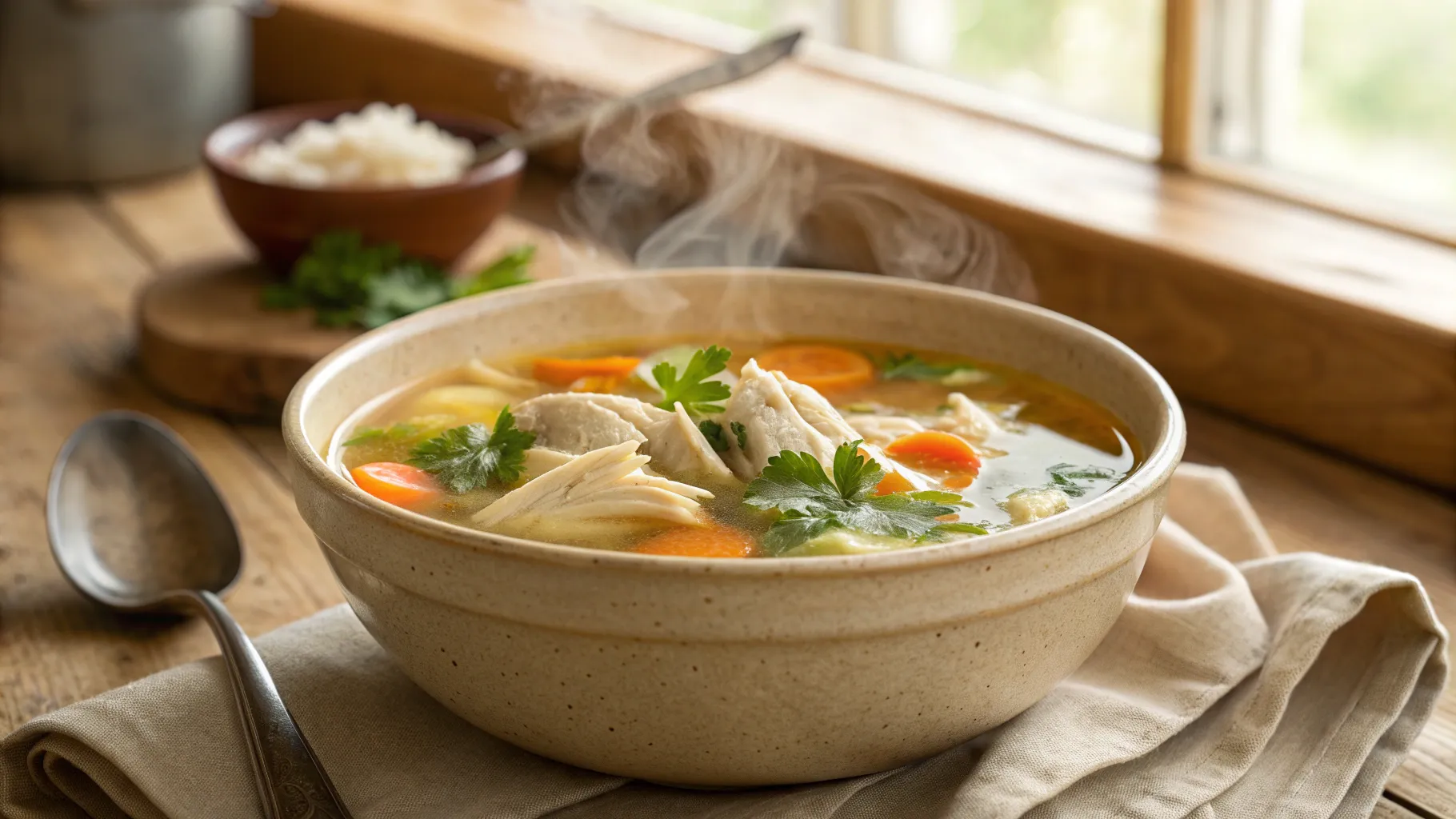
For generations, a steaming bowl of chicken soup has been the go-to remedy for battling sickness, and for good reason. It's more than just a myth; this beloved dish offers tangible benefits when you're feeling unwell. A well-made chicken soup cold cough remedy provides hydration, nutrients, and warmth, all crucial for recovery. The steam can help clear nasal passages, while the broth itself is packed with electrolytes and vitamins that your body craves. This makes it one of the most effective and comforting seasonal chicken soup meals you can prepare.
Why Warm Chicken Soup is a Winter Essential
When the temperature drops, our bodies become more susceptible to colds and flu. A bowl of warm chicken soup winter is not just comforting; it's a strategic part of your winter wellness toolkit. The heat from the soup provides immediate relief to a sore throat and can induce a feeling of warmth that combats chills. Furthermore, a proper chicken soup cold cough recipe is easily digestible, ensuring your body doesn't expend excess energy on digestion when it should be fighting off infection. This makes it an ideal meal for anyone feeling weak or with a low appetite during the colder months. It truly is the ultimate comfort soup cold season dish.
Crafting the Perfect Seasonal Chicken Soup Meals
The key to a powerful soup lies in its ingredients. Creating effective seasonal chicken soup meals involves more than just opening a can. Start with a high-quality whole chicken or bone-in pieces to create a rich, nutrient-dense broth. This process extracts collagen, gelatin, and minerals from the bones, which are vital for immune support. Incorporate classic vegetables like carrots, celery, and onions, known as mirepoix, which add not only flavor but also essential vitamins like A and C. Don't be afraid to add other seasonal vegetables to boost the nutritional profile. These thoughtful additions transform a simple dish into one of the most restorative chicken soup winter meals.
Key Ingredients and Their Healing Properties
Each component of a classic chicken soup cold cough recipe plays a specific role in recovery. The chicken itself provides lean protein, which is essential for repairing tissues and building antibodies. The broth offers superior hydration, flushing out toxins and replenishing fluids lost during a fever. Carrots are packed with beta-carotene, an antioxidant that the body converts to vitamin A, crucial for immune function. Celery and parsley provide flavonoids and antioxidants, while onions contain compounds that have anti-inflammatory and antibacterial effects. Garlic and ginger, often added for extra potency, are renowned for their powerful immune-boosting properties, making any warm chicken soup winter even more effective.
Tips for Maximizing Your Soup's Potency
To get the most out of your chicken soup winter meals, consider these actionable tips. A few simple steps can elevate your soup from merely comforting to truly medicinal. Follow this advice to create the best comfort soup cold season remedy in your own kitchen.
- Use Bone-In Chicken: Always opt for bone-in chicken. The bones, cartilage, and connective tissues release collagen, gelatin, and amino acids like glycine and proline into the broth, which are excellent for gut health and reducing inflammation.
- Add a Splash of Vinegar: Adding a tablespoon of apple cider vinegar to your pot while making the broth helps draw more minerals out of the bones, enriching your soup significantly.
- Incorporate Anti-Inflammatory Spices: Don't shy away from herbs and spices. Turmeric, ginger, and garlic are powerhouses of anti-inflammatory and antimicrobial properties. Add them generously to your seasonal chicken soup meals.
- Slow Simmer is Key: Do not boil the broth aggressively. A long, slow simmer for several hours (at least 2-3) is crucial for extracting all the nutrients and developing a deep, rich flavor profile perfect for a warm chicken soup winter.
- Load Up on Greens: Just before serving, stir in a handful of leafy greens like spinach or kale. They wilt quickly and add a final boost of vitamins and minerals without becoming overcooked.
Frequently Asked Questions
Is canned chicken soup good for a cold cough?
While canned soup is convenient, it often lacks the potent nutrients of a homemade version and can be very high in sodium. Homemade chicken soup cold cough is far superior because you control the quality of the ingredients, ensuring a richer broth with more vitamins, minerals, and collagen. For a true healing meal, homemade is always the best choice.
How often should I eat warm chicken soup in winter?
Enjoying warm chicken soup winter one or two times a week can be a great preventative measure to support your immune system during the colder months. When you are actively sick, consuming it daily can provide the hydration and nutrients needed for a quicker recovery. It's a versatile dish that fits perfectly into any rotation of chicken soup winter meals.
What makes chicken soup a comfort food for the cold season?
The association of chicken soup with comfort is both psychological and physiological. The warmth, savory aroma, and easily digestible nature provide physical relief. Psychologically, it often evokes memories of being cared for during childhood illnesses, making it the quintessential comfort soup cold season meal that soothes both body and soul.
References
- A study on chicken soup and symptomatic relief from the common cold.
- Nutritional analysis of bone broth in traditional diets.
- The role of hydration and electrolytes in illness recovery.