Understanding Causes and Treatments for Urine Leaks
Understanding Urine Leaks: A Comprehensive Guide
Urinary incontinence, commonly known as urine leaks, is a pressing public health issue that affects a significant number of people, especially among the elderly population. Recent studies indicate that roughly 30% of adults over the age of 65 experience some form of urine leakage. This condition can range from occasional leaks during physical activities, including sneezing, laughing, or exercising, to complete loss of bladder control. Such prevalent statistics underscore the urgent need for greater awareness about the causes and available treatment options for urinary incontinence.
Common Causes of Urinary Incontinence
Understanding the root causes of urine leaks is essential for effective management. One prevalent cause is stress incontinence. This type results from the weakening of pelvic floor muscles, often due to age, childbirth, or hormonal changes. Activities that exert pressure on the bladder—including coughing, laughter, or physical exertion—can trigger involuntary leakage.
Another type, urge incontinence, is characterized by an intense, uncontrollable urge to urinate, often coupled with involuntary leakage. This type of incontinence can occasionally stem from conditions such as bladder infections known as urinary tract infections (UTIs), which create urgency and increase the frequency of urination. Factors such as epilepsy, multiple sclerosis, and Parkinson's disease can also contribute to incontinence, disrupting normal bladder function.
In men, issues related to prostate health can lead to complications, including urinary obstruction, which may exacerbate incontinence challenges. Various medications, particularly diuretics used for heart conditions and high blood pressure, can further complicate bladder management by increasing urine production.
- Weakness of pelvic muscles due to aging or childbirth.
- Neurological disorders affecting bladder control.
- Urinary tract infections causing urgent needs.
- Medications that may exacerbate urgency or frequency.
- Prostate enlargement obstructing urinary flow in men.
Urinary Incontinence in Seniors: A Growing Concern
Urinary incontinence is especially prevalent among seniors, significantly impacting their quality of life. Research from earlier this year shows that more than 50% of seniors over 80 report some degree of urinary incontinence. This reality often results in embarrassment and social withdrawal, making it a hidden epidemic within our communities. Many individuals may fear judgment from friends and family or feel unsure about discussing their condition with healthcare providers, ultimately leading to a cycle of isolation.
Physical changes associated with aging—like hormonal fluctuations, decreased bladder capacity, and weakened pelvic muscles—exacerbate the issue. Moreover, seniors frequently take medications that may unwittingly contribute to incontinence. Recent findings advocate for solutions such as pelvic therapy and bladder training exercises, which have proven beneficial; participants in a recent study showcased improved symptoms and felt more in control of their conditions.
Case studies conducted over the last six months highlight the positive shifts in independence and self-confidence observed in seniors who actively engage in bladder training or pelvic floor exercises. Reports indicate that regular practice of these exercises leads to symptom improvement in over 30% of participants. This positive experience can significantly enhance one's dignity and quality of life, empowering seniors to take charge of their health.
Treatment Options for Urine Leakage
Successfully addressing urine leakage involves several treatment pathways, often tailored to the individual's experiences and needs. These options include:
- Behavioral Treatments: Strategies such as bladder training involve setting a schedule for urination, allowing individuals to develop better control over their bladders. Pelvic floor exercises (Kegel exercises) also lead to muscle strengthening. Professionals suggest improvement can often be seen within six to eight weeks of practice.
- Medications: Several pharmacological options are currently available to help manage urge incontinence. Medications such as anticholinergics are commonly prescribed to assist in controlling bladder contractions and reducing urgency.
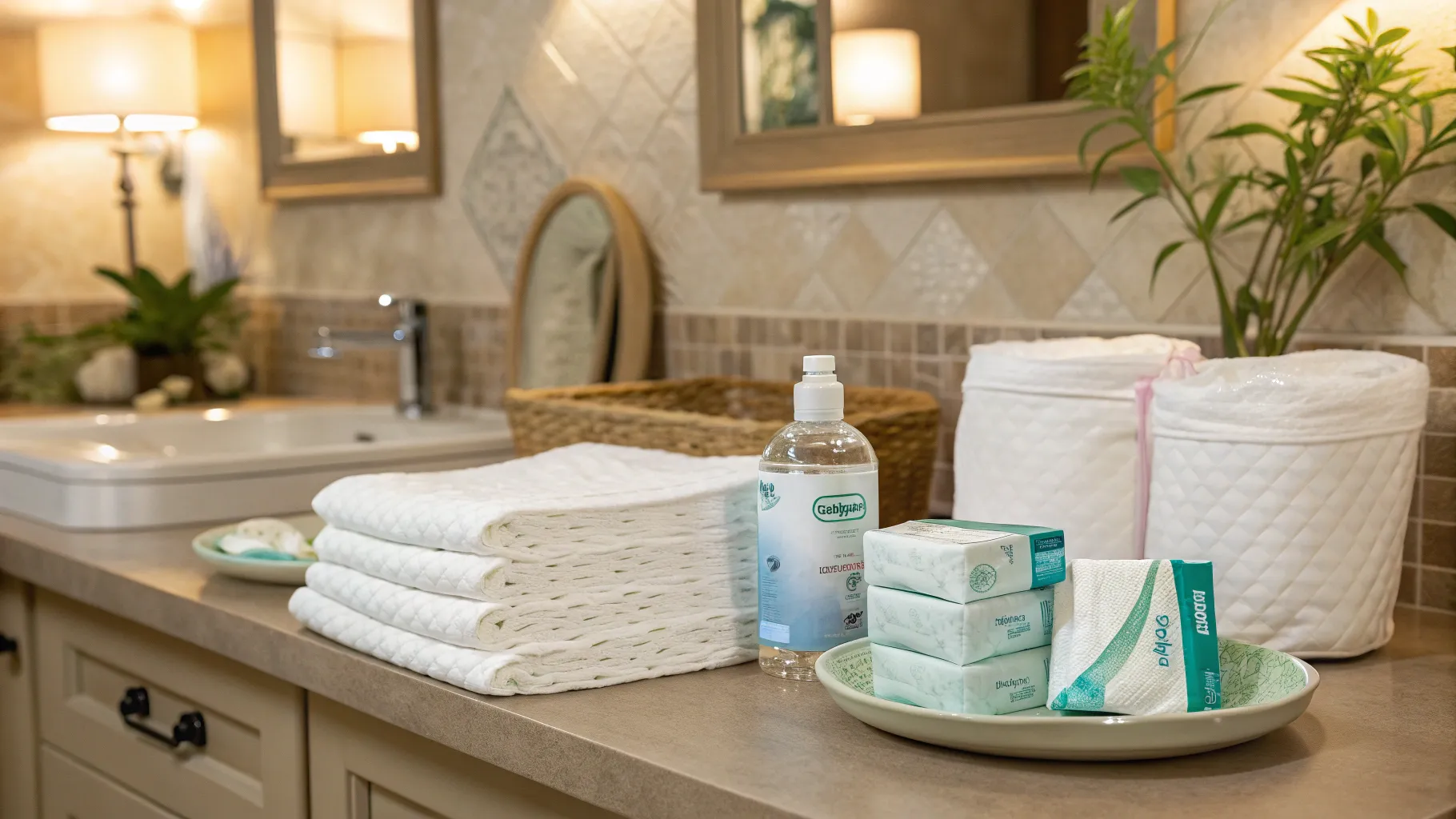
- Device Solutions: Latest innovations in absorbent products have greatly improved their effectiveness and comfort. From discreet pads to wearable devices designed to prevent leaks, users can maintain their confidence during social interactions.
- Surgical Options: For those who find conservative treatments insufficient, surgical interventions like sling procedures provide additional support to the bladder neck, offering substantial relief from stress incontinence.
Open communication with healthcare providers about personal experiences ensures treatment reflects individual needs and preferences. Concurrently, preventive measures that focus on lifestyle adjustments can serve a valuable role in managing symptoms effectively.
Managing Urine Leakage: Practical Strategies
For those living with urinary incontinence, incorporating lifestyle changes can greatly enhance day-to-day comfort and dignity. Here are several practical strategies:
- Fluid Management: While staying hydrated is crucial, moderating fluid intake—particularly before bedtime—can help minimize nocturnal urination.
- Dietary Modifications: Avoiding potential irritants in the diet, including caffeine, alcohol, and spicy foods, can assist in alleviating incontinence symptoms.
- Timed Voiding: Establishing designated bathroom breaks helps train the bladder to hold urine over longer intervals.
- Suggesting Absorbent Products: Utilizing high-quality absorbent pads ensures comfort during social engagements while instilling a sense of security for the user.
Participating in community support networks is equally important. Whether through local centers or online forums, sharing experiences with others in similar situations can foster emotional support, alleviate feelings of shame, and provide useful coping strategies. As awareness rises and education about incontinence expands, many individuals suffering from this condition are likely to find effective treatments and supportive pathways, enabling them to reclaim control over their lives.