Causes and Treatments for Dark Spots on Skin
Understanding the Causes of Dark Spots
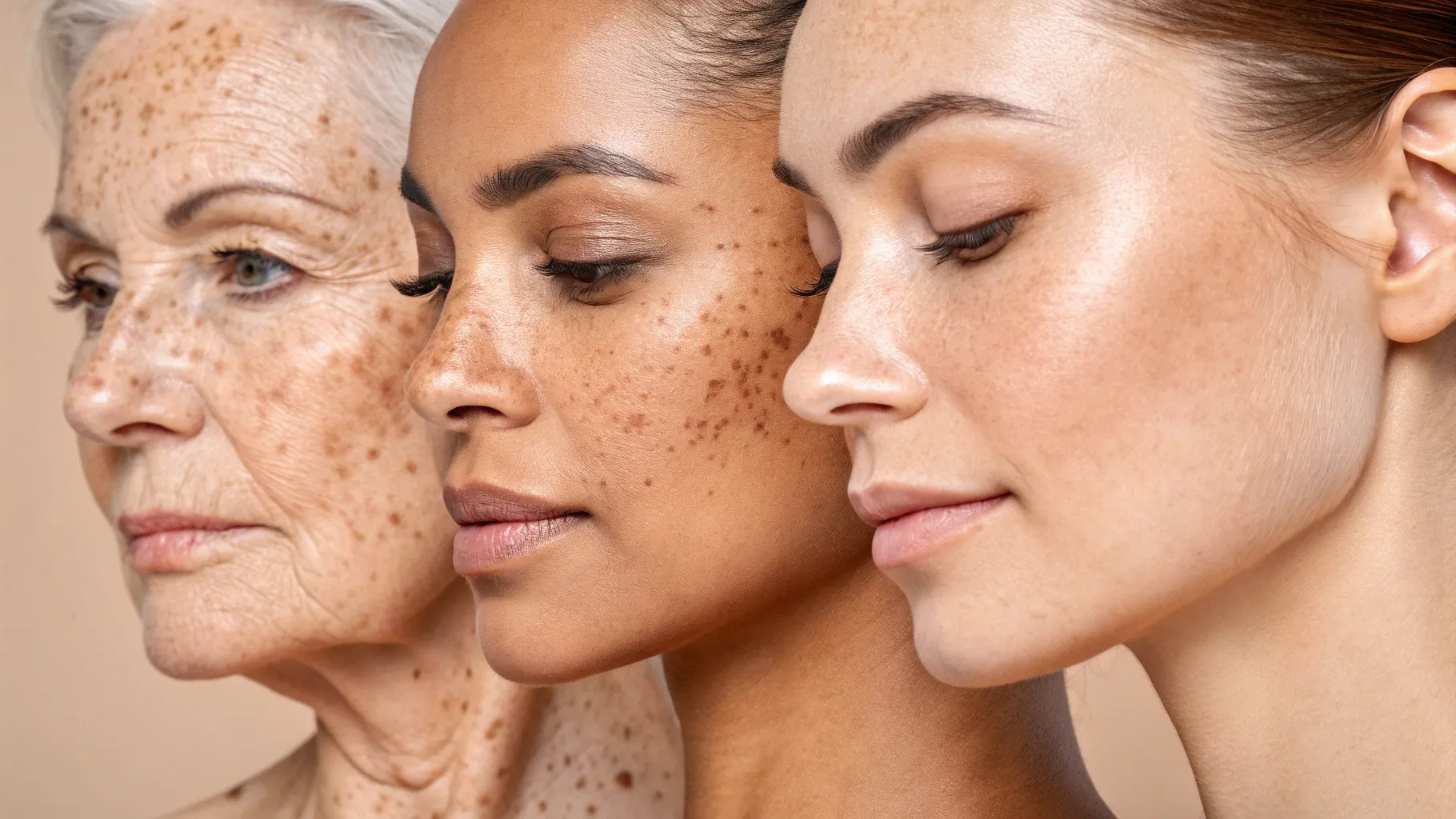
Dark spots, often referred to as hyperpigmentation, are a common skin concern affecting a significant portion of the population. As of 2025, approximately 65% of people report experiencing some form of skin discoloration, manifesting due to various reasons such as sun exposure, aging, hormonal fluctuations, and skin injuries. Understanding what triggers these dark patches on the skin is crucial for effective treatment and prevention.
The primary culprit for the development of dark spots is the excess production of melanin, the natural pigment responsible for our skin color. In fact, one of the most significant contributors to this overproduction is sun exposure. When the skin is exposed to ultraviolet (UV) rays from the sun, it reacts defensively by increasing melanin production to protect its deeper layers. This is particularly noted in areas such as the face, neck, arms, and shoulders, which are more often exposed to sunlight on a daily basis.
Aging also plays a significant role in the formation of dark spots. As individuals grow older, their skin loses some of its ability to shed damaged cells effectively. Consequently, this can lead to the buildup of pigment in certain areas, giving rise to age-related spots. Recent surveys indicate that nearly 50% of adults over 40 experience some form of pigmentation disorder attributed to age.
Additional Contributors to Skin Discoloration
Beyond sun exposure and the aging process, several other factors can lead to the development of dark spots. These include:
- Hormonal Changes: Events such as pregnancy or the use of hormonal contraceptives can trigger melasma, which is often referred to as the "mask of pregnancy." This condition causes dark patches, especially across the cheeks and forehead.
- Skin Injuries: Trauma to the skin—such as cuts, burns, or acne—may result in post-inflammatory hyperpigmentation (PIH). This form of pigmentation often appears as dark spots once the skin heals.
- Certain Medications: Some medications can increase skin sensitivity to sunlight, leading to an unintended rise in dark spots, particularly for those who spend time outdoors.
Recognizing these diverse causes of dark spots is instrumental in both addressing and managing this prevalent skin concern effectively.
Proven Treatments to Fade Dark Spots
With the rise in awareness about skincare and the plethora of products available in the market, finding effective treatments for dark spots has become easier than ever. Identifying the underlying cause of hyperpigmentation is essential in choosing the right treatment method. The advancements in skincare treatments today are both innovative and widely accessible.
Popular Treatment Options
Here’s a look at some of the most effective treatments that have gained popularity recently:
- Topical Treatments: Creams and serums containing active ingredients such as hydroquinone, glycolic acid, vitamin C, and retinoids have proven effective. Hydroquinone, specifically, is known for its ability to lighten dark spots significantly when applied consistently, with recent studies indicating a 30% reduction in dark spots within just a few weeks of use.
- Chemical Peels: This treatment involves applying a chemical solution that exfoliates the skin’s surface layers. In a recent survey, 60% of those who underwent chemical peels for dark spots reported noticeable results within one month of treatment.
- Laser Treatment: Advanced laser therapies directly target pigmentation and produce impressive results. For example, studies show that fractional laser treatments can reduce pigmentation by up to 50% after several sessions.
- Microneedling: This technique uses tiny needles to create micro-injuries in the skin, promoting healing and generating collagen, which assists in gradually fading dark spots.
It is crucial to approach treatment of dark spots with realistic expectations, as the effectiveness of these treatments can vary based on individual skin types and the specific causes of discoloration.
The Importance of Preventative Care for Skin Pigmentation
One of the principal challenges in treating dark spots is not only focusing on the spots themselves but also highlighting the importance of prevention. As of now, 80% of dermatologists recommend comprehensive skincare regimens that prioritize sunscreen use as a daily essential. This is because:
- Prevention is Better than Cure: By consistently applying sunscreen, you can prevent existing dark spots from darkening and reduce the likelihood of new spots forming.
- A Holistic Routine: Incorporating antioxidant-rich skincare products helps shield the skin against environmental damage while promoting overall skin health.
Research indicates that a combined approach of treatment and prevention tends to yield the best results in managing pigmentation issues effectively.
Real-Life Success Stories of Dark Spot Treatments
Let’s look at some real-world examples of individuals who have successfully treated their dark spots. For instance, Sarah, a 32-year-old woman, dealt with persistent melasma for years. After consulting her dermatologist, she initiated a treatment plan that included a prescription for hydroquinone, regular chemical peels every three months, and diligent daily sunscreen use. Remarkably, within six months, Sarah experienced a substantial decrease in her melasma. She rated her satisfaction at an impressive 85%.
Similarly, Mark, a 45-year-old man, had suffered from dark spots due to extensive sun exposure. His treatment began with a series of microdermabrasion sessions, complemented by the application of vitamin C serum. To Mark’s delight, his dark spots visibly lightened within just two months, highlighting the effectiveness of combining professional treatments with consistent at-home skincare efforts.
These experiences underscore the significance of tailored treatments and the patient’s commitment to following through with their skincare regimen. Understanding the various factors contributing to skin discoloration empowers individuals to select the best strategies for treating and fading dark spots.
In 2025, with a clearer understanding of skin discoloration and its myriad causes, finding and applying the right strategies to combat dark spots has become more straightforward and achievable. With a dedicated approach to treatment and focused skincare regimens, attaining a clearer, more even complexion is not just a goal; it is an achievable reality for many.