Causes and Treatments for Dark Spots on Your Skin
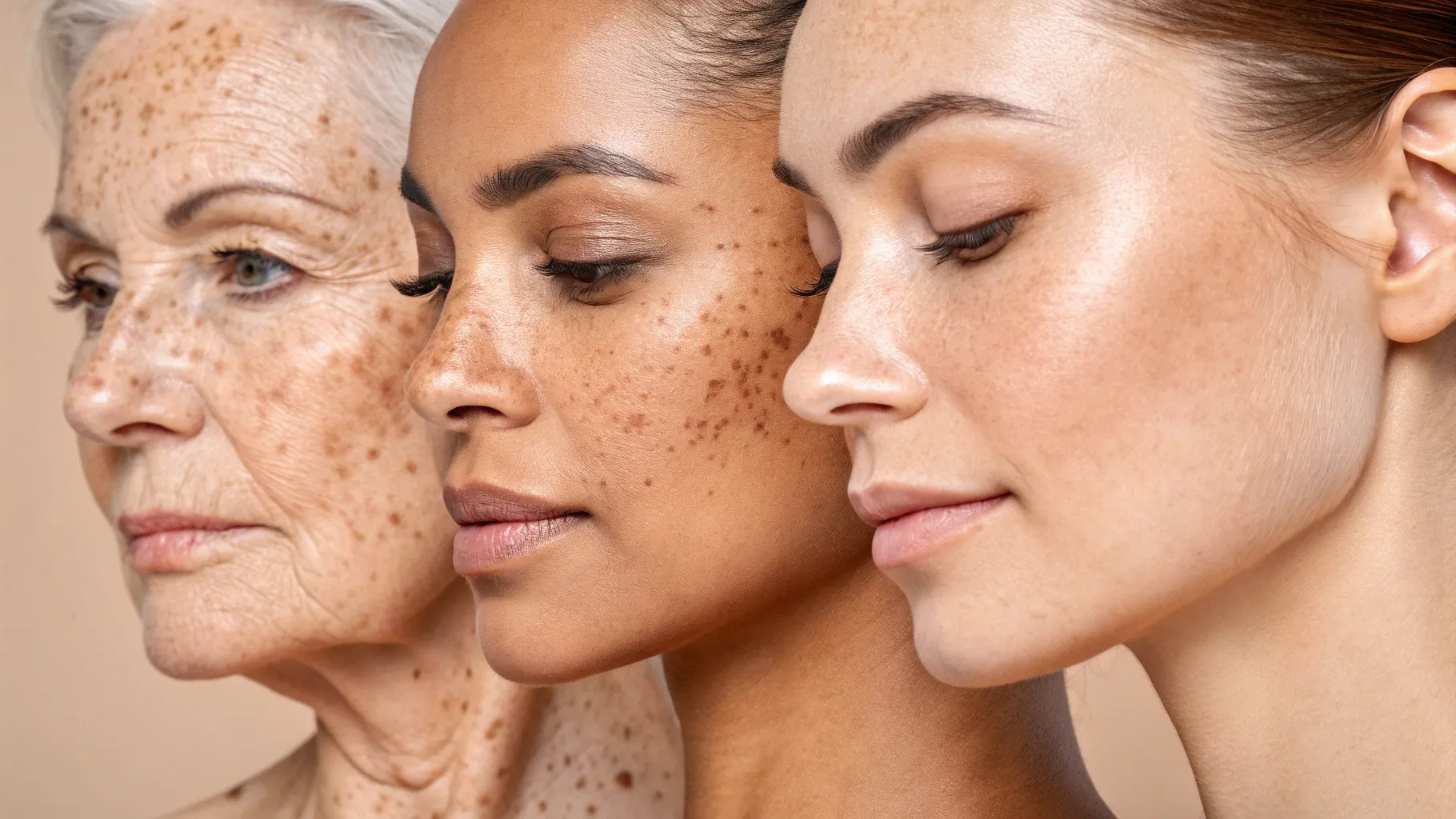
Understanding the Causes of Dark Spots
Dark spots, commonly known as hyperpigmentation, affect individuals worldwide, making them a prevalent skincare concern in 2025. These discolorations can result from various factors, and understanding their origins is essential for effective treatment. From excessive sun exposure to hormonal changes, numerous elements contribute to the development of dark spots on our skin.
Sun Exposure as a Primary Culprit
Perhaps the most significant cause of dark spots is excessive sun exposure. The UVA and UVB rays from the sun stimulate an increase in melanin production as your skin attempts to shield itself from damage. Recent studies reveal that nearly 90% of hyperpigmentation cases can be traced back to sun damage. Over time, repeated exposure results in dark spots, especially in areas frequently basked in sunlight, such as the face, arms, and hands. In fact, a recent survey revealed that individuals who neglect sun protection are 50% more likely to experience these unattractive blemishes.
Hormonal Changes and Other Factors
Hormonal fluctuations play a significant role in the emergence of dark spots, particularly for women. Conditions like melasma, which causes brown or gray-brown patches, often worsen during pregnancy or with birth control pill use. Additionally, aging is another contributor; as we age, our skin's self-repair mechanisms decline, leading to a rise in dark spots. This is evident as many people in their 30s and 40s notice increased discoloration. Other contributors include:
- Post-inflammatory hyperpigmentation: This occurs after skin injuries or bouts of acne, leaving dark marks on the skin.
- Medications: Certain medications can heighten sensitivity to sunlight, which may exacerbate dark spots.
- Genetics: Some individuals may have a genetic predisposition that makes them more susceptible to developing dark spots.
Recognizing these factors can empower individuals to take proactive measures against skin discoloration.
Exploring Effective Dark Spot Treatments
Once you ascertain the underlying causes behind your dark spots, it’s essential to delve into available treatments. Thankfully, the market offers a wide array of options tailored to diverse skin types, preferences, and budgets.
Topical Treatments
Topical creams and serums are usually the first line of defense for tackling dark spots. When choosing products, look for effective ingredients such as:
- Hydroquinone: This potent skin-lightening agent works to inhibit melanin production, reducing the visibility of dark spots.
- Retinoids: Renowned for their anti-aging properties, retinoids promote skin cell turnover and are effective in fading dark spots.
- Vitamin C: This antioxidant is vital for brightening skin and minimizing discoloration.
- Azelaic acid: This ingredient reduces inflammation and promotes skin renewal, making it useful for both pigmentation issues and acne.
Users should bear in mind that consistency is crucial; most treatments necessitate prolonged application to yield results. Expect to see noticeable changes within several weeks, so patience is vital.
Professional Treatments
For more stubborn dark spots, professional treatments may be the key. Recent advancements in dermatological procedures make these options more accessible and effective than ever, offering alternatives for those who need stronger solutions:
- Laser Therapy: Targeted laser treatments break down melanin, promoting skin renewal and reducing dark spots.
- Chemical Peels: These utilize specific acids to exfoliate the outer skin layers, revealing clearer skin beneath.
- Microdermabrasion: This non-invasive procedure gently exfoliates the skin, improving its overall texture and tone.
These treatments cater to those seeking immediate and profound results, though they often come at a higher price point.
Natural Remedies
In the current trend of holistic skincare, many individuals are gravitating towards natural remedies for treating dark spots. Here are some popular home remedies to consider:
- Lemon Juice: Due to its natural bleaching properties, lemon juice can lighten dark spots when applied regularly.
- Aloe Vera: With its soothing properties, aloe not only hydrates but can also help reduce hyperpigmentation.
- Green Tea Extract: Packed with antioxidants, this extract can assist in diminishing skin discoloration effectively.
While natural remedies may take longer to show results, they are a popular choice for those seeking gentler options.
Preventive Measures
While treatments can significantly lighten dark spots, prevention is just as crucial. One of the best strategies to avoid new spots is to establish a robust sun protection routine. Here are key practices to adopt:
- Apply a broad-spectrum sunscreen with SPF 30 or higher daily, even on cloudy days.
- Don protective clothing, including wide-brimmed hats and sunglasses with UV protection.
- Avoid direct sunlight during peak hours, generally from 10 AM to 4 PM.
A proactive skincare regimen that nourishes and hydrates the skin can also mitigate the worsening of existing dark spots. By being diligent about sun safety and maintaining a healthy skincare routine, you can keep your skin looking its best.
Understanding Skin Discoloration Year-Round
In an era of heightened awareness about skincare, individuals are more informed about the importance of addressing uneven skin tone. Recent studies indicate a significant rise in people seeking tailored skincare solutions. A focus on a balanced diet rich in vitamins, staying hydrated, and regular exercise can also contribute to healthier skin, aiding the fight against dark spots from within.
Moreover, understanding your unique skin type is essential for selecting the most effective treatments. Consulting a dermatologist remains a valuable step toward creating a personalized plan that caters to your skin's specific needs. This increased personalization in skincare helps to incorporate the lifestyle factors influencing skin health.
Ultimately, by comprehensively understanding the causes of dark spots and exploring the myriad of treatments available, you can achieve clearer, healthier skin. Regular consultations with skincare professionals reaffirm that dark spots do not dictate beauty; rather, it is the care and attention you dedicate to your skin that truly illuminates your natural beauty.