Causes and Treatments for Dark Spots on Skin
Understanding Causes and Treatments for Dark Spots
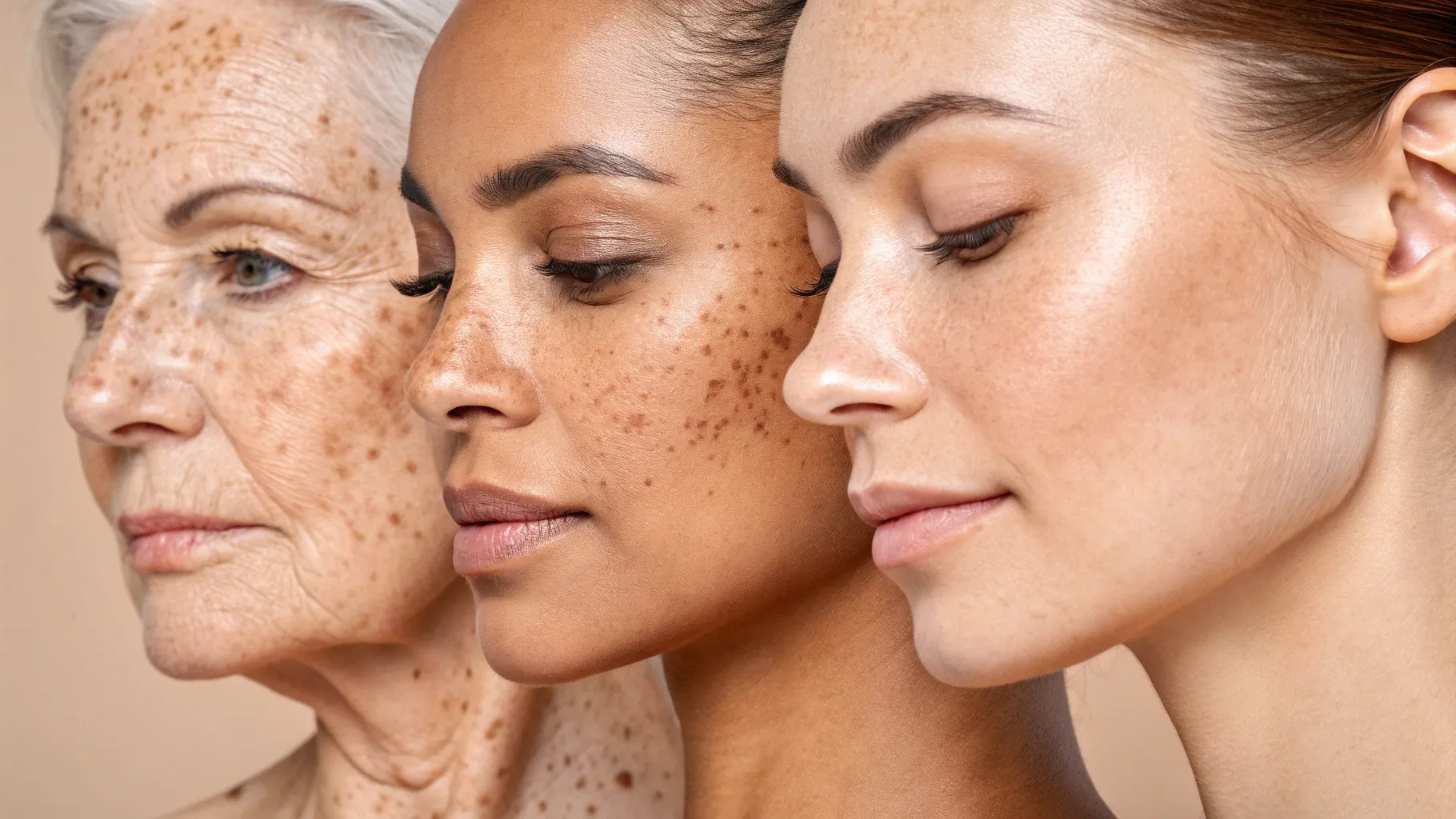
Dark spots, often referred to as hyperpigmentation, have become a prevalent concern in the realm of skincare, affecting individuals across various demographics. As we navigate the landscape of skin health in 2025, it is crucial to unpack the underlying causes of these pesky blemishes and explore the wide array of treatments available to diminish their appearance. In this article, we aim to provide a comprehensive perspective on skin discoloration, offering insights that can empower you to take control of your skin’s health.
What Causes Dark Spots?
Understanding the root causes of dark spots is vital for addressing them effectively. Several factors contribute to the emergence of hyperpigmentation, including:
- Sun Exposure: Prolonged exposure to UV rays is a major player in the formation of dark spots. Studies indicate that approximately 90% of skin aging is due to sun damage, leading to increased melanin production and noticeable pigmentation issues. In 2025, dermatologists emphasize the importance of daily sunscreen use to prevent further discoloration.
- Hormonal Changes: Hormone fluctuations can dramatically affect skin pigmentation, particularly during pregnancy, menopause, or while using hormonal contraceptives. Research from the latter half of 2024 highlighted that nearly 50% of pregnant women reported experiencing symptoms of melasma, the condition often characterized by dark, patchy skin.
- Aging: Aging naturally slows down skin cell turnover, which can cause dead skin cells and uneven pigmentation to accumulate, leading to the development of dark patches.
- Skin Irritation: Trauma to the skin from irritation, acne, or aggressive beauty treatments can trigger post-inflammatory hyperpigmentation, where dark spots emerge following the injury. Proper care and gentler treatments can help mitigate this risk.
- Genetics: Your family history could influence your likelihood of developing dark spots. If close relatives have dealt with hyperpigmentation, you may be more prone to it as well.
The emergence of dark spots can occur anywhere on the body, but they are most commonly found on the face, shoulders, and backs of the hands—areas that frequently face sun exposure.
Effective Treatments for Dark Spots
The good news is that numerous effective treatments are available to help reduce the appearance of dark spots. From over-the-counter products to professional dermatological interventions, options abound:
- Topical Treatments:
- Hydroquinone: As a widely recommended treatment for hyperpigmentation, hydroquinone works by inhibiting melanin production, effectively lightening dark spots. However, it is crucial to consult with a dermatologist for guidance on appropriate usage.
- Retinoids: Formulations with retinoids promote skin cell turnover and can gradually reduce the visibility of dark spots. In 2025, many newer retinoids are available that are gentler and better tolerated by sensitive skin.
- Vitamin C: With its powerful antioxidant properties, Vitamin C serums brighten the complexion and can yield visible results in reducing dark spots within weeks. Many users have reported improved skin tone and texture.
- Niacinamide: This form of Vitamin B3 is renowned for its skin-benefiting qualities, helping to diminish discoloration and enhance overall texture without causing irritation.
- Chemical Peels: Chemical peels involve applying a solution to exfoliate the outer layer of skin, revealing fresh, evenly pigmented skin underneath. In 2025, dermatologists often prefer milder chemical peels to minimize downtime for their patients.
- Laser Treatments: Advanced laser technologies can effectively target dark spots by breaking down excess melanin. Recent advancements have made these treatments faster, with reduced side effects and quicker recovery times.
- Microdermabrasion: This skin-resurfacing procedure gently exfoliates the outer layer of skin, contributing to the overall rejuvenation and reduction of dark spots.
- Natural Remedies: While some individuals may opt for natural approaches like lemon juice, aloe vera, or green tea, it's essential to note that these remedies often take longer to yield results and may vary in effectiveness.
Even with various treatment options available, combining these with preventive measures will lead to the best outcomes. Consistent use of a broad-spectrum, high-SPF sunscreen is essential to prevent the progression or re-emergence of dark spots. Additionally, maintaining a balanced diet rich in antioxidants can significantly support skin health.
Ongoing Skin Pigmentation Care
Caring for your skin is an ongoing process, especially in the face of issues like hyperpigmentation. Regular consultations with a dermatologist provide valuable opportunities to assess your skin’s condition and adapt treatments as needed. Here are several best practices to enhance your skincare regimen:
- Daily Sunscreen: Using sunscreen daily should be non-negotiable. Choose a broad-spectrum formula that protects against both UVA and UVB rays to shield your skin from sun-induced damage.
- Moisturization: Keep your skin hydrated to bolster its barrier function. Well-hydrated skin is less prone to irritation and pigmentation complications.
- Avoiding Tanning Beds: Tanning beds not only accelerate the aging process but also heighten the risk of developing dark spots.
- Consistent Skincare Routine: Establish a daily regimen that encompasses cleansing, treating, and moisturizing to maintain a healthy, luminous complexion.
By familiarizing yourself with the causes of dark spots and understanding the various treatments available, you can take proactive measures to ensure your skin remains healthy and vibrant. Always consult a skincare professional to develop a personalized action plan that addresses your unique skin needs. Your journey toward even-toned skin begins with informed choices and dedicated care!