Causes and Risk Factors of Heart Valve Disorders Explained
Understanding the Causes of Heart Valve Disorders
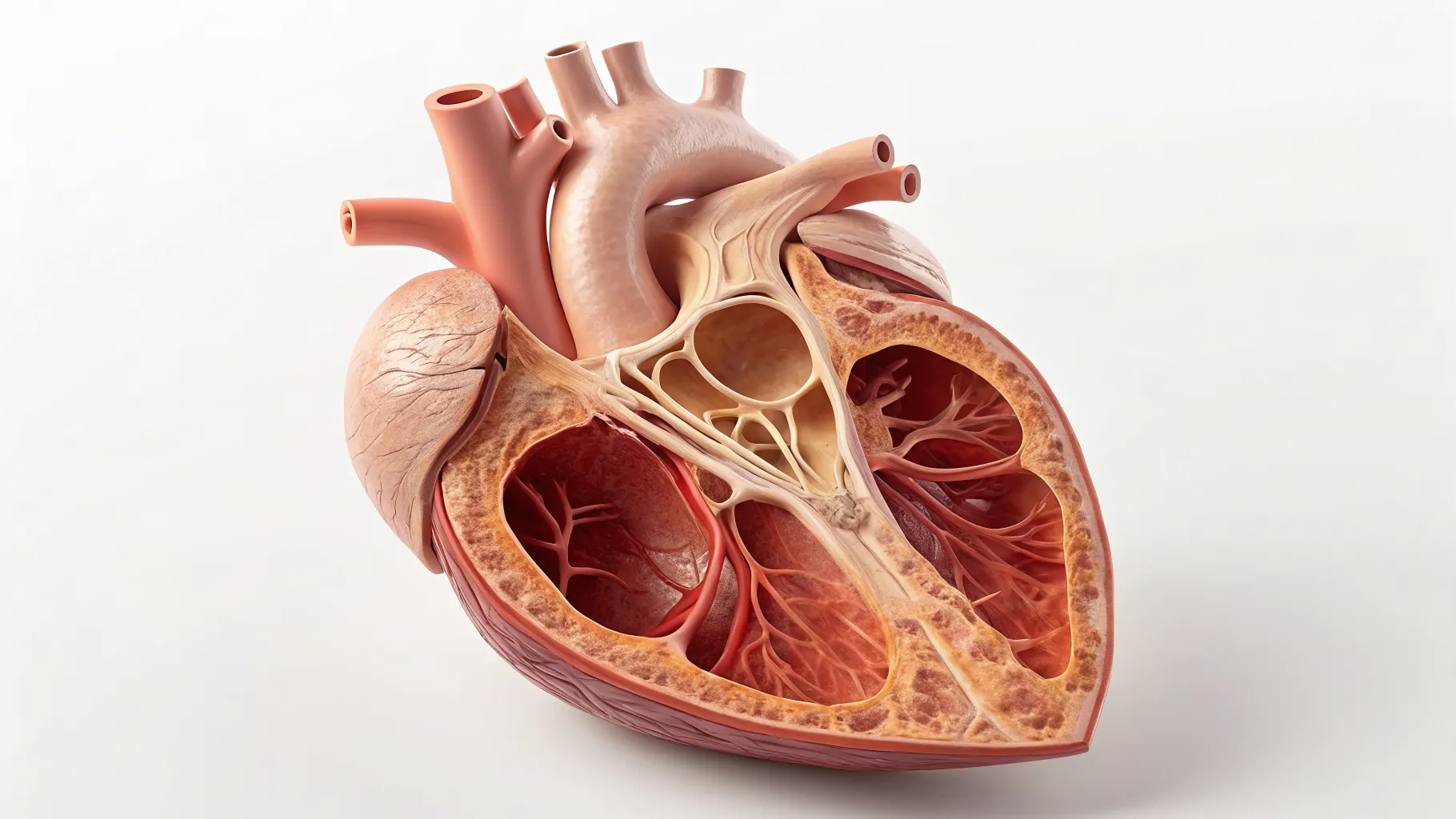
Heart valve disorders are a significant concern for many individuals, and understanding their causes is crucial for prevention and management. In 2025, heart valve diseases affect millions, leading to major cardiovascular issues. The heart consists of four valves: the aortic, mitral, tricuspid, and pulmonary valves. Each plays a vital role in ensuring unidirectional blood flow through the heart and to the rest of the body.
Heart valve disorders can arise from various factors, ranging from anatomical abnormalities to diseases that cause degeneration of the valves. Here, we will explore the primary causes of heart valve disorders and the associated risk factors.
The Leading Causes of Heart Valve Disorders
At the core of heart valve disorders are various causes that contribute to either stenosis (narrowing) or regurgitation (leakage) of the valves. Understanding these causes can help in early identification and treatment. Below are some common causes:
- Age-related Degenerative Changes: As people grow older, their heart valves can undergo degeneration due to wear and tear. This is particularly true for the aortic and mitral valves. The accumulation of calcium deposits can lead to aortic stenosis, affecting approximately 10% of those over 75.
- Rheumatic Fever: A consequence of untreated strep throat, rheumatic fever can cause inflammation of the heart valves. This can lead to long-term damage known as rheumatic heart disease, which affects millions globally, primarily in developing countries.
- Infective Endocarditis: An infection of the heart's inner lining can harm the valves, often seen in people with pre-existing heart conditions or weakened immune systems. This can be life-threatening if not addressed promptly.
- Congenital Heart Defects: Some individuals are born with heart valve defects, leading to conditions such as aortic stenosis or mitral valve prolapse. These congenital issues might remain asymptomatic for years but can eventually lead to significant health problems.
- Other Medical Conditions: Diabetes, high blood pressure, and hyperlipidemia increase the risk of heart valve disease due to their impact on overall cardiovascular health.
Recognizing these underlying causes helps in developing strategies for prevention and prompt treatment. However, individual genetics and lifestyle choices can also play critical roles in the development of these disorders.
Heart Valve Disorder Risk Factors
A variety of risk factors contribute to heart valve disorders, which can increase the likelihood of developing these conditions. Understanding these risk factors enables individuals to take proactive steps toward heart health. Some key risk factors include:
- Age: Age is a significant risk factor. As mentioned, age-related degeneration becomes prevalent typically after 70 years.
- Family History: Genetic predispositions can result in congenital heart defects or a tendency to develop valve diseases.
- Chronic Conditions: Conditions such as hypertension, diabetes, and high cholesterol can contribute to the deterioration of the heart valves.
- Unhealthy Lifestyle Choices: Smoking, excessive alcohol consumption, and lack of physical activity can heighten the risk of developing cardiovascular diseases, including heart valve disorders.
- Infectious Diseases: Certain infections, especially those affecting the heart, can lead to endocarditis and thus damage the valves. Good dental hygiene is essential since oral bacteria can enter the bloodstream and infect the heart.
Being aware of these risk factors is essential for prevention. Regular health check-ups and maintaining healthy lifestyle choices can be effective strategies to manage these risks.
Cardiovascular Conditions Explained
Heart valve disorders often coexist with other cardiovascular conditions, which can complicate diagnosis and treatment strategies. For instance, people who have heart failure often contend with valve disorders that can exacerbate their condition. Recent statistics indicate that over 50% of heart failure patients have some form of heart valve disease. Thus, understanding the interplay between these conditions is vital.
Moreover, the rise of heart valve disease awareness has led to improved information dissemination, aiding timely intervention. Educational programs have increased awareness of symptoms such as fatigue, shortness of breath, and heart palpitations that may signal potential valve issues.
Additionally, diagnostic technologies have advanced significantly. In 2025, echocardiograms and cardiac MRI are commonplace tools for healthcare providers. This advancement allows for accurate assessment of valve function and the timely identification of heart conditions. Such technologies not only facilitate early diagnosis but also guide treatment approaches, including medication and potential surgical interventions.
What Causes Heart Valve Problems?
In summary, heart valve problems can stem from various factors including degenerative changes associated with aging, infections, congenital defects, and chronic illnesses. By recognizing the systemic nature of cardiovascular health, individuals can be more vigilant about preventative measures.
Regular health assessments, lifestyle modifications, and management of existing health concerns are fundamental steps everyone should consider. The future suggests that as awareness and technology advance, the outcomes for individuals facing heart valve disorders will continue to improve, offering hope for effective management and enhanced quality of life.
Ultimately, understanding the causes of heart valve disorders allows individuals to make informed decisions about their health. This proactive approach not only emphasizes awareness but also promotes a culture of heart health, reducing the burden of heart valve diseases in our communities.