Causes of Nerve Pain in Legs Understanding Neuropathy
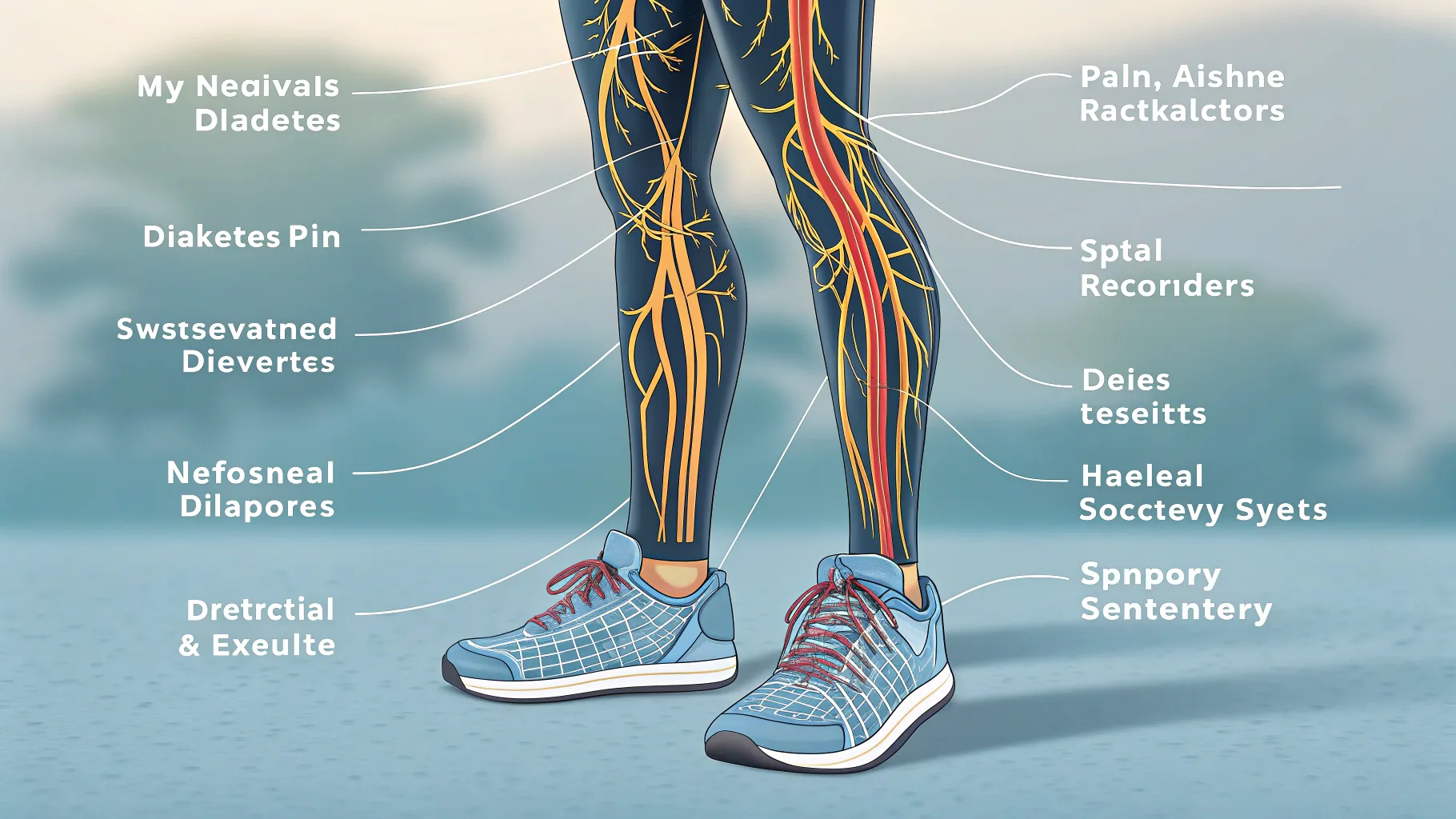
Understanding the Causes of Nerve Pain in Legs
Nerve pain in the legs, also referred to as neuropathy, can be a distressing condition that profoundly impacts an individual's quality of life. With the rise of sedentary lifestyles and an increasing number of chronic health conditions, understanding the causes of nerve pain in legs has become essential for effective prevention and management. This article explores the various factors contributing to leg nerve pain and provides insights on how to maintain healthy nerve function.
Common Causes Contributing to Leg Nerve Pain
Nerve pain in the legs can arise from an array of conditions, some of which might be unexpected. Here’s a closer look at some prevalent causes:
- Diabetes: This chronic condition is one of the most significant contributors to neuropathy globally. Diabetic neuropathy affects nearly 50% of those with diabetes, often leading to symptoms such as tingling, numbness, and severe pain in the legs. Recent studies show a notable rise in diabetes-related nerve issues, underlining the importance of effective management strategies.
- Alcohol Use: Chronic alcohol consumption can wreak havoc on nutritional levels, particularly depleting B vitamins essential for nerve health. Alcohol-related neuropathy has become increasingly recognized in recent years, with medical professionals noting a rise in cases.
- Compression Injuries: Temporary nerve pain can result from prolonged pressure on nerves due to awkward positions during sleep or extended periods of sitting. This type of nerve pain might seem trivial but can lead to more serious damage if not managed adequately.
- Spinal Disorders: Conditions like herniated discs and spinal stenosis lead to the protrusion of spinal discs and reduce the space within the spinal canal, which in turn can compress nerves. Recent statistics highlight that nearly one in ten adults experiences some form of back pain related to spinal disorders, making this a critical area of concern.
- Vascular Disorders: Poor circulation, attributed to conditions such as peripheral artery disease (PAD), can lead to nerve damage particularly in the lower limbs. Studies indicate a worrying trend of increasing PAD cases, which are closely linked to nerve pain.
Beyond these primary causes, other health issues can negatively influence nerve health. It’s crucial to remember that individuals may experience leg nerve pain from a combination of factors, necessitating comprehensive assessments.
The Role of Nutritional Deficiencies
The impact of nutritional deficiencies on nerve health cannot be overstated. Important vitamins like B1, B6, B12, and E are crucial for maintaining optimal nerve function. A compelling study conducted recently has demonstrated a significant correlation between B12 deficiency and the prevalence of neuropathy symptoms. Participants found to have suboptimal B12 levels were reported to be three times more susceptible to neuropathic pain compared to those maintaining healthy levels. A balanced diet rich in these essential nutrients is therefore key.
The Connection Between Chronic Diseases and Nerve Pain
Chronic diseases often extend beyond their immediate physical manifestations, affecting various body systems including the nervous system. For instance, multiple sclerosis (MS) can result in the degradation of myelin, the protective sheath surrounding nerves, leading to notable pain and mobility challenges. Current statistics reveal approximately 2.3 million individuals worldwide live with MS, many of whom cite neuropathy as a significant issue in their daily lives. Additionally, autoimmune disorders such as rheumatoid arthritis cause inflammation in the body, which can compress nerves and lead to debilitating pain. As the incidences of these conditions rise, recognizing their potential to cause nerve pain in the legs becomes increasingly important.
Maintaining Healthy Nerves in the Legs
Taking proactive measures to maintain nerve health in the legs is paramount. Here are some practical lifestyle tips to support optimal nerve function:
- Regular Exercise: Engaging in physical activity can enhance blood flow and mitigate nerve-related issues. Aim for at least 30 minutes of moderate exercise on most days. Activities such as walking, swimming, or cycling are excellent choices that promote overall leg health.
- Balanced Diet: Incorporate a variety of foods rich in antioxidants, vitamins, and healthy fats into your diet. Consuming leafy greens, fish, nuts, and whole grains plays a pivotal role in supporting nerve health and reducing the risk of deficiencies.
- Avoiding Excessive Alcohol: Limiting alcohol consumption can significantly help prevent alcohol-induced neuropathy, preserving nerve integrity.
- Proper Foot Care: For individuals with diabetes or other circulatory issues, regular foot inspections are essential to catch any potential problems early. Simple steps like keeping feet clean and checking for abnormalities can prevent complications.
Staying vigilant about nerve health is essential in today's fast-paced world. Regular health check-ups can facilitate the early identification of neuropathy symptoms, allowing for timely intervention. Tailoring medical treatments and lifestyle modifications can help individuals achieve healthier legs, significantly improving their quality of life.
When to Seek Professional Help
If you are facing persistent nerve pain in your legs, it’s crucial to consult a healthcare professional. Nerve pain can be multifaceted, and self-diagnosis may lead to delayed and ineffective treatments. Experts unanimously agree on the benefits of early intervention, as it can significantly reduce symptoms and improve functionality. Pain management specialists can provide personalized advice and develop treatment plans that may include medications, physical therapy, and tailored lifestyle changes.
It’s important to keep in mind that everyone's experience with nerve pain is unique. What alleviates discomfort for one person may not work for another. By understanding the nuances of nerve pain in the legs and how it presents itself, individuals can empower themselves to take proactive steps toward better health. Whether you are managing a chronic condition or simply seeking to improve your leg health, being informed about the causes and preventive strategies is a vital step towards leading a more active, fulfilling, and pain-free life.
Heightened awareness and education are crucial in effectively managing leg nerve pain. By understanding the myriad causes of nerve pain in the legs, individuals can adopt proactive measures that promote healthier legs and overall well-being.