Primary Causes of Heart Valve Disorders: A Comprehensive Guide
Facts:
- Over 5 million Americans are diagnosed with heart valve disease annually.
- Early detection is a key trend for managing cardiac valve conditions.
Unraveling the Root Causes of Heart Valve Disorders
The intricate mechanics of the human heart depend on four valves opening and closing with perfect timing. When this process is disrupted, it leads to heart valve disease, a condition affecting millions worldwide. Understanding the primary heart valve disorder causes is the first step toward prevention and effective management. These issues can stem from a variety of sources, ranging from congenital defects present at birth to conditions acquired over a lifetime, significantly impacting overall cardiovascular health factors. This guide provides comprehensive heart valve disease information to illuminate the complex origins of these critical health issues.
Congenital Defects: A Lifelong Predisposition
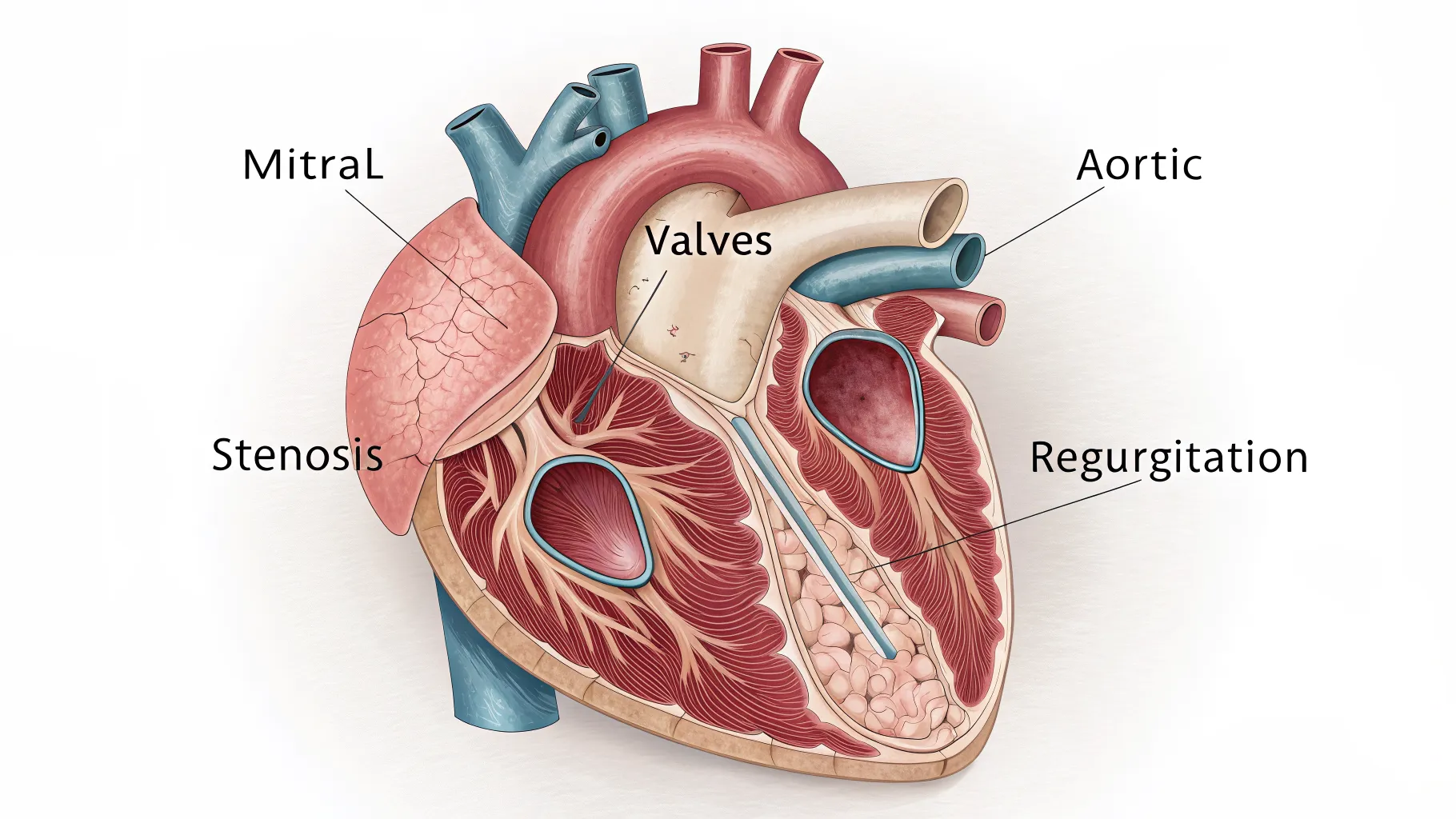
One of the foremost heart valve disorder causes is a congenital defect, meaning the problem is present at birth. The most common of these is the bicuspid aortic valve, where the aortic valve has only two leaflets instead of the usual three. This structural abnormality can lead to stenosis (narrowing) or regurgitation (leaking) over time, creating significant heart valve function issues. Other congenital problems can include malformed valves or atresia, where a valve doesn't form correctly at all. These inherent cardiac valve conditions often require monitoring from a young age and may necessitate intervention later in life to prevent complications.
Acquired Valve Disease: Damage Developed Over Time
Many valve problems are not present at birth but are acquired later in life. These conditions develop due to disease, infection, or age-related changes. Understanding these acquired heart valve disorder causes is vital for public health. Below are some of the most significant factors that lead to acquired valve disease.
Rheumatic Fever's Lingering Impact
Historically a major cause, rheumatic fever—a complication of untreated strep throat or scarlet fever—can cause lasting damage to the heart valves. The inflammation from the illness can lead to scarring of the valve leaflets, resulting in rheumatic heart disease. This scarring can cause the valve to become narrow or leaky years or even decades after the initial illness, leading to chronic heart valve function issues and demonstrating how past infections can evolve into severe cardiac valve conditions.
Infective Endocarditis: A Direct Threat to Valve Integrity
Endocarditis is a serious infection of the endocardium, the inner lining of the heart chambers and heart valves. It occurs when bacteria or other germs enter the bloodstream and attach to damaged areas in the heart, such as a pre-existing faulty valve. This infection can cause growths on the valves, leading to holes or severe leakage. It is a critical piece of heart valve disease information that highlights the importance of oral hygiene and preventative antibiotics for at-risk individuals before certain dental or medical procedures.
Degeneration and Calcification from Aging
As we age, our bodies undergo changes, and the heart valves are no exception. Degenerative valve disease is one of the most common heart valve disorder causes in older adults. Over time, calcium deposits can build up on the aortic or mitral valves, causing them to stiffen and narrow (stenosis). The valve tissue can also weaken and stretch, leading to regurgitation. These age-related changes are significant cardiovascular health factors that require careful monitoring in the elderly population.
The Role of Underlying Cardiovascular Health Factors
General heart health plays a crucial role in valve function. Certain conditions can accelerate valve damage or place extra strain on the heart, exacerbating underlying cardiac valve conditions. For instance, long-term high blood pressure, coronary artery disease, and previous heart attacks can alter the heart's structure, affecting how the valves work. Atherosclerosis (hardening of the arteries) and high cholesterol are other key cardiovascular health factors that can contribute to the calcification and stiffening of valves, leading to serious heart valve function issues.
Other Medical Conditions and Their Influence
A range of other medical conditions can also be counted among the heart valve disorder causes. Autoimmune diseases like lupus can cause inflammation that affects the heart valves. Certain genetic conditions, such as Marfan syndrome, affect the body's connective tissue, which can weaken the aortic valve and root. Additionally, treatments for other diseases, such as radiation therapy to the chest for cancer, can sometimes cause valve damage years later. This diverse set of causes requires comprehensive heart valve disease information for accurate diagnosis and management.
Actionable Steps for Managing Heart Valve Health
While some causes are unavoidable, taking proactive steps can help manage your risk and slow the progression of valve disease. Focusing on your overall cardiovascular health factors is the most effective strategy. Here are some actionable recommendations:
- Regular Medical Check-ups: Early diagnosis is crucial. A doctor can listen for a heart murmur, often the first sign of a valve problem, and recommend further testing if needed.
- Manage Blood Pressure and Cholesterol: Keeping these numbers in a healthy range reduces the overall strain on your heart and blood vessels, which is vital for preventing the worsening of cardiac valve conditions.
- Adopt a Heart-Healthy Diet: A diet low in sodium, saturated fats, and processed foods can help manage blood pressure and cholesterol, supporting valve health.
- Prevent Infections: Practice good dental hygiene to prevent bacteria from entering the bloodstream. If you have a known valve condition, talk to your doctor about needing antibiotics before certain procedures to prevent endocarditis.
Frequently Asked Questions
What are the most common heart valve disorder causes?
The most frequent heart valve disorder causes include congenital defects present from birth (like a bicuspid aortic valve), age-related degeneration (calcification), infections like endocarditis, and rheumatic fever. Various cardiovascular health factors such as high blood pressure and atherosclerosis also play a significant role.
How do infections lead to cardiac valve conditions?
Infections can cause serious cardiac valve conditions through a process called endocarditis. Bacteria or other germs enter the bloodstream and can attach to the surface of heart valves, leading to growths, inflammation, and direct damage that impairs valve function. This is crucial heart valve disease information for those with pre-existing valve issues.
Can lifestyle affect heart valve function issues?
Yes, lifestyle significantly impacts heart valve function issues. While some causes are congenital, managing risk factors like high blood pressure, high cholesterol, and diabetes through diet, exercise, and avoiding smoking can reduce strain on the heart and slow the progression of certain degenerative valve diseases.
References
- American Heart Association: Heart Valve Disease Guidelines
- National Heart, Lung, and Blood Institute: Valvular Heart Disease Research
- Journal of Cardiovascular Medicine: Studies on Acquired Valve Disorders
- Centers for Disease Control and Prevention: Information on Congenital Heart Defects