Understanding the Primary Causes of Heart Valve Disorders
Fast Facts:
- Early Diagnosis: Understanding causes is crucial for timely detection and management.
- Awareness of congenital heart defects as a primary cause is growing among patient advocacy groups.
Unraveling the Triggers Behind Faulty Heart Valves
The heart's four valves are marvels of biological engineering, ensuring blood flows in the correct direction. When they malfunction, the entire circulatory system is affected. Understanding the primary heart valve disorder causes is the first step toward prevention and effective treatment. These causes are broadly categorized into two groups: congenital (present at birth) and acquired (developed later in life). Factors can range from genetic predispositions and infections to age-related wear and tear, highlighting the complexity of these conditions and the importance of comprehensive heart valve disease information for patients and caregivers alike.
Congenital Factors: When the Problem Starts at Birth
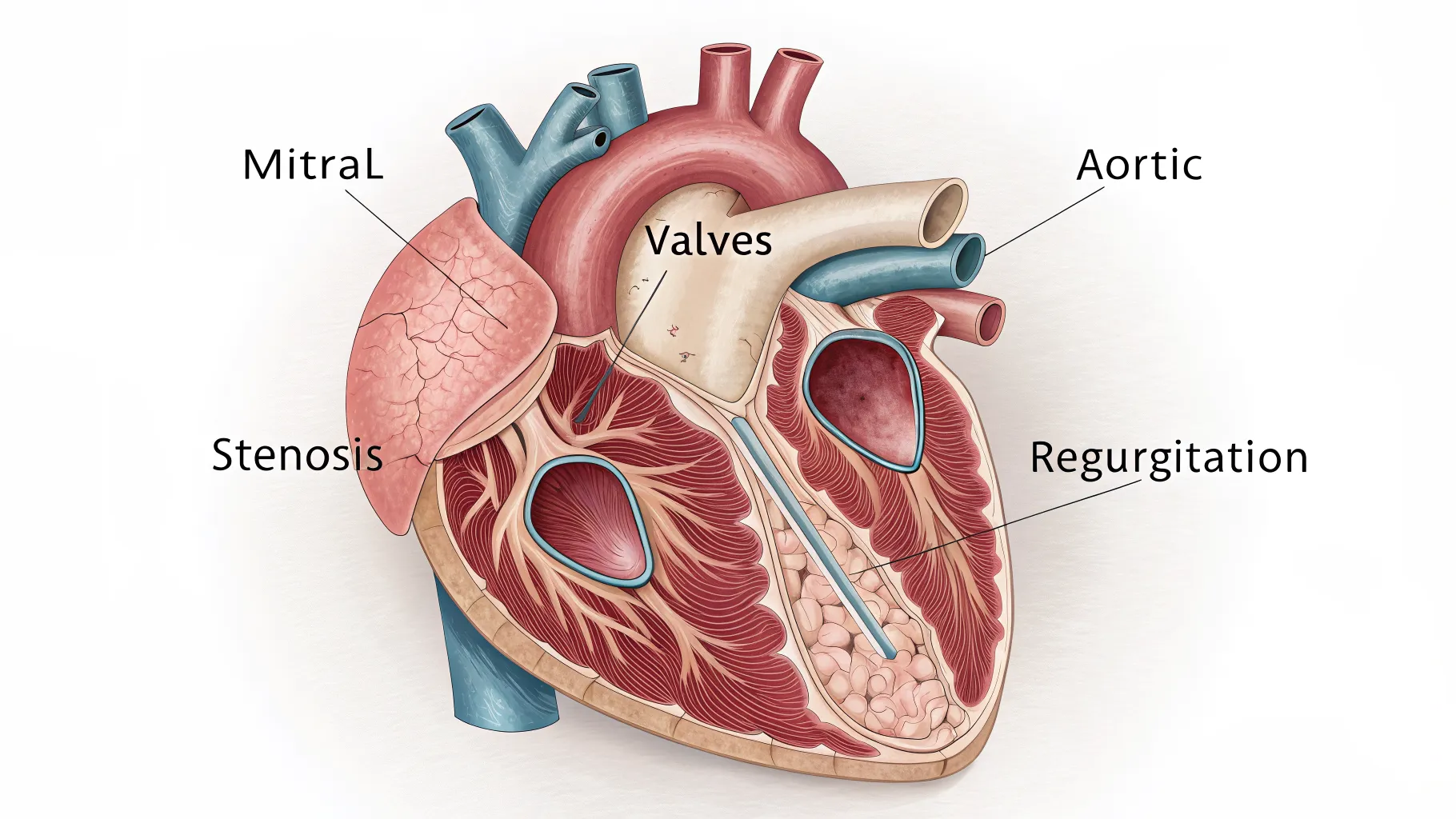
For many individuals, heart valve problems originate before they are even born. Congenital defects can affect the size, shape, or formation of the valve leaflets. The bicuspid aortic valve, where the aortic valve has only two leaflets instead of the usual three, is one of the most common congenital heart defects. While some individuals may live their entire lives without symptoms, others may experience valve narrowing (stenosis) or leakage (regurgitation) as they age, eventually requiring medical intervention. Other congenital issues include atresia, where a valve is improperly formed or missing entirely, creating immediate health challenges from birth.
Acquired Conditions: Causes Developed Over a Lifetime
More frequently, heart valve issues develop over time due to various diseases, infections, or physiological changes. These acquired causes are often linked to other health problems and lifestyle factors. Understanding these acquired triggers is essential for managing overall cardiovascular health factors.
Rheumatic Fever's Lingering Impact
Once a common childhood illness, rheumatic fever—a complication of untreated strep throat—can cause permanent damage to heart valves, a condition known as rheumatic heart disease. The inflammation from the infection can scar the valve leaflets, leading to stenosis or regurgitation years or even decades later. Though less common in developed countries today, it remains a significant cause of cardiac valve conditions globally.
Infections and Inflammatory Conditions
Infective endocarditis is a serious infection of the endocardium, the inner lining of the heart chambers and valves. Bacteria or other germs entering the bloodstream can attach to damaged areas of the heart, particularly the valves, leading to growths that can destroy valve tissue. Other conditions like lupus and rheumatoid arthritis can also cause inflammation that affects heart valve function.
Degenerative Changes and Other Health Issues
Over time, heart valves can simply wear out. This degenerative valve disease is a common cause of heart valve function issues, particularly in older adults. Calcium deposits can stiffen the aortic valve (aortic stenosis), and the mitral valve can stretch and weaken (mitral valve prolapse). Furthermore, conditions like high blood pressure, heart attack, coronary artery disease, and cardiomyopathy can all damage the heart muscle and, by extension, disrupt the proper function of the valves.
Proactive Steps for Mitigating Valve Disease Risks
While some causes are unavoidable, certain measures can help protect your heart valves. Adopting a heart-healthy lifestyle is a crucial preventative strategy. This involves not just diet and exercise but also diligent management of underlying health conditions that can strain the cardiovascular system.
- Manage Blood Pressure: Keeping your blood pressure within a healthy range reduces strain on your heart and blood vessels.
- Prevent Infections: Practice good dental hygiene and seek prompt treatment for infections like strep throat to prevent complications such as rheumatic fever or endocarditis.
- Adopt a Heart-Healthy Diet: Focus on a diet low in sodium, saturated fats, and cholesterol, and rich in fruits, vegetables, and whole grains.
- Stay Physically Active: Regular exercise strengthens the heart muscle and improves overall cardiovascular health.
- Control Cholesterol: High cholesterol can lead to atherosclerosis, which can affect the heart and its valves.
Frequently Asked Questions
What are the most common symptoms of a heart valve disorder?
Common symptoms include shortness of breath, especially with activity or when lying down; fatigue or weakness; chest pain or discomfort; a rapid or irregular heartbeat; lightheadedness or fainting spells; and swelling in the ankles, feet, or abdomen.
Can lifestyle changes reverse heart valve damage?
While lifestyle changes like a healthy diet, regular exercise, and quitting smoking can manage symptoms and slow the progression of some valve diseases, they cannot reverse existing structural damage to a valve. Medical treatments, including medication or surgery, are often necessary to correct the problem.
How are heart valve disorders diagnosed?
Diagnosis typically begins with a physical exam where a doctor listens for a heart murmur. An echocardiogram, which uses sound waves to create images of the heart, is the primary tool used to confirm a diagnosis, showing the structure and function of the valves in detail.
References
- American Heart Association: Heart Valve Disease Information
- Centers for Disease Control and Prevention (CDC): Valvular Heart Disease
- National Heart, Lung, and Blood Institute (NHLBI): What Is Heart Valve Disease?