Causes of Dementia Explained: A Comprehensive Guide
Facts:
- Dementia is a syndrome, not a single disease.
- Aging remains the number one risk factor for dementia.
Unraveling the Complex Web of Dementia Development Factors
Understanding what causes dementia is the first step toward addressing one of the most significant global health challenges of our time. Dementia is not a specific disease but an umbrella term for a wide range of cognitive decline symptoms, including memory loss, difficulty with problem-solving, and language issues severe enough to interfere with daily life. The root of these symptoms lies in damage to or loss of nerve cells and their connections in the brain. Various dementia development factors contribute to this damage, making it a multifaceted condition. Exploring the complete dementia causes list is crucial for patients, caregivers, and researchers alike as we seek better prevention and treatment strategies.
The Definitive Dementia Causes List
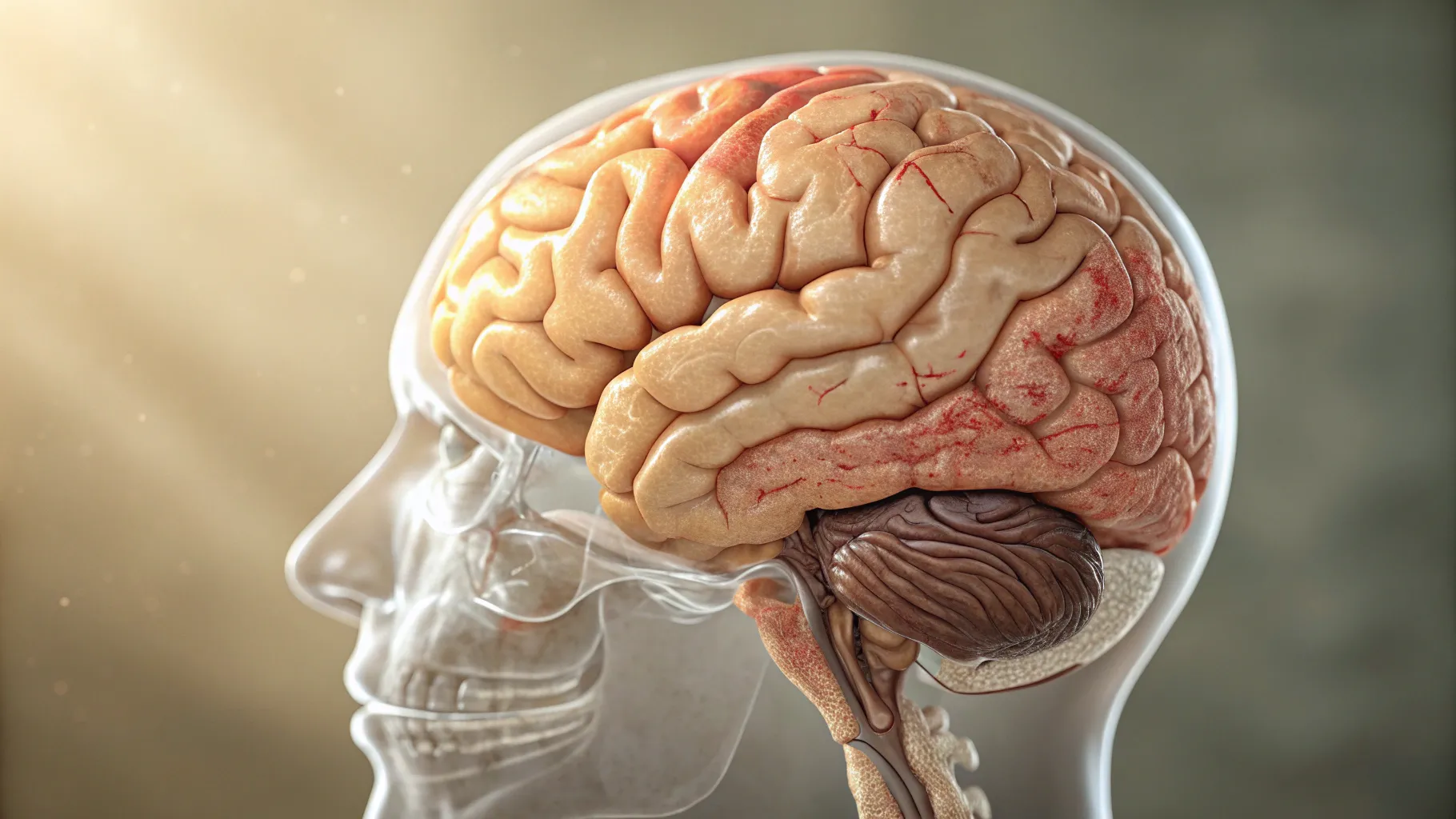
The causes of dementia are varied, with different types stemming from distinct underlying pathologies. While Alzheimer's disease is the most well-known, it is far from the only cause. A comprehensive dementia causes list includes a spectrum of conditions that lead to cognitive impairment. These are often categorized by the nature of the brain changes that occur. Understanding these specific brain disease causes helps in diagnosing the type of dementia and tailoring management strategies. Some individuals may even have mixed dementia, where the brain shows evidence of two or more types of dementia-related pathologies.
Neurodegenerative Diseases: The Primary Brain Disease Causes
Neurodegenerative diseases are the most common cause of dementia. These conditions involve the progressive death of neurons. Alzheimer's Disease is the leading cause, accounting for 60-80% of cases, characterized by the buildup of amyloid plaques and tau tangles. Lewy body dementia is another common form, where alpha-synuclein protein clumps, known as Lewy bodies, accumulate in the brain. Frontotemporal dementia involves the degeneration of the frontal and temporal lobes, affecting personality, behavior, and language. Each of these represents distinct brain disease causes leading to cognitive decline.
Vascular Dementia
Resulting from conditions that damage blood vessels in the brain and disrupt blood flow, vascular dementia is the second most common type. This can happen after a major stroke or through a series of smaller, often unnoticed, strokes. The lack of adequate blood flow deprives brain cells of vital oxygen and nutrients, causing them to die. This is a critical item on the dementia causes list, as managing cardiovascular health can directly impact the risk of developing this form of dementia.
Identifying the Early Causes of Dementia
While some risk factors are unchangeable, many early causes of dementia are linked to lifestyle and environment. Recognizing and addressing these modifiable risks is our most powerful tool in prevention. Factors such as chronic high blood pressure, high cholesterol, uncontrolled diabetes, and obesity are significant dementia development factors. These conditions often damage the vascular system, linking directly to the risk of vascular dementia and potentially exacerbating Alzheimer's pathology. Furthermore, lifestyle choices like smoking, excessive alcohol consumption, a sedentary lifestyle, and poor diet contribute significantly to cognitive decline over time. The focus on these early causes of dementia highlights the importance of lifelong health management.
The Role of Genetics and Other Medical Conditions
Genetics can play a role, though it is not always a determining factor. Certain genes, like the apolipoprotein E (APOE) gene, can increase an individual's risk, but they do not guarantee the onset of dementia. It's one of several important dementia development factors to consider. Beyond neurodegenerative diseases, other medical conditions can also lead to dementia. Traumatic Brain Injury (TBI), particularly repeated head trauma, has a strong link. Additionally, conditions like Parkinson's disease, Huntington's disease, and Creutzfeldt-Jakob disease are known brain disease causes that result in dementia symptoms as they progress.
Actionable Steps to Mitigate Dementia Risk
While there is no certain way to prevent dementia, research suggests that you can take steps to lower your risk by addressing the early causes of dementia. A proactive approach to brain health is essential throughout life. Here are evidence-based strategies to protect your cognitive function:
- Maintain Cardiovascular Health: What's good for the heart is good for the brain. Regularly monitor and manage blood pressure, cholesterol, and blood sugar levels. A healthy cardiovascular system ensures your brain receives the oxygen-rich blood it needs to function.
- Engage in Regular Physical Activity: Aim for at least 150 minutes of moderate-intensity exercise per week. Physical activity increases blood flow to the brain and may stimulate the growth of new brain cells, directly combating key dementia development factors.
- Adopt a Brain-Healthy Diet: Diets like the Mediterranean or DASH (Dietary Approaches to Stop Hypertension) diet have been linked to a lower risk of cognitive decline. Focus on fruits, vegetables, whole grains, lean proteins, and healthy fats.
- Stay Mentally and Socially Active: Challenge your mind with puzzles, reading, learning new skills, or playing musical instruments. Strong social connections and regular engagement with friends, family, and community also play a protective role against the progression of what causes dementia.
Frequently Asked Questions
What causes dementia most commonly?
The most common cause of dementia is Alzheimer's disease, which accounts for an estimated 60% to 80% of cases. It is a progressive brain disorder characterized by specific changes in the brain's structure, making it one of the most studied brain disease causes.
Can lifestyle changes truly impact the early causes of dementia?
Yes, significantly. While lifestyle changes cannot alter genetic predispositions, they can mitigate many modifiable risk factors. Managing cardiovascular health, maintaining a healthy diet, staying physically active, and engaging in mental stimulation are all proven strategies to lower the risk of developing dementia by addressing its early causes of dementia.
Is dementia just a normal part of getting older?
No, this is a common misconception. While age is the single greatest risk factor, dementia is not a normal part of aging. It is caused by diseases that damage the brain. Many people live into their 90s and beyond without any signs of dementia, which underscores that it is a medical condition, not an inevitability.
References
- World Health Organization (WHO) - Dementia Fact Sheet
- Alzheimer's Association - Causes and Risk Factors
- U.S. National Institute on Aging - What Causes Dementia?
- The Lancet Commission on dementia prevention, intervention, and care