Causes of Dementia and Brain Health Risk Factors Explained
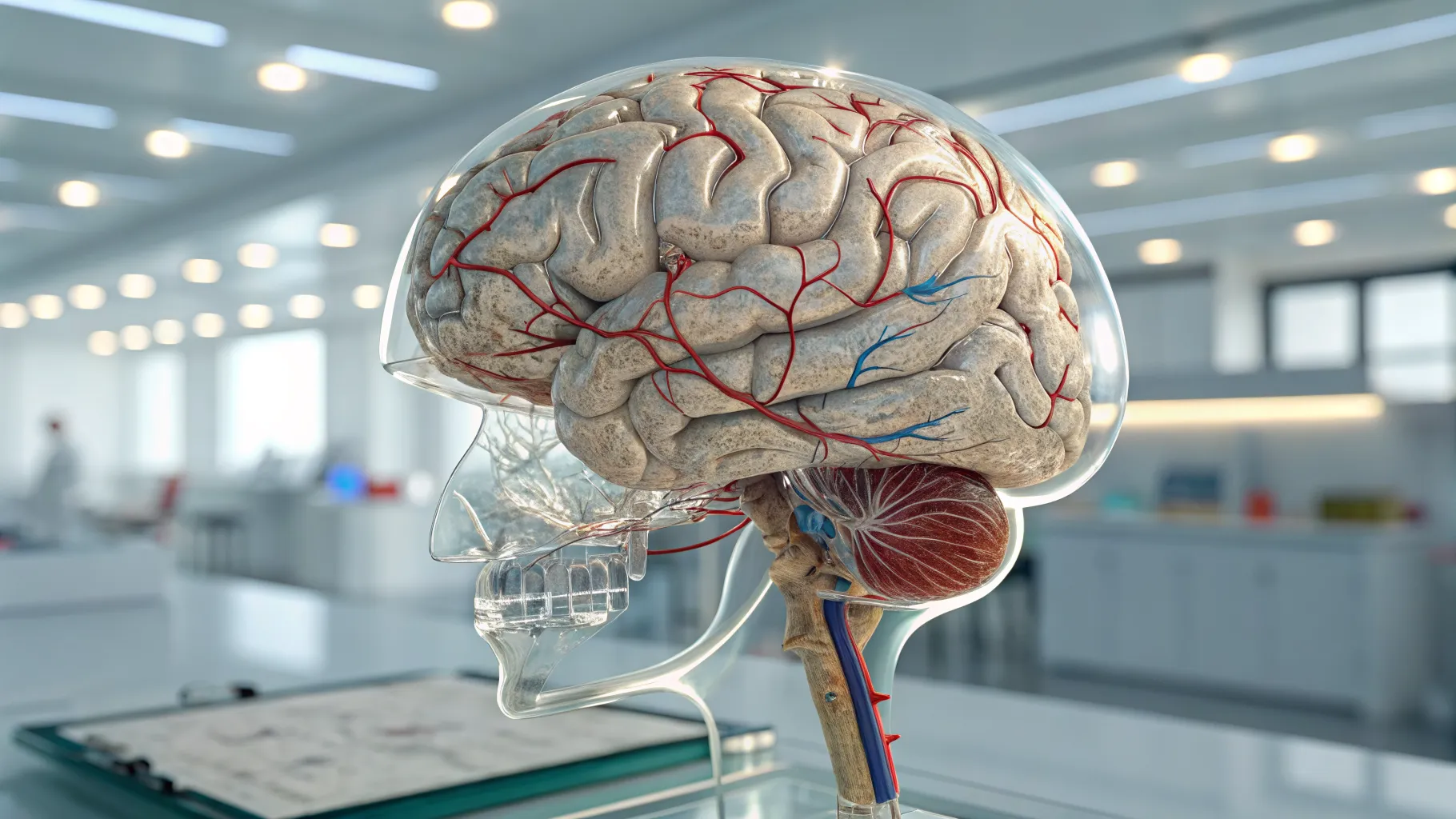
The Causes of Dementia Unraveled: Understanding Your Brain Health
Dementia, a term broadly encompassing cognitive decline that interferes with daily life, is an escalating concern affecting millions. In our current reality of 2025, the prevalence of conditions such as Alzheimer’s disease, vascular dementia, and Lewy body dementia continues to swell, prompting a critical need to explore and understand the multifaceted causes of dementia and how we can positively influence brain health.
Understanding the Causes of Dementia
Recent research has aimed to unveil the complex causes of dementia. Although we are still piecing together the intricate puzzle of this condition, several pivotal factors have been firmly established as contributors to its onset. Understanding these causes isn't just beneficial for individuals at risk; it can also pave the way for preventive strategies that may mitigate the risk.
- Age: Age is arguably the single most significant risk factor for dementia. Statistics show that nearly 1 in 10 individuals aged 65 and older have been diagnosed with this condition, and as populations age further, this number is projected to rise.
- Genetics: Genetic predisposition plays a critical role in some dementia forms. Particularly, familial Alzheimer’s has a strong genetic element where genes like the ApoE4 allele can significantly increase risk.
- Head Injuries: Head trauma has recently been linked to an elevated likelihood of developing dementia. New findings suggest that repeated concussions can trigger neurodegenerative processes that affect cognition years later.
- Chronic Health Conditions: Chronic diseases such as diabetes, hypertension, and cardiovascular problems can impair blood flow to the brain—elevating dementia risks. In fact, a recent study showed that managing these conditions could reduce cognitive decline rates by up to 15%.
- Substance Use: Lifestyle choices like smoking and heavy alcohol consumption have emerged as significant risk factors. Engaging in either can damage brain structures crucial for memory and cognition, with alcohol-related dementia being increasingly recognized on a global scale.
Cognitive Decline Causes: A Closer Analysis
Diminished cognitive capacity typically marks the onset of dementia. Recognizing its causes can facilitate early diagnosis and timely interventions. Factors contributing to cognitive decline encompass a wide range of lifestyle and health elements.
- Nutrition: A diet deficient in essential nutrients can harm brain health. Evidence suggests that diets high in saturated fats and sugars may enhance dementia risk, whereas Mediterranean-style diets, abundant in fruits, vegetables, and healthy fats, can significantly mitigate it. Studies conducted in the past six months highlight that individuals adhering to such diets have reported better cognitive performance.
- Physical Activity: Engaging in regular exercise is crucial for maintaining cognitive abilities. The correlation between sedentary behavior and increased dementia risk is compelling. Recent health guidelines emphasize activities like brisk walking and swimming, showing how they can enhance brain function markedly.
- Social Engagement: Social isolation and loneliness have detrimental effects on mental health. Current research demonstrates that maintaining social connections can produce a protective effect against cognitive decline, positively influencing how our brains age.
- Sleep Quality: Disrupted or poor sleep quality, particularly sleep disorders like sleep apnea, are increasingly recognized as precursors to cognitive decline. Studies indicate that chronic sleep deprivation can accelerate the onset of dementia symptoms by over 25%.
Dementia Risk Factors and Proactive Prevention Strategies
Empowering yourself with knowledge about dementia risk factors allows for proactive measures that could help reduce the likelihood of developing severe cognitive decline. Strategies that focus on overall health can be impactful.
Implementing changes to mitigate dementia risk is clearer in 2025 than it has ever been. Here are some actionable steps you can take to promote better brain health:
- Health Management: Regular monitoring of chronic conditions through healthcare check-ups is vital. Properly managed health issues can serve as a safeguard against cognitive decline, with reports indicating that patients who engage actively with their providers experience better health outcomes.
- Weight Maintenance: Obesity has been identified as a controlling factor in dementia risk. Utilizing balanced diets and consistent exercise routines can help maintain a healthy weight, thereby safeguarding brain health.
- Mental Stimulation: Keeping the mind engaged through reading, puzzles, or learning new skills encourages cognitive resilience. Recent initiatives in community centers promoting lifelong education have seen remarkable declines in cognitive symptoms among older adults.
- Heart Health Matters: The health of your cardiovascular system plays a direct role in your brain's health. Engaging in regular cardiovascular exercise can stave off age-related cognitive issues, proving beneficial for long-term mental acuity.
We are witnessing promising trends in dementia awareness and prevention as 2025 unfolds. Data from the first half of this year indicates that communities participating in dementia education programs boast a striking 20% lower incidence of dementia diagnosis than those who do not. These programs, emphasizing physical activity, balanced nutrition, and social connectivity, are yielding palpable benefits across demographics.
Moreover, understanding the causes of dementia is vital for individuals and societies alike. Equipping ourselves with this knowledge helps to attenuate the emotional and financial burdens posed by this condition on families and caregivers. As we navigate the complexities of the present, the emphasis remains on fostering optimal brain health and tackling cognitive decline head-on.
Prioritizing brain health and fostering preventive measures now allows us to envision a future with diminished cases of dementia. Together, through knowledge and strategy, we can protect our most precious resource—our minds.