Causes of Dark Circles Under the Eyes Explained
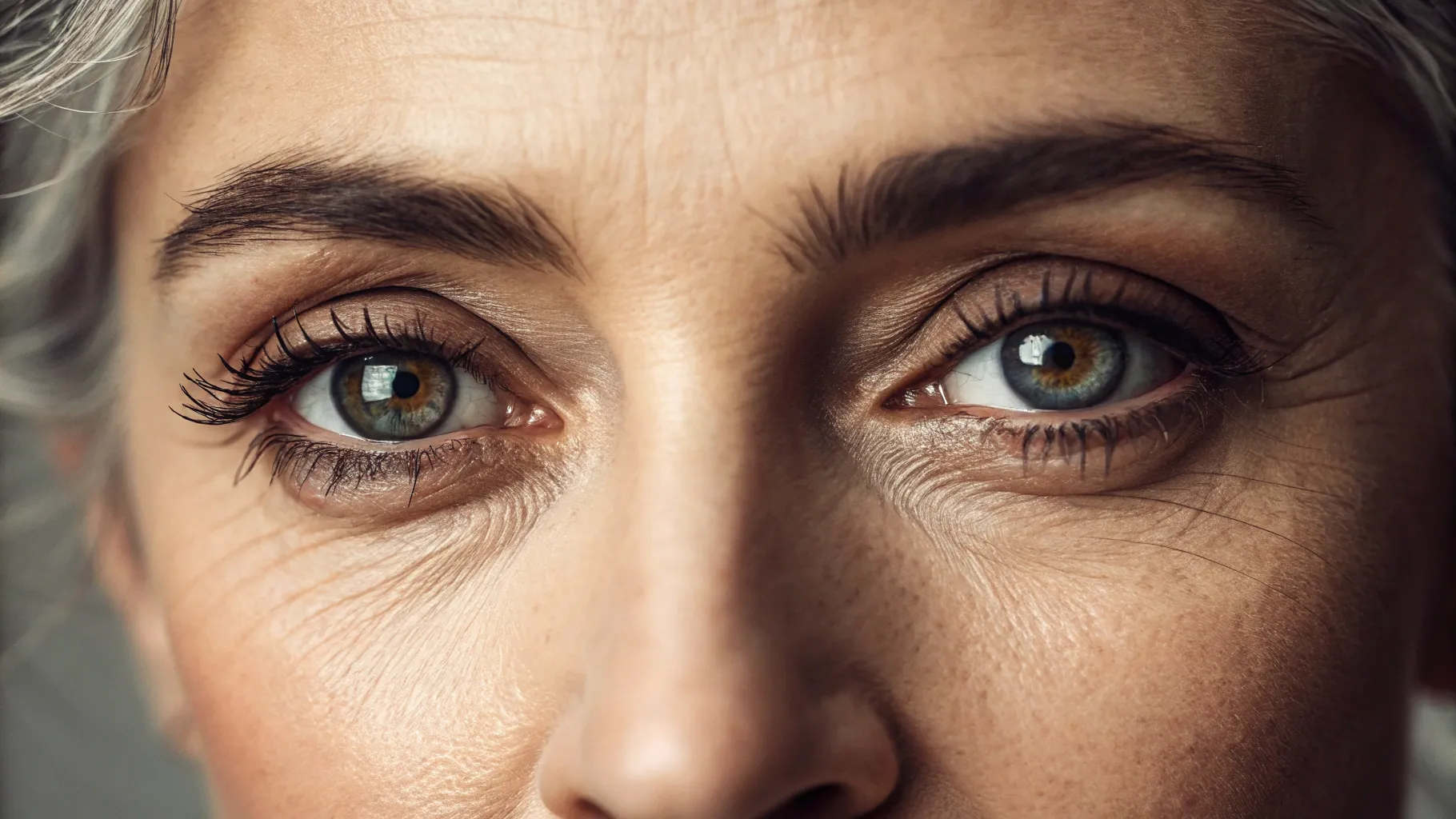
Understanding the Causes of Dark Circles Under the Eyes
Dark circles under the eyes are a common concern that affects people across various demographics. However, this cosmetic issue can signify deeper health issues or the natural aging process. By exploring the causes of dark circles, we understand that multiple factors interplay to create this common appearance issue. Over the years, our lives have become increasingly demanding, and as we age, skin changes often become more pronounced, leading many to search for effective solutions.
The Aging Factor and Its Effects on the Eye Area
Aging often stands out as the most significant cause of under-eye shadows. The skin around our eyes is particularly thin and delicate, making it prone to the visible signs of aging. With age, our bodies naturally produce less collagen and elastin, two vital proteins that maintain skin firmness and elasticity. By the time we reach our thirties, most of us notice these changes—sagging skin and hollowness around the eyes become more pronounced.
Recent surveys from early 2025 estimate that about 75% of individuals start experiencing some degree of darkness under their eyes by their mid-30s. This stark change is mainly due to the loss of fat deposits and the thinning of skin that naturally occurs with age. The appearance of dark circles can also be exacerbated by diminishing circulation in the area, leading to a build-up of blood, which enhances the dark tone of the skin under our eyes.
The Influence of Sleep on Dark Circles
In our fast-paced 2025 lifestyle, one commonly overlooked cause of dark circles is lack of sleep. Many of us prioritize work, family, or social commitments above getting essential rest. A recent survey conducted in late 2024 revealed that around 60% of respondents reported consistently achieving less than the recommended seven hours of sleep per night.
- Inadequate sleep leads to paler skin, which naturally accentuates the visibility of dark circles.
- When we lack restorative sleep, blood vessels under our eyes can become more noticeable, paving the way for shadows.
- People often notice more significant bags upon waking, and these shadows can persist throughout the day, potentially affecting self-esteem and confidence levels.
Stress plays a crucial role in sleep quality, and recent research indicates a 30% increase in stress levels in the post-pandemic world, contributing to widespread sleep challenges.
Skin Pigmentation and Genetic Influences
Skin pigmentation issues are another critical factor in the emergence of dark circles. Genetic predisposition can make certain individuals more likely to develop dark pigmentation under the eyes—a condition known medically as periorbital hyperpigmentation. This situation is especially common in individuals from specific ethnic backgrounds, including those with darker skin, where melanin production increases under the eyes, giving that shadowed appearance.
Additionally, sun exposure plays a significant role in exacerbating this condition. A study carried out in 2024 found that UV exposure stimulates melanin production, leading to a more pronounced dark circle appearance. Therefore, protecting the delicate skin around the eye with quality sunscreen or eye creams is crucial, not just for aesthetics but also for maintaining overall skin health.
Other Contributing Factors to Dark Circles
Dark circles can arise from various other causes, which are often overlooked. Here are the most common factors, each contributing to the presence of under-eye shadows:
- Allergies: Seasonal and environmental allergies cause inflammation and swelling around the eyes, making dark circles more visible as histamines dilate blood vessels.
- Dehydration: Low water intake can lead to dull, tired-looking skin. Staying hydrated enhances skin health and can help minimize the shadows under the eyes.
- Poor Diet: A diet low in essential vitamins and nutrients, particularly Vitamin K and C, affects skin vitality. Consuming a well-balanced diet contributes to brighter skin overall.
- Medical Conditions: Conditions such as anemia or thyroid dysfunction often manifest through dark circles. Persistent appearances may indicate underlying health issues that require medical attention.
- Substance Use: The consumption of tobacco and alcohol can worsen the appearance of dark circles by hindering skin blood flow and hydration.
Understanding these various contributing factors to dark circles is essential as it allows individuals to take actionable steps in mitigating their appearance. Small lifestyle adjustments can yield significant changes over time.
Effective Strategies for Addressing Dark Circles
Managing and reducing the appearance of dark circles involves a multifaceted approach. Start with improving your sleep routines; establishing a regular sleep schedule can be transformative in achieving adequate rest. Pairing this with a dedicated skincare regimen, including hydrating eye creams—those rich in hydrating and rejuvenating ingredients—can greatly improve skin texture and elasticity.
Nutrition plays a pivotal role in skin health, so consider integrating more vitamin-rich foods or supplements into your diet. Foods packed with Vitamins C and K can support vibrant skin from within. Moreover, staying well-hydrated is critical, so keep track of your water consumption throughout the day to ensure your skin remains plump and radiant.
For those seeking quicker results, professional treatments have gained popularity. Options such as chemical peels, dermal fillers, and laser therapies are becoming increasingly common as people explore various cosmetic treatments to rejuvenate their appearance. Nonetheless, consulting with a dermatologist is vital for gaining insights tailored to your specific skin needs and challenges.
In summary, being proactive and informed about the causes and treatment options for dark circles can empower individuals to reclaim confidence in their appearance. By addressing both lifestyle factors and skincare routines, you can take significant steps toward brighter, more youthful-looking eyes. As we continue to navigate the complexities of modern life in 2025, it becomes increasingly essential to prioritize both our physical health and self-care practices.