Causes of Mid Back Discomfort and Solutions for Relief
Understanding Mid-Back Discomfort in Adults
Mid-back discomfort is a widespread issue for many adults today. From the aches felt after long days at the office to the discomfort that lingers even after a solid workout, this problem affects millions. Knowing the causes of mid-back pain is crucial for anyone looking to find real relief. Factors like poor posture, sedentary lifestyles, and the aging process all contribute to this discomfort. By recognizing these causes, individuals can develop better strategies for managing their pain and improving their quality of life.
Posture: A Key Player in Back Health
One of the most significant contributors to mid-back discomfort is poor posture. In our current digital age, many people find themselves engrossed in screens for hours, often hunched over desks or curling up on couches. Recent studies from early 2025 reveal that more than 60% of office workers acknowledge experiencing some level of back pain, particularly in the mid-back region. Here are a few critical elements worth considering:
- Prolonged Sitting: Spending excessive time sitting places a substantial strain on the spine. When seated for long periods, the spine may lose its natural curvature, leading to discomfort and muscle fatigue.
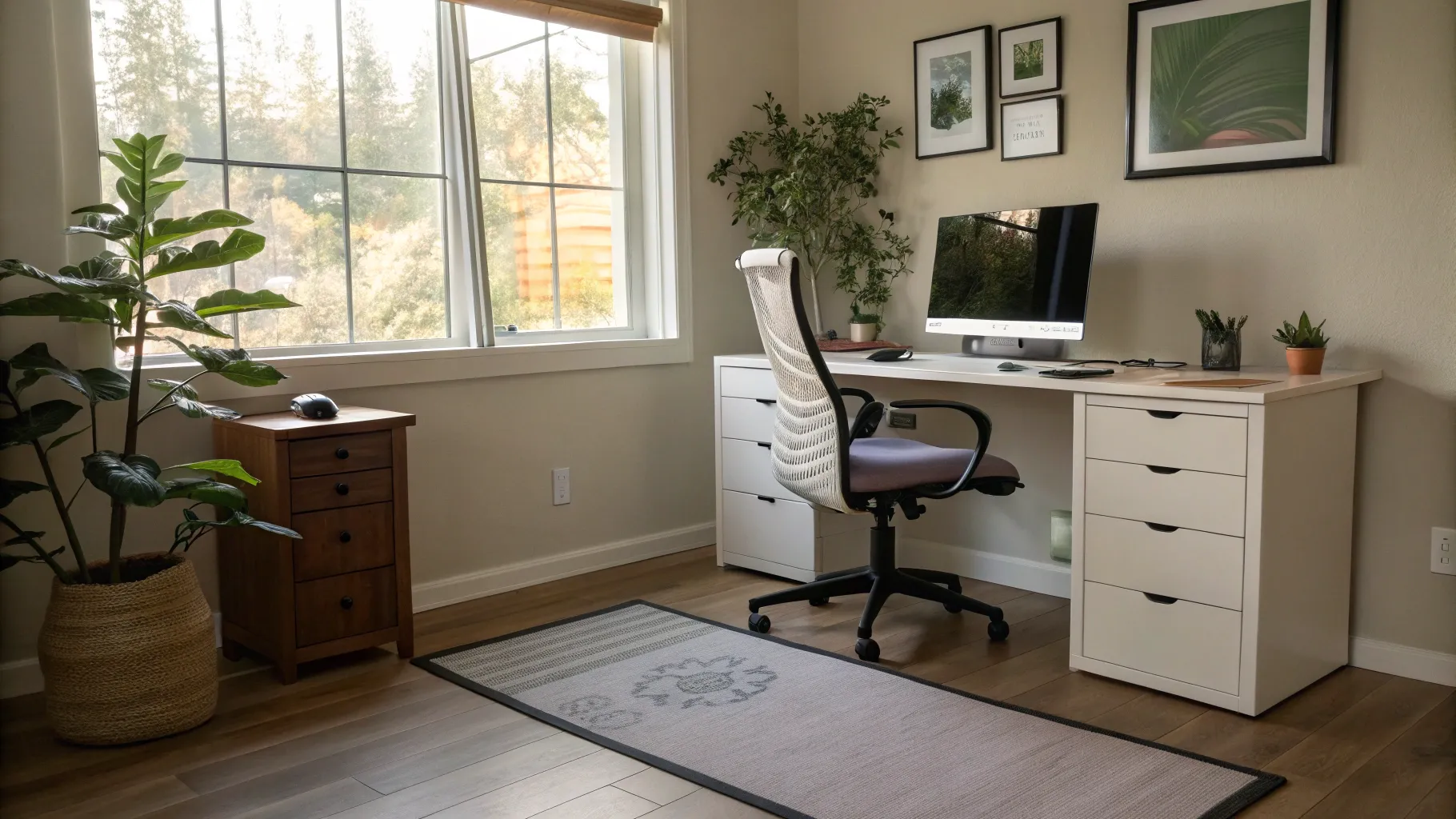
- Improper Desk Setup: Ergonomics plays a crucial role in spinal health. A desk set too high or too low, combined with poorly positioned monitors, can lead to diminished posture and exacerbate discomfort.
- Lack of Movement: During a standard 8-hour workday, it's vital to take regular breaks to stand up and stretch. Constantly remaining stationary can intensify feelings of stiffness and discomfort, making it more challenging to maintain good posture.
Moreover, adopting a slouched position consistently not only triggers immediate discomfort but may also result in long-term structural issues within the spine. This highlights the need for more awareness regarding workplace ergonomics and conscious sitting habits.
The Impact of Sedentary Lifestyles on Back Health
With lifestyles becoming increasingly sedentary, especially post-pandemic, mid-back pain has become all too common among adults. Current statistics suggest that over 70% of professionals now work remotely at least part-time, perpetuating these sedentary habits. Such lifestyles can lead to several detrimental effects:
- Decreased Muscle Strength: A lack of physical activity weakens the core muscles critical for supporting and stabilizing the spine. A strong core is essential for distributing physical stress throughout the body, preventing undue pressure on the back.
- Weight Gain: Inactivity can contribute significantly to weight gain, which puts additional stress on the spine and may aggravate discomfort.
The good news is that even simple changes can make a difference. Incorporating light stretches, brisk walks, and targeted strength training into daily routines can remarkably enhance back health and ease discomfort.
Aging and Its Effects on Mid-Back Discomfort
As individuals age, the spine naturally undergoes various changes that can lead to mid-back pain. The discs between the vertebrae begin to lose hydration over time, resulting in diminished shock absorption and flexibility. A survey conducted in late 2024 indicates that over 50% of people aged 40 and older reported experiencing back discomfort largely due to these aging processes.
- Degenerative Disc Disease: Common among older adults, this condition arises as spinal discs degrade, resulting in less effective shock absorption and increased friction between vertebrae, leading to pain.
- Arthritis: Osteoarthritis is prevalent in older populations and can cause inflammation in spinal joints, contributing to discomfort and restricted movement.
Recognizing the role aging plays in mid-back discomfort enables individuals to pursue appropriate interventions, including physical therapy, tailored exercise programs, and anti-inflammatory medications, to help manage and alleviate their pain effectively.
Identifying Key Discomfort Areas in the Mid-Back
Spotting specific areas of discomfort is essential for effective treatment. Many people experience pain between the shoulder blades, a recognized cause of mid-back pain that can often be alleviated with targeted care. Additionally, tightness in the thoracic region frequently develops due to excessive computer use or improper physical activities. Here are key points to note:
- Between the Shoulder Blades: This region comprises muscles that can become taut due to stress or poor posture, resulting in discomfort that can persist throughout the day.
- Lower Mid-Back: Pain in this area may point to underlying issues within the lumbar region, often linked to sedentary lifestyles or improper lifting techniques that place strain on the back.
Multiple treatment options exist, ranging from simple mobility exercises to professional interventions, such as chiropractic care aimed at realigning the spine and alleviating pressure. Practical adjustments to habits and physical exercises can go a long way in relieving discomfort and enhancing overall wellness.
Understanding the multifaceted causes of mid-back discomfort empowers individuals to take charge of their health proactively. By being mindful of posture, recognizing the consequences of a sedentary lifestyle, and being aware of the natural changes that accompany aging, adults can take meaningful steps towards better spinal health. Incorporating movement into daily habits, seeking professional guidance when necessary, and maintaining vigilance about posture can significantly improve overall quality of life. Mid-back discomfort does not have to be a given for adults. With awareness and proactive measures, staying active and comfortable becomes attainable, paving the way for healthier living.