Causes of Heart Valve Disorders and Risk Factors Explained
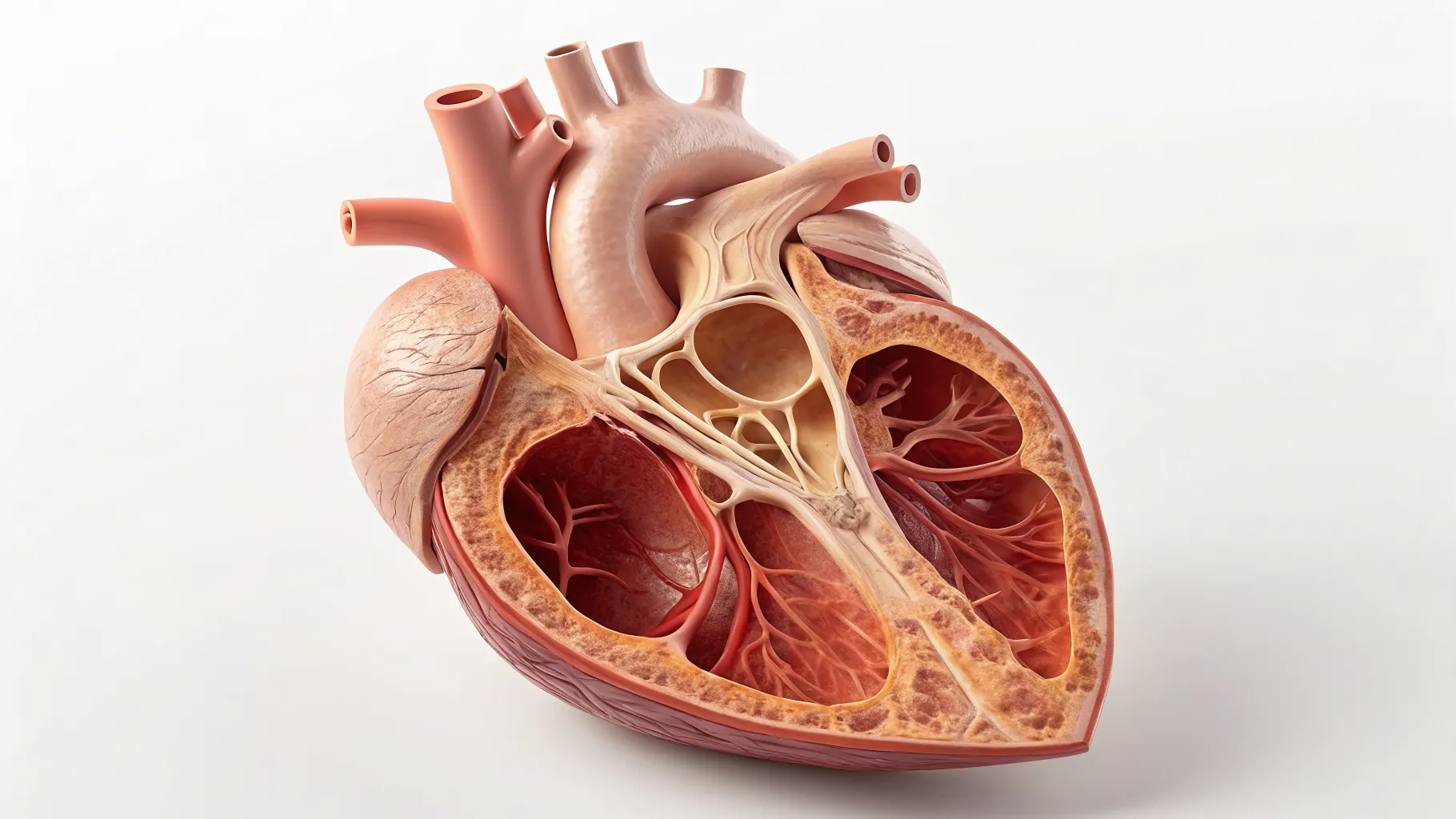
Understanding the Causes of Heart Valve Disorders
Heart valve disorders have emerged as critical health issues affecting millions of individuals worldwide. These disorders can lead to significant health complications, including heart failure, if not identified and treated in a timely manner. In this article, we delve into the various causes of heart valve disorders, the implications they carry for overall health, and effective prevention and management strategies that can help mitigate risks associated with these conditions.
The Diversity of Heart Valve Problems
Heart valves play a vital role in maintaining the smooth circulation of blood throughout the heart and body. The four main heart valves—the aortic, mitral, pulmonary, and tricuspid valves—must work in harmony to ensure effective heart function. Any malfunction can lead to conditions such as stenosis (narrowing) or regurgitation (leakage), both of which can have serious implications for cardiovascular health.
Heart valve disorders can originate from various factors, and these can be categorized into four primary groups: congenital conditions, degenerative changes, infections, and other systemic health factors.
1. Congenital Factors
- Congenital Heart Defects: Some individuals are born with structural abnormalities known as congenital heart defects. One common example is a bicuspid aortic valve, which has only two leaflets instead of the typical three, significantly impairing the valve's functionality.
- Genetic Disorders: Conditions affecting connective tissue, such as Marfan syndrome, can compromise the structural integrity of heart valves, leading to potential dysfunction over time.
2. Degenerative Factors
Aging is a natural process that influences the condition of heart valves:
- Aging: People over the age of 70 commonly experience degeneration of heart valves due to wear and tear. A common ailment is calcification of the aortic valve, leading to a condition known as aortic stenosis, which can hinder blood flow to the body.
- Rheumatic Fever: Though less common today, rheumatic fever can result from untreated streptococcal throat infections and cause long-lasting damage to heart valves, leading to lifelong health challenges.
3. Infectious Factors
Infections represent a serious threat to heart valve function:
- Endocarditis: This critical infection affects the heart's inner lining and can severely damage heart valves. Streptococcal bacteria, often introduced into the bloodstream during routine dental work or through IV drug use, can lead to this life-threatening condition.
- Valvular Infections: Although rarer, viral infections can cause inflammation in the heart, impacting the functionality of the valves indirectly.
4. Other Medical Factors
Several persistent health issues can increase the likelihood of developing heart valve disorders:
- Hypertension: Chronic high blood pressure can cause the heart muscle and its valves to thicken, complicating their function and leading to a range of cardiovascular issues.
- Diabetes: This condition is associated with numerous cardiovascular challenges, including damage to the heart valves due to poor blood sugar regulation.
- Obesity: Excessive weight places additional stress on the heart, escalating the risks of valve problems and other heart-related conditions.
Valve Disorder Risk Factors
Recognizing the risk factors related to heart valve disorders is essential for both effective prevention and timely intervention. Studies show that approximately 2.5% of adults are affected by heart valve disorders, with the incidence notably rising after the age of 70.
Age and Gender
Age is a significant factor; as people grow older, they are more prone to experiencing degenerative changes in their heart valves. Interestingly, research indicates that men are generally more affected by valve diseases at younger ages, while post-menopausal women increasingly face similar risks due to hormonal changes that can adversely impact heart health.
Family History
An individual’s risk may also be elevated by a strong family history of heart conditions. Genetic predispositions can influence the structural properties of heart valves, affecting their overall function and increasing the likelihood of developing disorders.
Health Conditions
Existing health concerns such as hypertension, diabetes, and high cholesterol levels can further aggravate the risks tied to heart valve dysfunction. Regular monitoring and management of these conditions are vital to safeguard heart health.
Lifestyle Choices
Lifestyle choices significantly impact cardiovascular health. Engaging in physical activity, maintaining a balanced diet rich in fruits, vegetables, and whole grains, and avoiding tobacco and excessive alcohol consumption are crucial strategies for promoting heart health. Simple changes, like taking regular walks or participating in community sports, can help decrease the risk of developing valve disorders.
As we navigate through 2025, raising awareness about heart valve disorders remains paramount. Recent technological advances in diagnostic tools, particularly sophisticated imaging technologies, play a pivotal role in early identification of valve dysfunctions, improving overall patient outcomes. Additionally, healthcare providers emphasize the importance of periodic screenings and check-ups to catch any signs of heart issues early on.
Combining genetic insights, proactive lifestyle modifications, and appropriate medical management serves as the cornerstone of effective heart health strategies. Individuals are encouraged to stay vigilant about their symptoms and discuss any potential risk factors with their healthcare providers. It is through awareness and education that we can equip ourselves to better manage heart health, ultimately reducing the risk of serious cardiovascular complications.
In sum, understanding the causes and risk factors associated with heart valve disorders allows individuals to take proactive steps towards improving heart health and fostering a healthier, more fulfilled life.