Causes and Treatments for Varicose Veins: Your Complete Guide
Facts:
- Over 20% of all adults will get varicose veins at some point.
- A growing trend for minimally invasive vein treatment options is noted among patients seeking faster recovery.
Understanding the Root Causes and Modern Treatments for Varicose Veins
Varicose veins are more than just a cosmetic concern; they can cause significant discomfort and signal underlying venous insufficiency. These enlarged, twisted veins, typically appearing on the legs, are a common condition affecting millions worldwide. Understanding the primary varicose vein causes is the first step toward finding effective relief and preventing further complications. Fortunately, advancements in medical technology have led to a wide array of sophisticated varicose vein treatments, moving far beyond traditional, invasive surgeries. This guide will explore everything from common varicose veins symptoms to the most effective methods for how to treat them, helping you navigate your options with confidence.
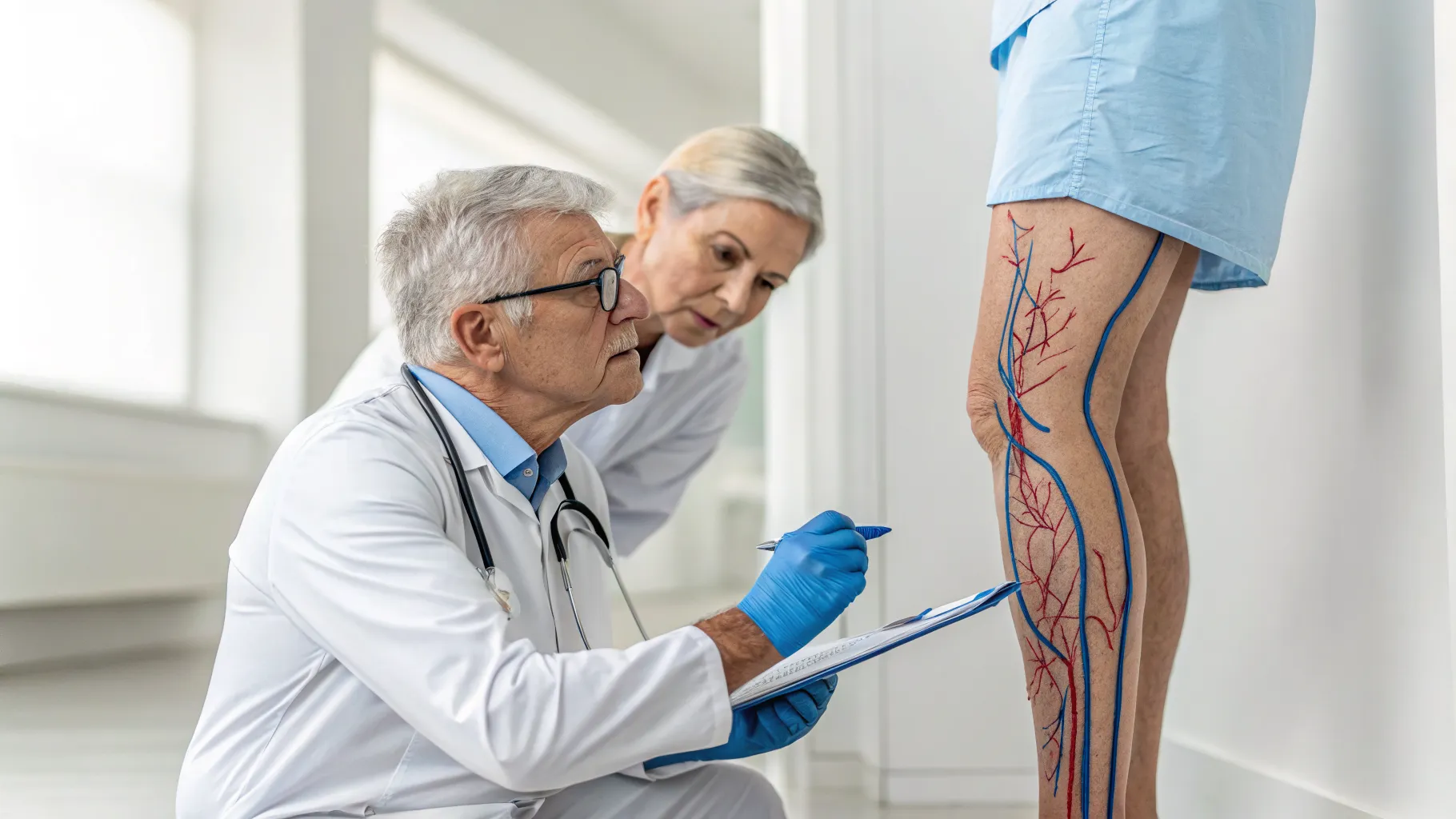
Unpacking the Primary Varicose Vein Causes
The development of varicose veins is often multifactorial, stemming from conditions that increase pressure on the veins in the lower body. The fundamental issue lies with the tiny valves inside the veins. When these valves weaken or become damaged, they fail to close properly, allowing blood to flow backward and pool. This process, known as venous reflux, increases pressure, causing the veins to stretch, twist, and bulge. Several risk factors contribute to this condition. Genetics plays a significant role; if your close family members have varicose veins, your risk is substantially higher. Age is another critical factor, as veins naturally lose elasticity and their valves weaken over time. Hormonal changes, particularly during pregnancy, puberty, and menopause, can relax vein walls, contributing to the list of varicose vein causes. Additionally, factors like obesity, which adds pressure to the veins, and occupations requiring prolonged periods of standing or sitting can impede healthy blood flow and are considered major varicose vein causes.
Recognizing Key Varicose Veins Symptoms
While the most apparent sign is the visible, gnarled veins, the varicose veins symptoms can extend to physical discomfort that impacts daily life. Many individuals experience a persistent aching or heavy feeling in their legs, often worsening after long periods of inactivity or at the end of the day. Swelling in the lower legs, ankles, and feet is also a common complaint. Other troubling varicose veins symptoms include throbbing or muscle cramping, particularly at night. Itching around one or more of the veins is another frequent sign. In more advanced cases, the skin over the affected area may become discolored, dry, or thin, potentially leading to venous ulcers, which are open sores that are slow to heal. Recognizing these symptoms early is crucial for seeking timely diagnosis and exploring available vein treatment options before the condition progresses.
A Deep Dive into Modern Varicose Vein Treatments
The field of phlebology has evolved dramatically, offering numerous minimally invasive and highly effective varicose vein treatments. The choice of treatment depends on the severity of the condition, the patient's overall health, and the specific veins affected. A consultation with a vein specialist is essential to determine the best course of action from the available vein treatment options. Below are some of the leading procedures used today.
Sclerotherapy
Sclerotherapy is a popular choice for smaller varicose and spider veins. This procedure involves injecting a special solution directly into the vein, which causes the vein lining to scar and collapse. The blood then reroutes through healthier veins, and the collapsed vein is reabsorbed into local tissue and eventually fades. It's a cornerstone of modern varicose vein treatments.
Endovenous Laser Ablation (EVLA)
EVLA is a highly effective treatment for larger varicose veins, such as the great saphenous vein. Using ultrasound guidance, a thin laser fiber is inserted into the damaged vein. The laser delivers heat energy, which causes the vein to close and seal shut. This is one of the most successful and widely used vein treatment options available.
Radiofrequency Ablation (RFA)
Similar to EVLA, RFA uses heat to close a diseased vein, but it utilizes radiofrequency energy instead of a laser. A catheter is inserted into the vein, and the energy heats and damages the vein wall, causing it to collapse and seal. This method is another excellent choice for treating larger veins and is a key part of learning how to treat varicose veins effectively.
How to Treat Varicose Veins with Lifestyle Changes
While medical procedures are often necessary for existing varicose veins, certain lifestyle adjustments can alleviate symptoms, prevent new ones from forming, and support the success of professional treatments. These strategies focus on improving circulation and reducing pressure on your veins. Understanding how to treat varicose veins at home is an empowering part of managing the condition.
- Regular Exercise: Engaging in low-impact activities like walking, swimming, and cycling helps pump blood from the legs back to the heart, improving circulation and toning calf muscles.
- Weight Management: Maintaining a healthy weight reduces the excess pressure on your veins, which is one of the primary varicose vein causes.
- Leg Elevation: Elevating your legs above the level of your heart for 15-20 minutes several times a day can help reduce swelling and improve venous blood flow.
- Compression Stockings: These specially designed garments apply steady pressure to your legs, helping the veins and leg muscles move blood more efficiently. They are a fundamental component of conservative varicose vein treatments.
- Dietary Changes: A high-fiber, low-salt diet can prevent constipation and swelling, both of which can contribute to increased venous pressure.
A Comparative Look at Vein Treatment Options
Choosing the right treatment involves weighing factors like effectiveness, recovery time, and invasiveness. Modern vein treatment options like EVLA and RFA boast success rates of over 95% and are performed in an outpatient setting with local anesthesia, allowing for a quick return to normal activities. Sclerotherapy is ideal for smaller, more superficial veins but may require multiple sessions. Traditional surgical options like vein ligation and stripping are now reserved for very severe cases due to their longer recovery periods and higher risk of complications. Discussing all available vein treatment options with a specialist will ensure you receive a personalized plan tailored to your specific varicose veins symptoms and underlying causes.
Frequently Asked Questions
Are varicose veins considered dangerous?
For most people, varicose veins are primarily a cosmetic issue or cause mild discomfort. However, in some cases, they can lead to more serious problems like blood clots (thrombophlebitis), skin ulcers, or bleeding. It's important to monitor your varicose veins symptoms and consult a doctor if they worsen.
Can you completely prevent all varicose vein causes?
While you cannot change genetic predispositions or the aging process, you can significantly lower your risk by managing controllable varicose vein causes. Maintaining a healthy weight, exercising regularly, and avoiding prolonged periods of standing or sitting can help prevent varicose veins or slow their progression.
What is the recovery time for modern varicose vein treatments?
Recovery is remarkably fast for most modern, minimally invasive varicose vein treatments. Patients undergoing procedures like EVLA, RFA, or VenaSeal can typically resume normal daily activities within a day or two. Wearing compression stockings for a week or more is usually recommended to ensure the best results.
References
- National Institute for Health and Care Excellence (NICE) Guidelines
- Society for Vascular Surgery Patient Resources
- American College of Phlebology Publications
- Journal of Vascular Surgery: Venous and Lymphatic Disorders