The Ultimate Cat Food Ranking Guide: Choosing the Best for Your Pet
Fast Facts:
- Nutritional Value: High-protein, grain-free options often rank highest.
- For discerning cat owners, understanding ingredient sourcing is a key trend.
Decoding Pet Nutrition: How to Navigate the Cat Food Maze
Choosing the right food for your feline companion can feel overwhelming with countless options on the market. That's where understanding cat food ranking becomes essential. A good ranking system doesn't just list popular brands; it delves into ingredient quality, nutritional adequacy, and brand transparency to help you make an informed decision. This guide will break down the criteria used to evaluate different products, providing you with a clear framework for your next cat food brand comparison and ensuring your cat gets the high-quality diet it deserves.
The Pillars of a Top-Tier Cat Food
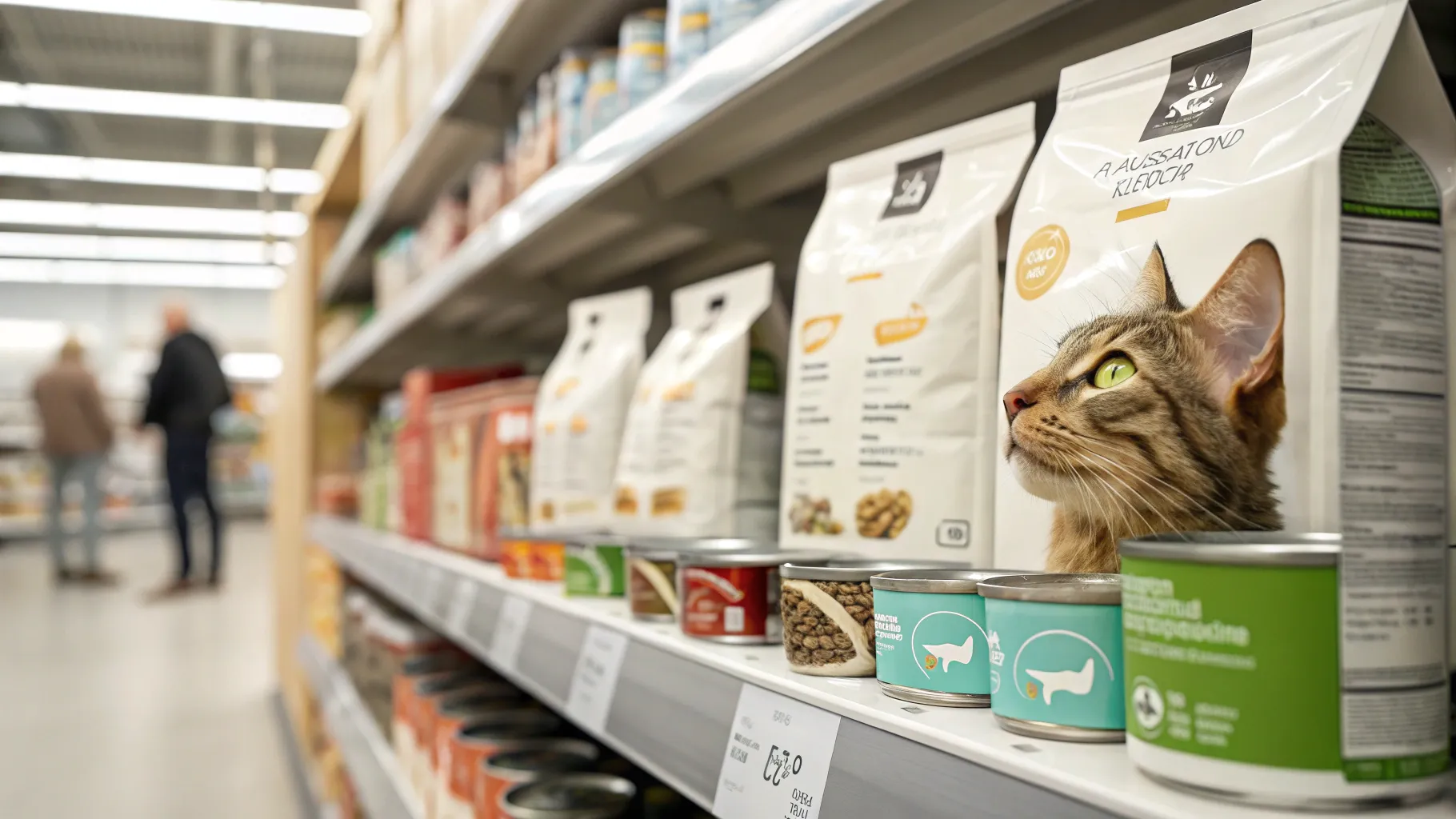
When experts create a cat food ranking, they look beyond clever marketing. The primary factor is the ingredient list. Cats are obligate carnivores, meaning they thrive on meat-based proteins. The top rated cat food products will always feature a named protein source like chicken, salmon, or beef as the first ingredient, not a vague 'meat by-product'. Furthermore, they evaluate the presence of unnecessary fillers like corn, wheat, and soy, which offer little nutritional value to cats and can sometimes trigger allergies. A balanced formula appropriate for your cat's life stage (kitten, adult, senior) is also a critical component of any comprehensive review.
How We Rank: The Criteria That Matter
Our methodology for creating cat food brands ranking is based on a multi-point inspection. We analyze the guaranteed analysis for protein, fat, and fiber content to ensure it meets AAFCO (Association of American Feed Control Officials) standards. We also investigate the brand's history, including recall information and manufacturing practices. Customer reviews and veterinarian recommendations provide valuable real-world insights into palatability and digestive tolerance. This holistic approach ensures that our rankings reflect not just what's on the label, but also the brand's overall commitment to pet health and safety.
Your Checklist for Choosing the Right Brand
- Check the First Ingredient: Ensure it's a whole, named meat source (e.g., deboned chicken, not meat meal).
- Analyze Protein Content: Look for high protein percentages, especially in wet food, to support lean muscle mass.
- Avoid Fillers: Steer clear of foods with large amounts of corn, soy, and artificial preservatives.
- Consider Life Stage: Select a formula specifically designed for your cat's age and activity level.
- Read Reviews: See what other cat owners are saying about the product's effect on their pets' health and energy.
Frequently Asked Questions
What is the most important factor in a cat food ranking?
The single most important factor is the quality and source of the protein. The first ingredient on the label should always be a specific, named meat, indicating a high-quality, carnivore-appropriate diet.
Is wet or dry food better for cats?
Both have their benefits. Wet food is excellent for hydration and often has a higher protein content, while dry food can be better for dental health and is more convenient. Many experts recommend a mixed diet.
How can I tell if a cat food brand is reputable?
Look for brands that own their manufacturing facilities, conduct rigorous quality control testing, and have a long history with minimal recalls. Transparency about ingredient sourcing is also a very good sign.
References
- Association of American Feed Control Officials (AAFCO) Guidelines
- Veterinary Nutrition and Pet Food Journals
- Independent Pet Food Consumer Reports