Can Vitamins Cause Dementia? Exploring the Link Between Supplements and Brain Health
As public interest in maintaining cognitive health grows, many people turn to vitamins and supplements hoping to protect their brain function as they age. This has led to important questions about the role nutrition plays in conditions like dementia. While certain vitamin deficiencies are known to negatively affect the brain, concerns have also been raised about the potential risks of taking too much. This article examines the science behind vitamins and dementia to provide a clear and balanced perspective.
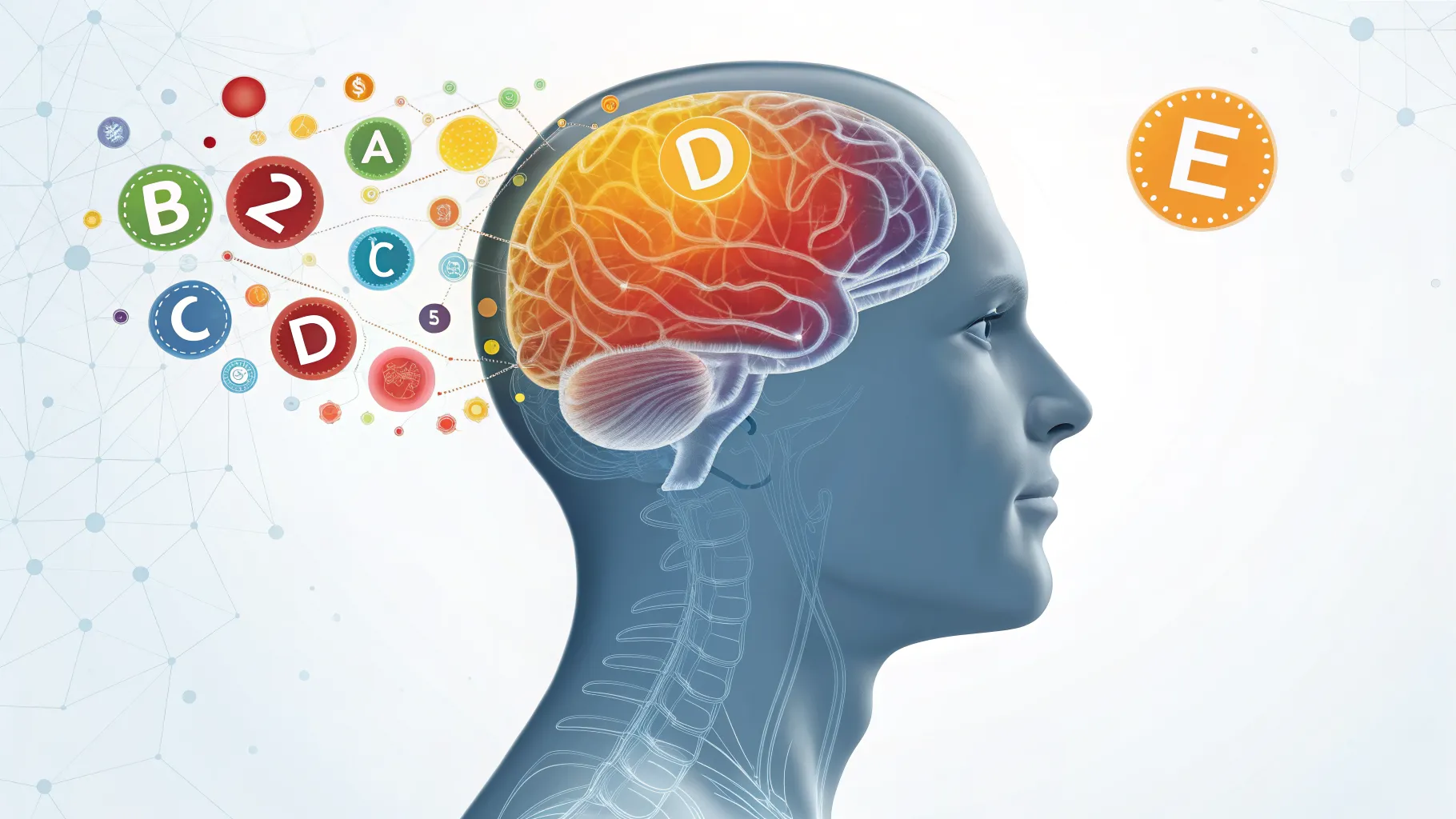
Understanding Dementia and Cognitive Health
Dementia is not a specific disease but a general term for a decline in mental ability severe enough to interfere with daily life. Symptoms can include memory loss, difficulty with language, and impaired judgment. Alzheimer's disease is the most common cause of progressive dementia in older adults, but other conditions can also be responsible. The underlying causes of most dementias involve damage to or loss of nerve cells and their connections in the brain.
Multiple factors contribute to the risk of developing dementia, including genetics, age, and lifestyle. In recent years, researchers have paid increasing attention to the role of nutrition. The brain is a highly metabolic organ that requires a steady supply of nutrients, including vitamins and minerals, to function properly. Disruptions in this supply, whether through deficiency or excess, can potentially impact long term cognitive health.
The Risk of Vitamin Deficiencies on the Brain
A well established connection exists between certain vitamin deficiencies and cognitive impairment. The body needs a full spectrum of nutrients to maintain healthy nerve cells and support brain function. When specific vitamins are lacking, it can lead to neurological symptoms that may mimic or increase the risk of dementia.
Key vitamins to consider in this context include:
- Vitamin B12: A deficiency in vitamin B12 is a well known cause of cognitive problems, including memory loss and confusion. This is particularly common in older adults, as the body's ability to absorb B12 from food can decrease with age. In some cases, addressing the deficiency can reverse the cognitive symptoms.
- Folate (Vitamin B9): Low levels of folate have also been linked to cognitive decline and an increased risk of dementia. Folate is crucial for brain health and the synthesis of neurotransmitters.
- Vitamin D: Research has suggested a correlation between low vitamin D levels and a higher risk of developing dementia. Vitamin D plays several roles in the brain, including supporting nerve growth and reducing inflammation.
Can Taking Too Many Vitamins Be Harmful?
While deficiencies are a clear risk, the question of whether an excess of vitamins can cause harm is more complex. The body has mechanisms to excrete excess water soluble vitamins (like B vitamins and vitamin C), but fat soluble vitamins (A, D, E, and K) are stored in body fat and can build up to toxic levels. This condition, known as hypervitaminosis, can cause a range of health problems, some of which may affect the nervous system.
For example, extremely high doses of vitamin A can lead to a condition that includes symptoms like dizziness, headaches, and confusion. Similarly, while vitamin E is an antioxidant, some large scale studies have found that high dose vitamin E supplements might not be beneficial and could even pose risks in certain populations. While these toxic effects do not directly equate to causing a progressive condition like Alzheimer's, they highlight that more is not always better when it comes to supplementation.
A Closer Look at Specific Supplements and Dementia
The evidence surrounding vitamin supplements for preventing dementia is often mixed and inconclusive. Many studies have investigated the potential benefits of specific vitamins, but the results have varied, and a clear consensus has not yet emerged. It is important to look at the nuances of the research for individual vitamins.
For instance, early observational studies suggested that people with higher intakes of the antioxidant vitamin E had a lower risk of developing Alzheimer's disease. However, subsequent large scale clinical trials using high dose vitamin E supplements failed to show a clear benefit in preventing dementia and, in some cases, raised safety concerns. This highlights the difference between nutrients obtained from a whole foods diet and those taken as isolated, high dose supplements.
What Does the Broader Research Say?
Most major health organizations and dementia research bodies do not currently recommend any specific vitamin supplement to prevent dementia in the general population. Large scale reviews of scientific literature have generally concluded that there is insufficient evidence to support the use of supplements for this purpose. The focus of recommendations has shifted away from single nutrient supplements and towards a more holistic approach to health.
The consensus is that for individuals without a diagnosed deficiency, the most reliable way to obtain the necessary nutrients for brain health is through a healthy diet. Relying on supplements to compensate for poor dietary habits is not considered an effective strategy for long term health. It is always recommended to speak with a healthcare provider before starting any new high dose supplement regimen to discuss potential benefits and risks based on individual health needs.
Promoting Brain Health Through a Balanced Diet
Instead of focusing on individual supplements, many experts now emphasize the importance of overall dietary patterns for cognitive health. Diets that are rich in a variety of fruits, vegetables, whole grains, and healthy fats have been associated with better brain outcomes. These eating patterns provide a complex array of vitamins, minerals, antioxidants, and other compounds that work together synergistically.
Two diets often studied for their brain health benefits are the Mediterranean diet and the MIND diet. These diets emphasize:
- Leafy green vegetables and other vegetables.
- Berries, which are rich in antioxidants.
- Whole grains.
- Fish, as a source of omega 3 fatty acids.
- Lean proteins like poultry.
- Nuts and beans.
- Olive oil as a primary source of fat.
By focusing on a nutrient dense diet, individuals can ensure they are getting the vitamins and minerals their brain needs without the potential risks associated with excessive high dose supplementation. This approach supports not only cognitive function but overall physical health as well.