The Ultimate Guide to Body Lotions for Itchy Dry Skin: Find Relief
Facts:
- Over 30% of dermatology visits relate to dry, itchy skin.
- A growing trend for body care involves using microbiome-friendly ingredients.
Finding Lasting Relief: A Deep Dive into Body Lotions for Itchy Dry Skin
Dealing with persistently dry and itchy skin can be more than just a minor annoyance; it can impact your daily comfort and overall quality of life. The constant urge to scratch can lead to a frustrating cycle of irritation and skin damage. Fortunately, the solution often lies in finding the right body lotion itchy skin sufferers can rely on. This guide offers comprehensive itchy skin care information to help you understand the causes of your discomfort and select the most effective products. We will explore key ingredients, application techniques, and lifestyle adjustments to help you achieve lasting relief and restore your skin's health and hydration.
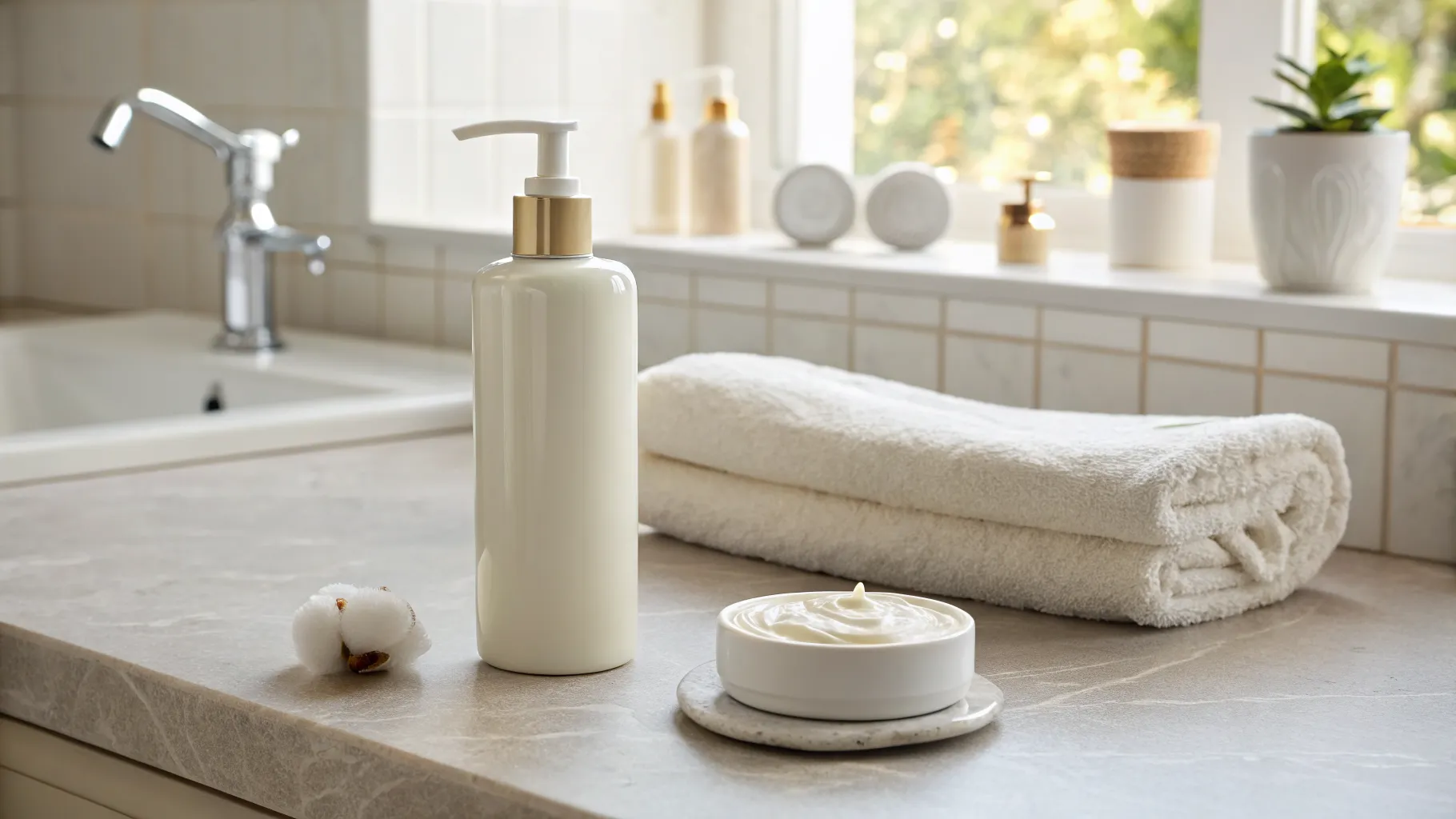
Key Ingredients in a Superior Skin Comfort Lotion
When searching for a body lotion for itchy dry skin, the ingredient list is paramount. Not all moisturizers are created equal, and certain components are specifically designed to soothe, hydrate, and repair the skin barrier. Understanding these key ingredients is crucial when exploring dry skin lotion topics and making an informed choice. Look for formulations that move beyond simple hydration and offer therapeutic benefits. Here is some essential body lotion information on what to look for.
Ceramides
Ceramides are lipids (fats) that are naturally found in the skin and are essential for maintaining its barrier. This barrier helps to lock in moisture and protect the skin from environmental irritants. When skin is dry and itchy, its ceramide levels are often depleted, leading to a weakened barrier. A lotion fortified with ceramides helps to replenish these lipids, strengthening the skin and reducing moisture loss.
Hyaluronic Acid
Known for its incredible ability to hold up to 1,000 times its weight in water, hyaluronic acid is a hydration powerhouse. It draws moisture from the air and locks it into your skin, providing a plumping and deeply hydrating effect. For dry, itchy skin, this ingredient offers immediate and lasting moisture without a heavy or greasy feel, making it an excellent choice for a skin comfort lotion.
Colloidal Oatmeal
A long-trusted ingredient for soothing irritated skin, colloidal oatmeal has anti-inflammatory and antioxidant properties. It forms a protective film on the skin's surface, which helps to reduce itching and calm redness. It is particularly effective for conditions like eczema and general skin sensitivity. Integrating this into your routine is excellent itchy skin care information to remember.
Proper Application Techniques for Maximum Relief
How you apply your body lotion itchy skin formula is almost as important as the product itself. Simply slathering it on once a day might not be enough to combat severe dryness and itching. Following a strategic application routine can significantly enhance the effectiveness of your chosen lotion and provide more consistent comfort. The goal is to lock in moisture and create a protective barrier that lasts.
- Apply to Damp Skin: The best time to moisturize is immediately after a shower or bath. Pat your skin gently with a towel, leaving it slightly damp. Applying lotion to damp skin helps to trap that water, providing deeper and more effective hydration.
- Be Generous and Thorough: Don't be shy with your lotion. Apply a generous amount and massage it gently into the skin until it is fully absorbed. Pay special attention to particularly dry or itchy areas like elbows, knees, and ankles.
- Moisturize Twice Daily: For chronically dry and itchy skin, moisturizing once a day is often not enough. Make it a habit to apply your skin comfort lotion in the morning and again before bed to keep your skin consistently hydrated and protected.
Lifestyle Adjustments to Support Healthy Skin
While an effective body lotion for itchy dry skin is a cornerstone of any treatment plan, certain lifestyle habits can either exacerbate or alleviate your symptoms. Integrating skin-friendly practices into your daily routine can amplify the benefits of your topical treatments. This holistic approach, a key part of many dry skin lotion topics, addresses skin health from the inside out.
First, consider your bathing habits. Long, hot showers can strip the skin of its natural oils, worsening dryness and irritation. Opt for lukewarm water and limit your bathing time to 10-15 minutes. Use a gentle, fragrance-free cleanser to avoid further irritation. Secondly, hydration is crucial. Drinking an adequate amount of water throughout the day helps to keep your skin hydrated from within. Lastly, pay attention to fabrics. Wear soft, breathable materials like cotton and avoid rough, scratchy fabrics like wool that can directly irritate sensitive skin.
Common Mistakes to Avoid When Managing Itchy Skin
In the quest for relief, it's easy to inadvertently make mistakes that worsen the condition. Being aware of these common pitfalls is vital body lotion information. One of the biggest errors is using products with fragrances, dyes, or harsh alcohols. These additives can be major irritants for sensitive, dry skin. Always opt for hypoallergenic and fragrance-free formulas. Another mistake is ignoring persistent symptoms. If your itching and dryness do not improve with a quality body lotion itchy skin product and lifestyle changes, it may be time to consult a dermatologist to rule out underlying conditions.
Frequently Asked Questions
Can a body lotion itchy skin formula be used on the face?
While some gentle body lotions may be safe for the face, it is generally not recommended. Facial skin is more delicate and has different needs. Body lotions are often thicker and can clog facial pores, potentially leading to breakouts. It's best to use a moisturizer specifically formulated for the face.
How quickly can I expect results from a new skin comfort lotion?
You may feel immediate, temporary relief from a good lotion. However, for long-term improvement in the skin's barrier and overall hydration, it typically takes 2-4 weeks of consistent, twice-daily use. The key is consistency and choosing a product with proven restorative ingredients.
Is there a difference between a cream and a lotion for dry skin?
Yes, the main difference is the oil-to-water ratio. Creams have a higher oil content, making them thicker and more occlusive, which is often better for very dry or compromised skin. Lotions have a higher water content, are lighter, and absorb more quickly. For severe itchy, dry skin, a cream is often the more effective choice, but a high-quality lotion can also be very beneficial.
References
- American Academy of Dermatology Association - Skincare for Dry Skin
- National Eczema Association - Moisturizer Guide
- Journal of Clinical and Aesthetic Dermatology - The Role of Moisturizers in Addressing Various Forms of Dermatitis