The Ultimate Guide to Body Lotions for Itchy Dry Skin
Facts:
- Over 60% of people report having sensitive, dry skin.
- A growing trend is the demand for fragrance-free skin comfort lotion.
Finding Lasting Relief: Your Guide to Soothing Itchy, Dry Skin
Dealing with persistently dry and itchy skin can be a frustrating and uncomfortable experience. The constant urge to scratch can disrupt your daily life and even lead to skin damage. The solution often lies in finding the right body lotion itchy skin sufferers can rely on. This isn't just about temporary moisture; it's about restoring your skin's natural barrier and providing long-term comfort. Understanding the ingredients and application techniques is crucial, and this guide will provide comprehensive body lotion information to help you make the best choice for your skin's health and finally achieve lasting relief.
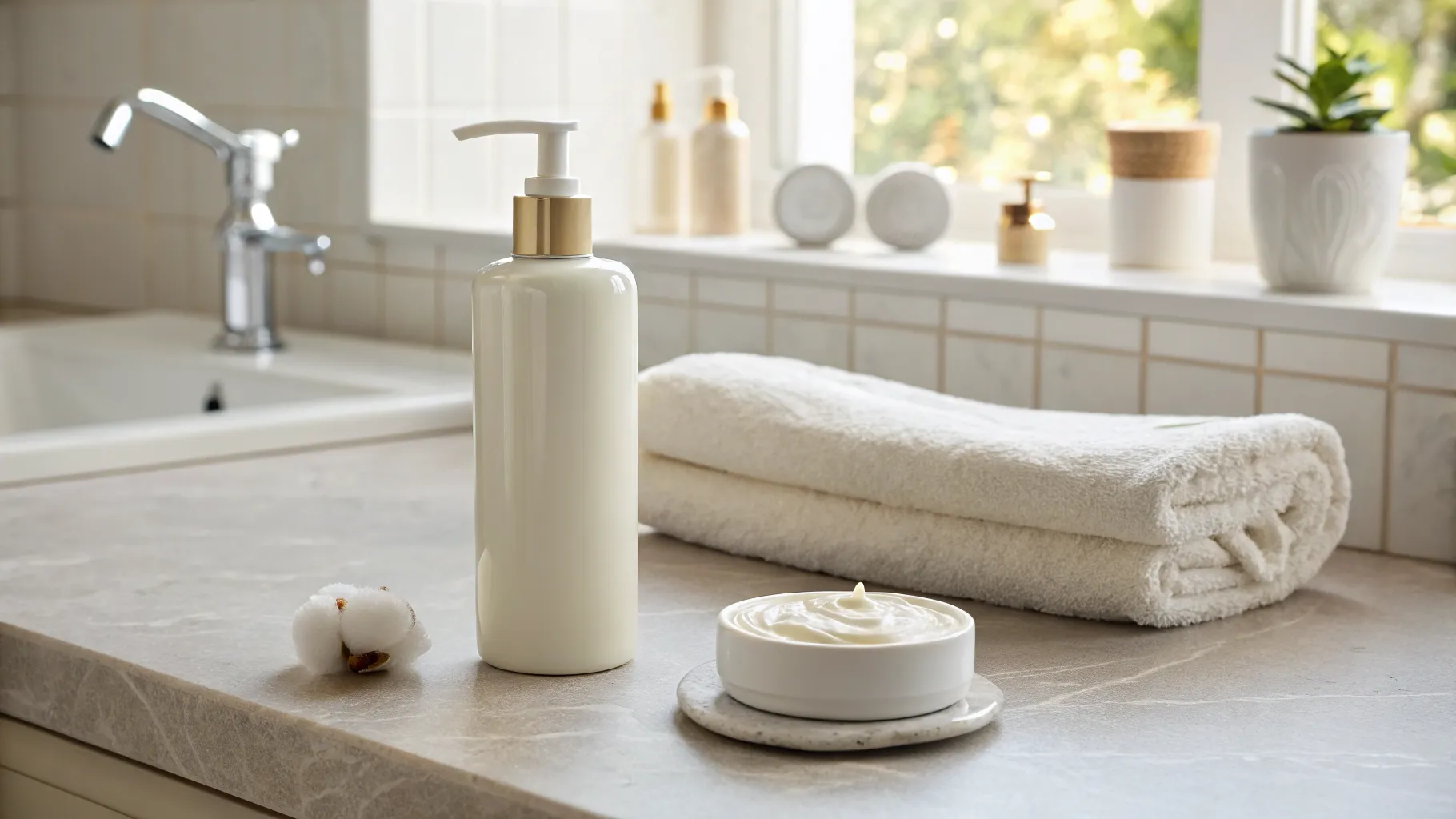
Key Ingredients in a Superior Skin Comfort Lotion
When you're browsing the aisles for a solution, the ingredient list is your most valuable tool. Not all lotions are created equal, and for itchy, dry skin, certain components are non-negotiable. Look for humectants, which draw moisture into the skin, and occlusives, which lock it in. Ceramides are lipids that are essential for restoring the skin's barrier, helping it to retain moisture and protect against irritants. Hyaluronic acid is a powerful humectant that can hold up to 1000 times its weight in water, providing intense hydration. Another excellent ingredient is colloidal oatmeal, which has been used for centuries to soothe inflammation and itching. For anyone seeking quality itchy skin care information, knowing these key ingredients is the first step towards effective treatment.
The Best Application Techniques for Itchy Skin Relief
How you apply your body lotion is almost as important as the product you choose. To maximize benefits and provide immediate comfort, timing and technique are everything. The best time to apply a body lotion itchy skin product is immediately after a lukewarm shower or bath. Pat your skin gently with a towel, leaving it slightly damp. This dampness helps to trap and seal in moisture as you apply the lotion. Use gentle, circular motions to massage the lotion into your skin, paying extra attention to particularly dry or itchy areas like elbows, knees, and shins. Don't be shy with the amount; your skin needs a generous layer to properly rehydrate. This routine is a cornerstone of many dry skin lotion topics and can make a significant difference in your skin's comfort level.
Lifestyle Adjustments: Essential Itchy Skin Care Information
While a quality lotion is crucial, your daily habits also play a significant role in managing dry, itchy skin. Hydration starts from within, so ensure you are drinking plenty of water throughout the day. Your diet can also impact skin health; foods rich in omega-3 fatty acids, like salmon and walnuts, can help improve the skin's lipid barrier. Furthermore, consider the environment around you. Dry indoor air, especially in winter, can leech moisture from your skin. Using a humidifier can add moisture back into the air, providing a more skin-friendly environment. Providing this type of holistic body lotion information is key to long-term management and achieving a truly comfortable state for your skin.
Comparing Creams, Lotions, and Ointments for Dry Skin
Navigating the world of moisturizers can be confusing. The main difference between lotions, creams, and ointments is their water-to-oil ratio. Lotions have the highest water content, making them lightweight and easy to spread, which is great for general, all-over body use. Creams are thicker and contain a balanced mix of oil and water, providing more substantial hydration for very dry areas. Ointments are the most occlusive, with the highest oil content, making them ideal for extremely dry, cracked, or compromised skin as they form a powerful protective barrier. When exploring dry skin lotion topics, understanding this spectrum is vital. For moderate itchiness, a rich cream might be perfect, while a lighter skin comfort lotion may suffice for daily maintenance.
Common Mistakes to Avoid When Managing Itchy Skin
In the quest for relief, it's easy to make mistakes that can worsen the condition. One of the biggest culprits is taking long, hot showers. Hot water strips the skin of its natural oils, exacerbating dryness and itchiness. Opt for short, lukewarm showers instead. Another common error is using products with harsh fragrances, dyes, or alcohols, which can be major irritants. Always look for products labeled 'fragrance-free' and 'for sensitive skin'. Finally, avoid overwashing. While cleanliness is important, excessive use of soap can disrupt the skin's pH balance. Following this expert itchy skin care information will help you avoid these pitfalls and get closer to comfortable, healthy skin.
Frequently Asked Questions
How often should I apply body lotion for itchy skin?
For best results, you should apply a body lotion itchy skin formula at least once a day, and ideally twice. The most critical time is right after showering to lock in moisture. If you experience flare-ups or live in a dry climate, you may need to reapply to affected areas throughout the day.
Can the right skin comfort lotion cure my eczema?
While a high-quality skin comfort lotion is a fundamental part of managing eczema and can significantly reduce symptoms like itching and dryness, it is not a cure. It works by restoring the skin barrier and hydrating the skin. Eczema is a complex condition that may require medical treatment, so it's best to consult a dermatologist for a comprehensive plan.
What is the most important body lotion information for sensitive skin?
The most critical piece of body lotion information for sensitive skin is to choose hypoallergenic and fragrance-free products. Ingredients like ceramides, hyaluronic acid, and shea butter are generally well-tolerated and effective. Always perform a patch test on a small area of skin before applying a new product all over your body.
References
- The Role of Moisturizers in Addressing Various Kinds of Dermatitis: A Review
- National Eczema Association: Skincare Guidelines
- Journal of Clinical and Aesthetic Dermatology: The Science of Skin Hydration