The Ultimate Guide to Body Lotions for Itchy Dry Skin
Facts:
- Chronic dry skin, or xerosis, affects millions globally.
- A growing trend is the demand for fragrance-free, hypoallergenic skin comfort lotion.
Finding Relief: The Science Behind Lotions for Chronically Itchy Skin
Dealing with persistently dry, itchy skin can be a frustrating and uncomfortable experience. It's a common issue that sends many people searching for a solution that provides lasting relief. The key lies in understanding that not all moisturizers are created equal, especially when it comes to soothing irritated skin. An effective body lotion itchy skin is formulated not just to hydrate, but also to repair the skin's natural barrier and calm inflammation. This article provides essential itchy skin care information to help you choose the right products and adopt habits that promote healthy, comfortable skin.
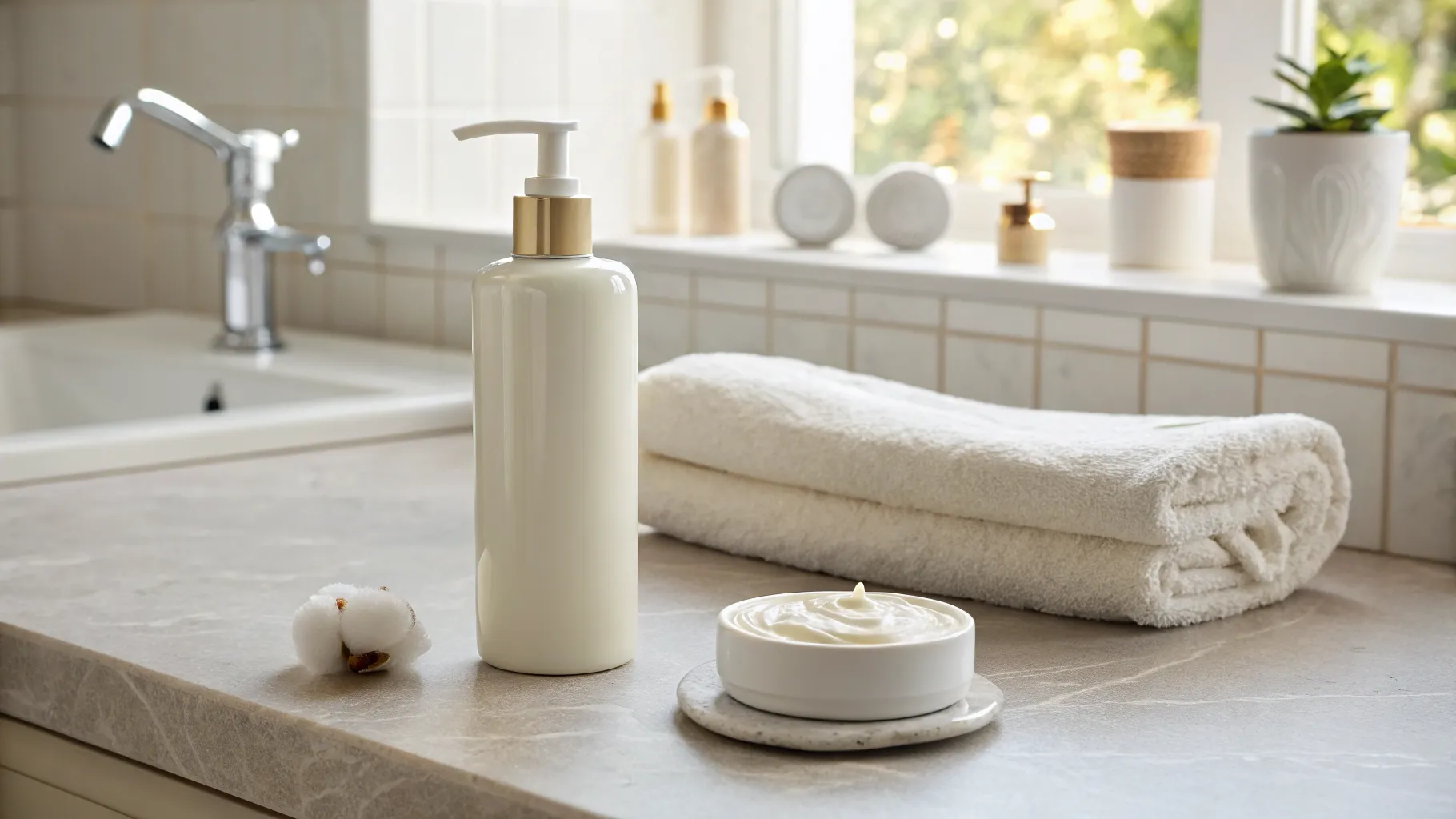
Key Ingredients in a Superior Skin Comfort Lotion
When you're exploring dry skin lotion topics, the ingredients list is the most crucial part. A truly effective skin comfort lotion will contain a blend of humectants, emollients, and occlusives that work together to restore skin health. Humectants like hyaluronic acid and glycerin draw moisture from the air into your skin. Emollients, such as ceramides, shea butter, and fatty acids, fill in the gaps between skin cells, smoothing the surface and helping to repair the skin barrier. Finally, occlusives like petrolatum and lanolin create a physical barrier on the skin to prevent water loss. For itchy skin specifically, ingredients like colloidal oatmeal, niacinamide, and licorice root extract are superstars for their calming and anti-inflammatory properties. This essential body lotion information helps you become a more informed consumer.
The Best Application Techniques for a Body Lotion Itchy Skin
How you apply your lotion is almost as important as which one you choose. To maximize the benefits of your body lotion itchy skin, it should be applied to damp skin, ideally within three to five minutes of showering or bathing. This technique, often called the 'soak and seal' method, traps moisture in the skin before it can evaporate. Use lukewarm water for your shower, as hot water can strip the skin of its natural oils, exacerbating dryness and itching. Pat your skin gently with a towel, leaving it slightly damp, and then apply a generous amount of your chosen lotion. Don't be afraid to reapply throughout the day if you feel your skin becoming dry or tight, especially on problem areas like elbows, knees, and hands. This is vital itchy skin care information for achieving lasting relief.
Lifestyle Adjustments to Support Your Skincare Routine
While a quality lotion is your first line of defense, certain lifestyle habits can significantly impact your skin's health. Staying hydrated by drinking plenty of water throughout the day helps hydrate your skin from the inside out. Additionally, using a humidifier in your home, especially during dry winter months, can add moisture to the air and prevent your skin from drying out. It's also wise to pay attention to your clothing. Opt for soft, breathable fabrics like cotton and avoid wool or synthetic materials that can irritate sensitive skin. Reviewing these dry skin lotion topics and integrating them into your life can make a substantial difference. Proper body lotion information goes beyond the bottle and includes a holistic approach to care.
Comparing Lotions, Creams, and Ointments for Dry Skin
Navigating the moisturizer aisle can be confusing. The primary difference between lotions, creams, and ointments is their water-to-oil ratio. Lotions have the highest water content, making them lightweight and easy to spread, which is good for general, all-over body use. Creams are thicker, with a more balanced blend of oil and water, providing more intensive hydration than a standard skin comfort lotion. Ointments have the highest oil content, making them very thick and occlusive, which is ideal for extremely dry, cracked, or compromised skin. For someone with significant itch and dryness, a cream or ointment is often a better choice than a light lotion, as it provides a more robust barrier to lock in moisture and protect the skin.
Common Mistakes to Avoid When Managing Dry, Itchy Skin
Even with the best products, certain mistakes can undermine your efforts. One of the biggest culprits is using harsh soaps or cleansers with sulfates, which strip the skin's protective oils. Always opt for a gentle, fragrance-free, soap-free cleanser. Another common error is over-exfoliating. While removing dead skin cells is beneficial, doing it too often or with harsh scrubs can damage the skin barrier. Finally, ignoring triggers is a significant misstep. Pay attention to whether certain detergents, fragrances, or even foods worsen your symptoms. Avoiding these triggers is a key piece of itchy skin care information that complements the use of a good body lotion itchy skin.
Frequently Asked Questions
How often should I apply a body lotion itchy skin?
For best results, you should apply your body lotion at least once a day, immediately after bathing to lock in moisture. However, if your skin is very dry or you live in a dry climate, you may need to reapply it two to three times daily or whenever your skin feels tight or itchy.
Can a skin comfort lotion cure conditions like eczema?
While a high-quality skin comfort lotion is a critical part of managing conditions like eczema by restoring the skin barrier and reducing symptoms like itching and dryness, it is not a cure. Eczema is a complex condition that often requires a multi-faceted approach, sometimes including prescription treatments from a dermatologist. The lotion works to control flare-ups and maintain skin health.
What is the most important piece of body lotion information for sensitive skin?
The most crucial piece of information is to always choose products that are labeled 'fragrance-free,' 'hypoallergenic,' and 'dermatologist-tested.' Fragrances and certain preservatives are common irritants for sensitive skin. It's also wise to perform a patch test on a small area of skin before applying a new product all over your body.
References
- American Academy of Dermatology Association
- National Eczema Association Journal
- Journal of Clinical and Aesthetic Dermatology
- International Journal of Cosmetic Science