Best Treatments for Spinal Stenosis in 2025 Explained
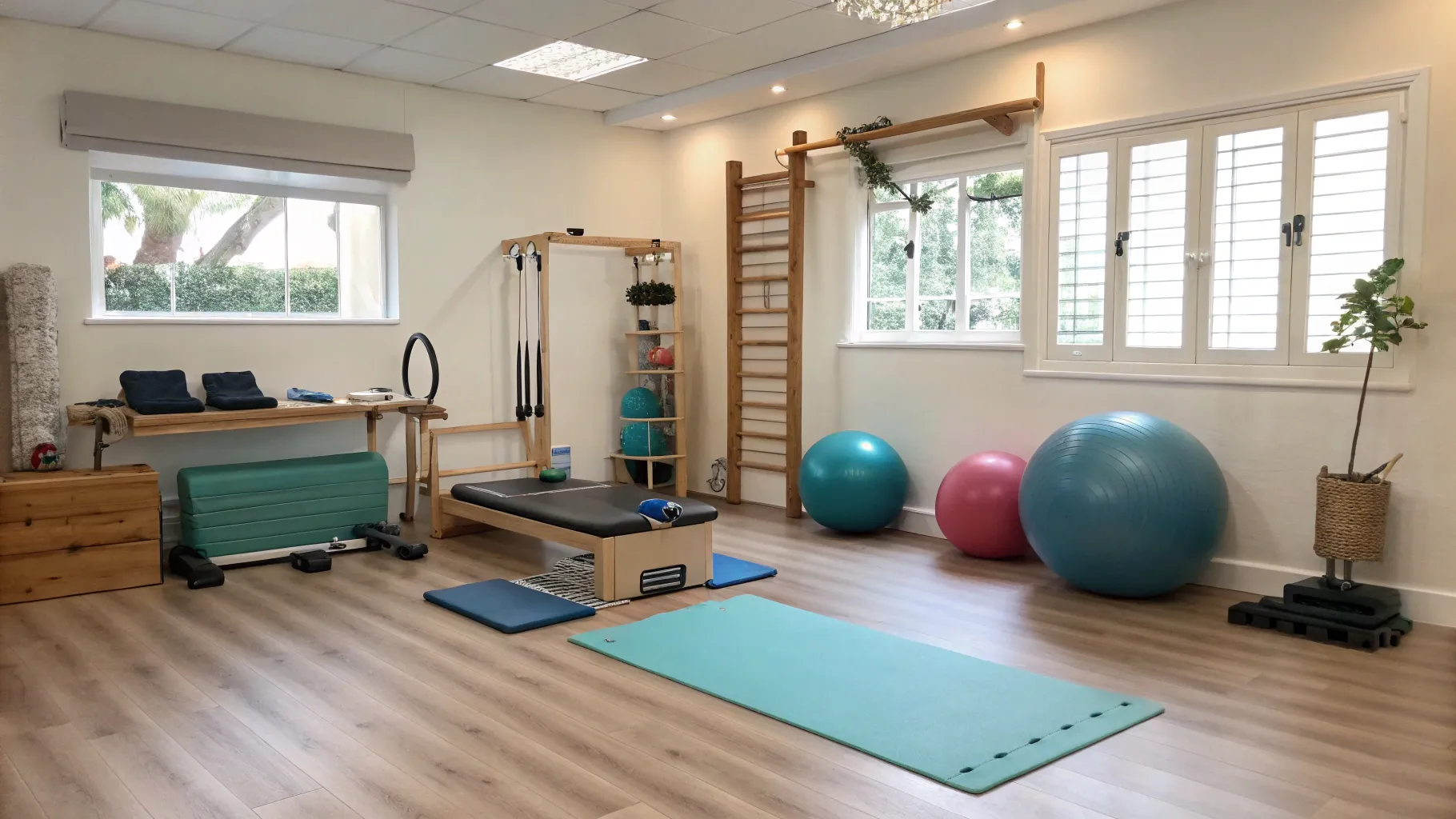
Best Treatment for Spinal Stenosis in 2025
Spinal stenosis is a prevalent condition affecting millions of adults, particularly those in their senior years. In 2025, it is crucial for individuals and their families to understand effective treatment options available to manage symptoms and enhance overall quality of life. This article explores contemporary non-surgical treatments, lifestyle modifications, and guidance on when to seek the help of a spine specialist.
Identifying Symptoms of Spinal Stenosis
The presentation of spinal stenosis symptoms can vary, often leading to confusion among patients. Common indicators of this condition include:
- Chronic Back Pain: Many patients experience enduring discomfort in the lower back.
- Numbness or Tingling: This sensation typically affects the legs and feet, creating a feeling of instability.
- Leg Weakness or Cramping: Some individuals report leg weakness, particularly while engaging in physical activity.
- Difficulty Walking: The narrowing of the spinal canal can lead to alterations in mobility and balance.
Recent studies indicate that over 80% of individuals aged 60 and older experience some form of spinal stenosis, highlighting the necessity for awareness and prompt action to alleviate symptoms.
Understanding Causes of Spinal Stenosis in Older Adults
As the body ages, its structures undergo changes that can contribute to spinal stenosis. The most significant causes include:
- Degenerative Disc Disease: Aging discs lose hydration and elasticity, leading to reduced cushioning and a constricted spinal canal.
- Bone Spurs: Osteoarthritis can cause bone spurs to form, encroaching upon the spinal canal and compressing nerves.
- Thickened Ligaments: Ligaments in the spine can thicken over time, reducing the space available for the spinal cord and nerves.
Understanding these causes allows healthcare professionals to tailor treatment approaches that address both symptoms and underlying issues.
Non-Surgical Treatments for Spinal Stenosis
For many patients, non-surgical interventions provide significant relief and improve daily functioning without the need for surgery. As of 2025, some of the most effective treatment options include:
- Physical Therapy: Customized exercise programs focus on strengthening core muscles and enhancing flexibility, which can support the spine and alleviate pain.
- Chiropractic Adjustments: Gentle and precise spinal adjustments can relieve nerve pressure and improve mobility.
- Medications: Non-steroidal anti-inflammatory drugs (NSAIDs) and topical creams can help alleviate pain and inflammation effectively.
- Corticosteroid Injections: These injections into the affected area can reduce inflammation surrounding the spinal nerves, providing relief for several months.
Patients should consult with their healthcare providers to develop personalized treatment plans that suit their specific needs. A study published in early 2025 indicated that patients engaging in physical therapy experienced a 40% decrease in pain levels over six months.
When to Consult a Spine Specialist for Spinal Stenosis
It’s important for patients to recognize when symptoms indicate a need for specialized care. Consider seeing a spine specialist if you experience:
- Severe Pain: If pain is persistent and unresponsive to rest or medication.
- Leg Weakness: Ongoing weakness or numbness in the legs can signify serious compression of spinal nerves.
- Bowel or Bladder Issues: Incontinence or loss of bowel control requires immediate medical attention.
- Significant Mobility Challenges: If daily activities become limited due to pain or discomfort, it is time to seek help.
A spine specialist may suggest imaging studies, such as MRIs or CT scans, to assess the severity of the condition and formulate an effective treatment strategy.
Walking Aids for Spinal Stenosis Patients
For those grappling with spinal stenosis, walking can often lead to discomfort. Fortunately, various walking aids are available that facilitate mobility while providing necessary support. In 2025, these aids include:
- Canes: These assist in maintaining balance and reducing strain on the lower back.
- Walkers: Adjustable walkers allow users to stabilize themselves while walking, which significantly enhances mobility safety.
- Orthotic Footwear: Specially designed shoes provide essential support to alleviate pain during movement.
A careful evaluation to choose the right walking aid can profoundly impact comfort and independence, enabling individuals to remain engaged in their daily lives.
Enhancing Quality of Life with Spinal Stenosis Management
The treatment landscape for spinal stenosis is evolving, with 2025 showcasing an array of advancements in both non-surgical and surgical options. Patients have a multitude of choices at their disposal when managing their condition. Engaging with healthcare practitioners and exploring the most appropriate treatments, including walking aids and lifestyle modifications, can significantly improve outcomes.
Recently, a survey revealed that many patients report enhanced quality of life and pain reduction through collaborative care approaches that emphasize patient empowerment and education. By making informed decisions about their treatment plans, individuals are better equipped to manage the challenges of spinal stenosis effectively.
Every patient’s journey with spinal stenosis is unique. Staying informed about the latest treatment options, actively participating in healthcare conversations, and adjusting lifestyle habits are crucial steps in navigating this condition successfully.
As you explore treatments for spinal stenosis, remember: understanding your options and collaborating with healthcare professionals are key to finding the relief you deserve.