The Ultimate Guide to the Best Room Heaters for Safe & Cozy Home Warming
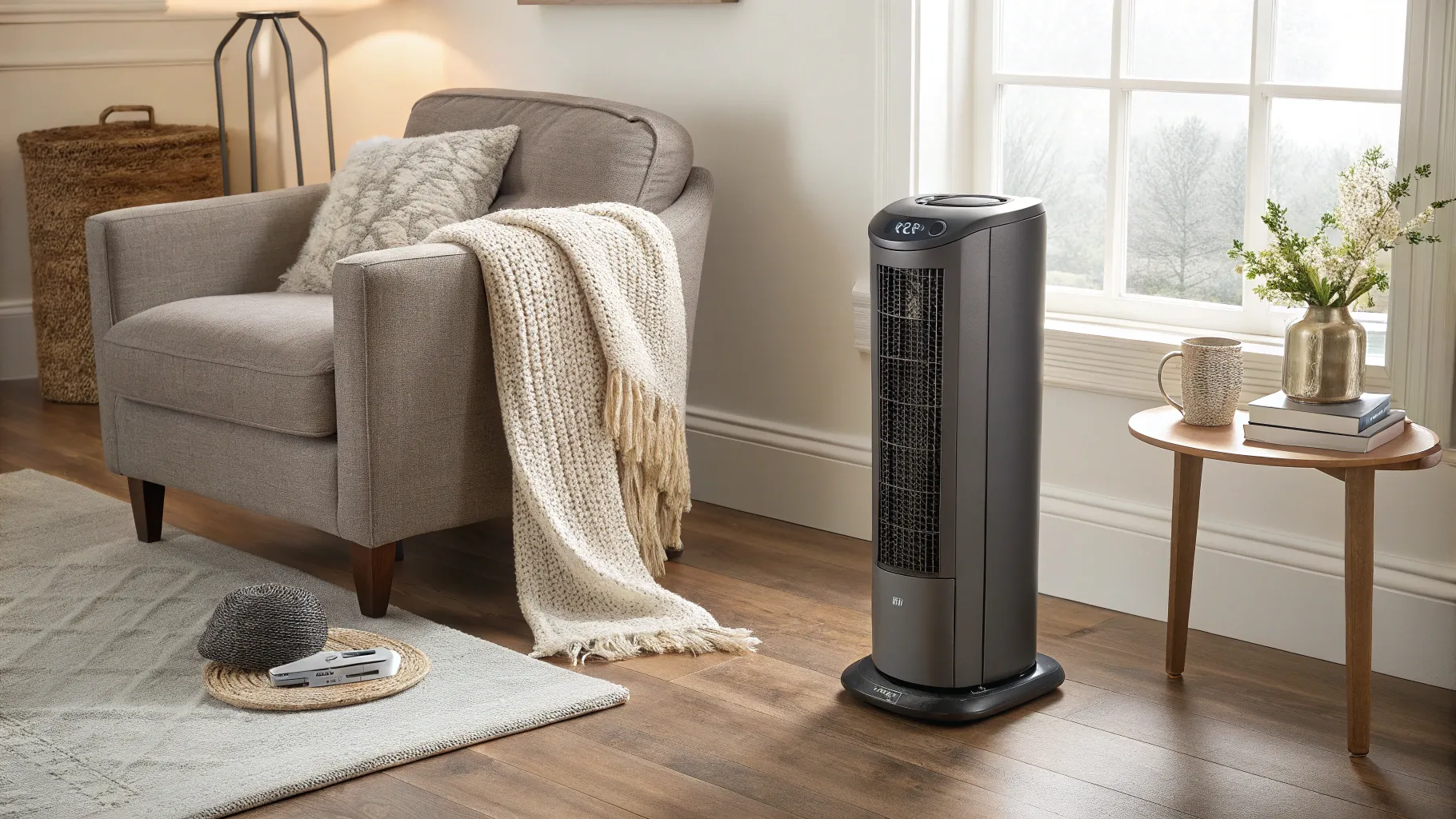
As the chill of winter sets in, finding an effective and safe way to keep your home warm becomes a top priority. A reliable room heater can transform a cold space into a cozy sanctuary, but with so many options available, making the right choice can be daunting. This comprehensive guide will walk you through everything you need to know, from understanding different types to crucial safety features, ensuring you find the perfect heating solution for your needs.
How to Choose a Safe Space Heater
Safety should always be the number one priority when selecting a heating appliance. Modern heaters come equipped with advanced safety features designed to prevent accidents. When evaluating your options, look for models that are certified by a recognized testing laboratory. Key features to prioritize include:
- Tip-Over Protection: This feature automatically shuts off the heater if it is accidentally knocked over, preventing a potential fire hazard.
- Overheat Protection: An internal sensor will turn the unit off if it reaches an unsafe temperature, which is essential for preventing internal damage and fires.
- Cool-Touch Housing: Heaters with a cool-to-the-touch exterior are ideal for households with children or pets, minimizing the risk of burns.
A Guide to Electric and Oil-Filled Room Heaters
The two most common types of portable heaters are electric and oil-filled. Understanding their differences is key to finding the best fit for your space and heating style.
Electric Heaters
Electric heaters provide quick, direct heat and come in several varieties. Convection heaters warm the air and circulate it, making them good for whole-room heating. Fan-forced heaters use an internal fan to blow air over a heating element, providing rapid warmth. Radiant or infrared heaters heat objects and people directly, similar to the sun's rays, which is efficient for targeted heating.
Oil-Filled Radiator Heaters
These heaters work by electrically heating a reservoir of thermal oil sealed inside the unit. The heated oil then radiates warmth into the room. While they take longer to heat up, they are known for providing silent, consistent, and long-lasting heat, as they continue to radiate warmth even after being turned off. They are an excellent, energy-efficient choice for bedrooms or living rooms where steady heat is desired.
Key Factors for the Best Room Heaters for Safe Home Use
Beyond the type of heater, consider these factors to ensure you select one of the best room heaters for safe home use. First, match the heater's wattage to your room size; a general rule is 10 watts of heating power per square foot. For a 150-square-foot room, a 1500-watt heater is typically sufficient. Also, look for heaters with adjustable thermostats and multiple heat settings to give you greater control over comfort and energy consumption.
Small Room Heater Options for Winter Comfort
For smaller spaces like home offices, bathrooms, or dorm rooms, compact heaters are a fantastic choice. These small room heater options for winter comfort are designed for portability and targeted heating. Look for personal ceramic heaters or compact fan heaters that offer powerful warmth without taking up much space. Many of these smaller models still include essential safety features like tip-over and overheat protection, providing peace of mind along with cozy warmth.
Room Heater Energy Efficiency and Safety Tips
Operating your heater efficiently and safely is just as important as choosing the right one. To maximize performance and minimize risks, follow these room heater energy efficiency and safety tips. Always place your heater on a flat, level, and hard surface, at least three feet away from flammable materials like curtains, bedding, or furniture. Never use an extension cord; plug the heater directly into a wall outlet. To save energy, use a model with a programmable timer or thermostat to heat rooms only when you're using them, and close doors to unoccupied areas to concentrate the heat where it's needed most.
References:
U.S. Department of Energy - Portable Heaters Safety
Consumer Reports - Space Heater Buying Guide
National Fire Protection Association - Heating Safety