Best Phones for Seniors Easy Features and Tips 2025
Learn About Phones for Seniors
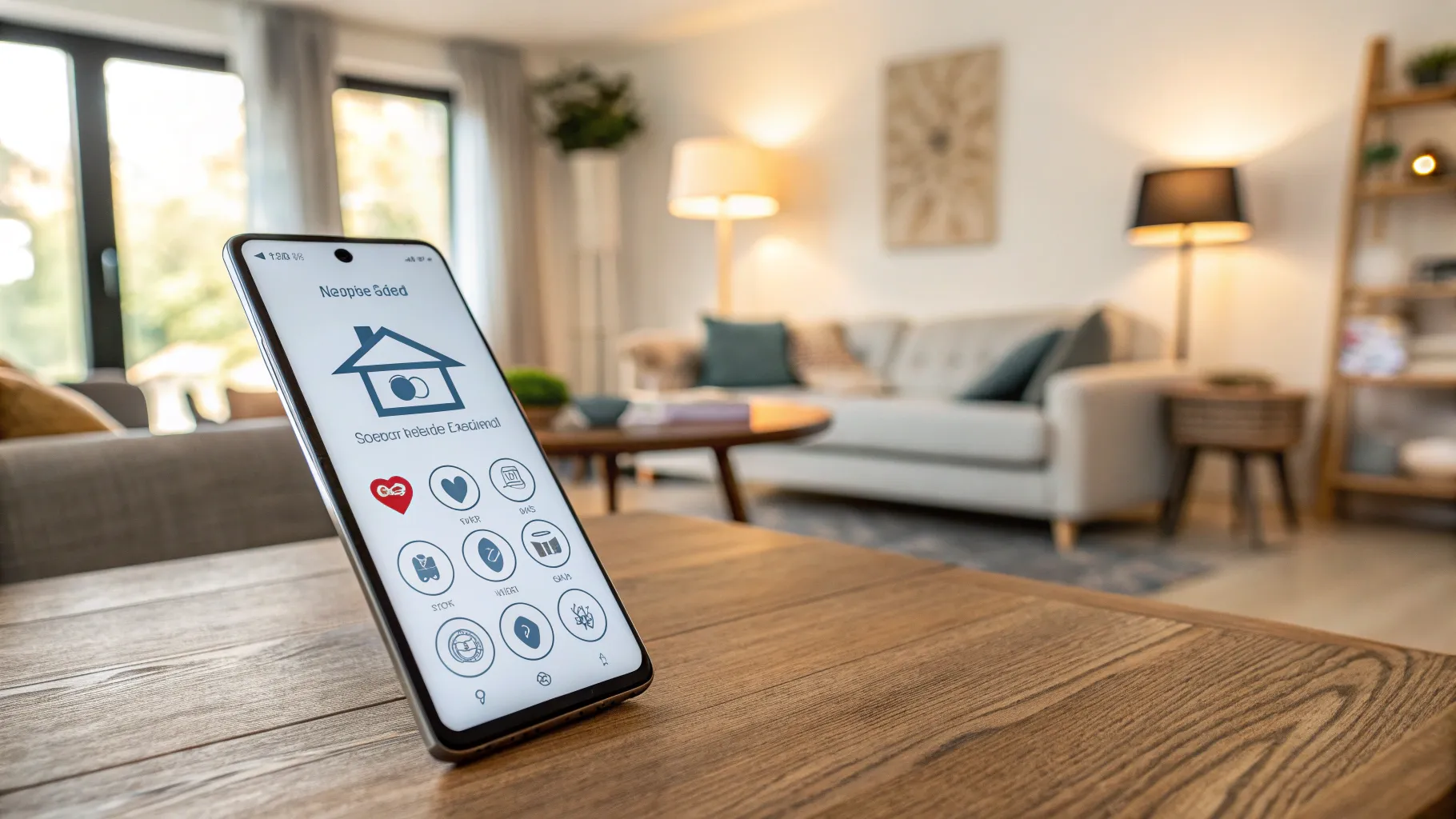
As we move through 2025, technology continues to evolve at a breakneck pace, and for older adults, navigating this landscape can sometimes feel overwhelming. However, the rise of smartphones designed specifically for seniors has made it easier for them to connect with loved ones, access information, and even manage health concerns. Understanding the best phone features for older adults is vital to embrace this change.
Best Phone Features for Older Adults
When considering phones for seniors, specific features stand out as particularly beneficial. More than just basic functions, these elements can significantly enhance the user experience, making communication feel effortless and enjoyable.
- Large Display: One of the main challenges that seniors face with technology is visibility. Phones with large screen sizes and high contrast settings allow older users to read texts and see images clearly without straining their eyes.
- Simple Interface: A cluttered screen can be intimidating. Phones designed for seniors often feature simplified menus with fewer options, making navigation straightforward. Intuitive designs empower seniors to feel confident in their usage.
- Enhanced Audio Quality: Many seniors experience hearing issues. Phones that include amplified sound, clearer audio, and speakerphone options help ensure that conversations are easily heard and understood.
- Large Buttons and Readable Text: Physical buttons that are larger and smartphones with adjustable text sizes can minimize frustration when dialing or reading messages.
- Emergency Features: Safety is paramount. Phones for seniors often come with dedicated SOS buttons or apps that allow users to quickly call emergency services or a trusted contact in times of need.
- Accessibility Options: This includes voice recognition capabilities and screen readers that assist users with impairments, transforming how seniors interact with their devices.
One remarkable model currently popular in 2025 is the Jitterbug Smart3, which comes with all of the features mentioned. Its straightforward design focuses on improving usability for older adults and has received stellar reviews since its release.
Easy-to-Use Cell Phones for Seniors
Finding an easy-to-use cell phone can significantly enhance the lifestyle of seniors. Communication is key, and a reliable phone represents a lifeline to the outside world.
The Samsung Galaxy A32 is a fantastic smartphone option for seniors seeking user-friendliness without sacrificing functionality. Its One UI offers an easy mode, which simplifies the home screen and larger icons, making it visible and manageable. Likewise, Apple’s iPhone SE continues to be favored for its accessibility features, particularly the VoiceOver function that assists visually impaired users by reading out text on the screen.
- Smartphone Basics: Modern smartphones come packed with applications that can enrich the lives of seniors. From social media to fitness tracking, smartphones are tools that, once learned, can open vast opportunities.
- Basic Cell Phones: For those who want to keep it simple, there are still flip phones available that cater specifically to seniors. These phones often feature text messaging, calling, and enhanced battery life without the complexity of smartphones.
Technology Tips for Seniors Using Mobile Phones
As seniors start using mobile phones more frequently, incorporating a few tech tips can help maximize their experience. A 2025 study revealed that 65% of seniors reported feeling more connected due to their mobile devices—this shows the importance of making those connections as seamless as possible.
- Practice Makes Perfect: Encourage seniors to spend time with their devices. With family members or friends guiding them through the functions, they can become more comfortable and confident with the technology.
- Keep Software Updated: Regular updates ensure that the phone operates efficiently and securely. Seniors should be guided on how to check for updates and install them when needed.
- Set Up FaceTime or Video Chat: Connecting through video calls can feel more personal. Showing seniors how to set up and use apps like FaceTime or Zoom keeps them engaged with family and friends.
- Utilize Note Apps: Simple note-taking apps can help seniors remember important medical appointments or grocery lists. Many smartphones come with built-in notes features that can simplify tasks.
- Encourage Use of Voice Commands: Many modern phones support voice commands, allowing seniors to make calls, send texts, or even search the web without needing to navigate much. This feature can ease the anxiety of handling devices and may prove invaluable.
Education is crucial, as seen in a project launched earlier this year, which provided technology workshops in community centers. The positive feedback highlighted increased confidence in using smartphones among seniors.
Moreover, smartphone manufacturers are consistently improving features targeted specifically at older adults. The ongoing evolution of these technologies, with updates driven by user feedback, means that 2025 is undoubtedly the best time for seniors to embrace mobile technology.
In summary, as seniors consider their mobile phone options this year, understanding which devices cater best to their needs can make all the difference. With the accompanying tips and knowledge about prominent devices, older adults can stay connected in a world that’s ever-changing.