Benefits of Dentures for Seniors Enhancing Quality of Life
Understanding the Benefits of Dentures for Seniors
As we age, our bodies undergo numerous changes, some of which can affect our oral health. For many seniors, tooth loss becomes a prevalent issue due to various factors like gum disease, decay, or trauma. Fortunately, one solution that has proven effective for older adults is dentures. These oral devices can dramatically improve the quality of life for seniors by providing not just aesthetic benefits, but also functional improvements that contribute to overall well-being.
Senior Denture Benefits
In 2025, more than 36 million Americans are reported to be edentulous (toothless), showcasing the evident need for proper denture support among seniors. Here are some critical benefits that dentures offer to this demographic:
- Improved Chewing Ability: With dentures, seniors can enjoy a more varied diet. Missing teeth often lead seniors to avoid certain foods that require adequate chewing. With prosthetic teeth, chewing becomes easier and more effective, enabling seniors to include nutritious foods in their diet, which can enhance their overall health.
- Enhanced Aesthetic Appearance: Tooth loss can significantly impact a senior’s self-esteem and confidence. Dentures restore a natural-looking smile, allowing seniors to speak and smile freely. According to recent surveys, 80% of seniors who use dentures reported increased satisfaction with their appearance.
- Ease of Maintenance: Unlike natural teeth, dentures do not require complex care routines or costly dental procedures. Regular cleaning with a soft brush and soaking in a cleaner can keep them in good shape. This simplicity can be a great relief for seniors managing multiple health issues.
- Support for Facial Structure: Dentures help maintain the shape of the face and jaw. When teeth are missing, the jawline can sag, leading to an aged appearance. Dentures assist in keeping the jaw properly aligned, hence preserving the facial structure.
Denture Comfort Ideas for Seniors
While dentures provide numerous benefits, comfort is pivotal for long-term success. Seniors often face challenges in adjusting to new oral devices. Here are some ideas to enhance denture comfort:
- Proper Fitting: It’s crucial for seniors to have well-fitting dentures. Ill-fitting dentures can lead to sore spots, difficulty speaking, and discomfort while chewing. Visiting a dental professional for regular adjustments ensures comfort and functionality.
- Denture Adhesives: The use of denture adhesives can significantly improve stability and reduce discomfort during eating or talking. Many types of adhesives are now available in the market, making the adjustment period with dentures smoother for seniors.
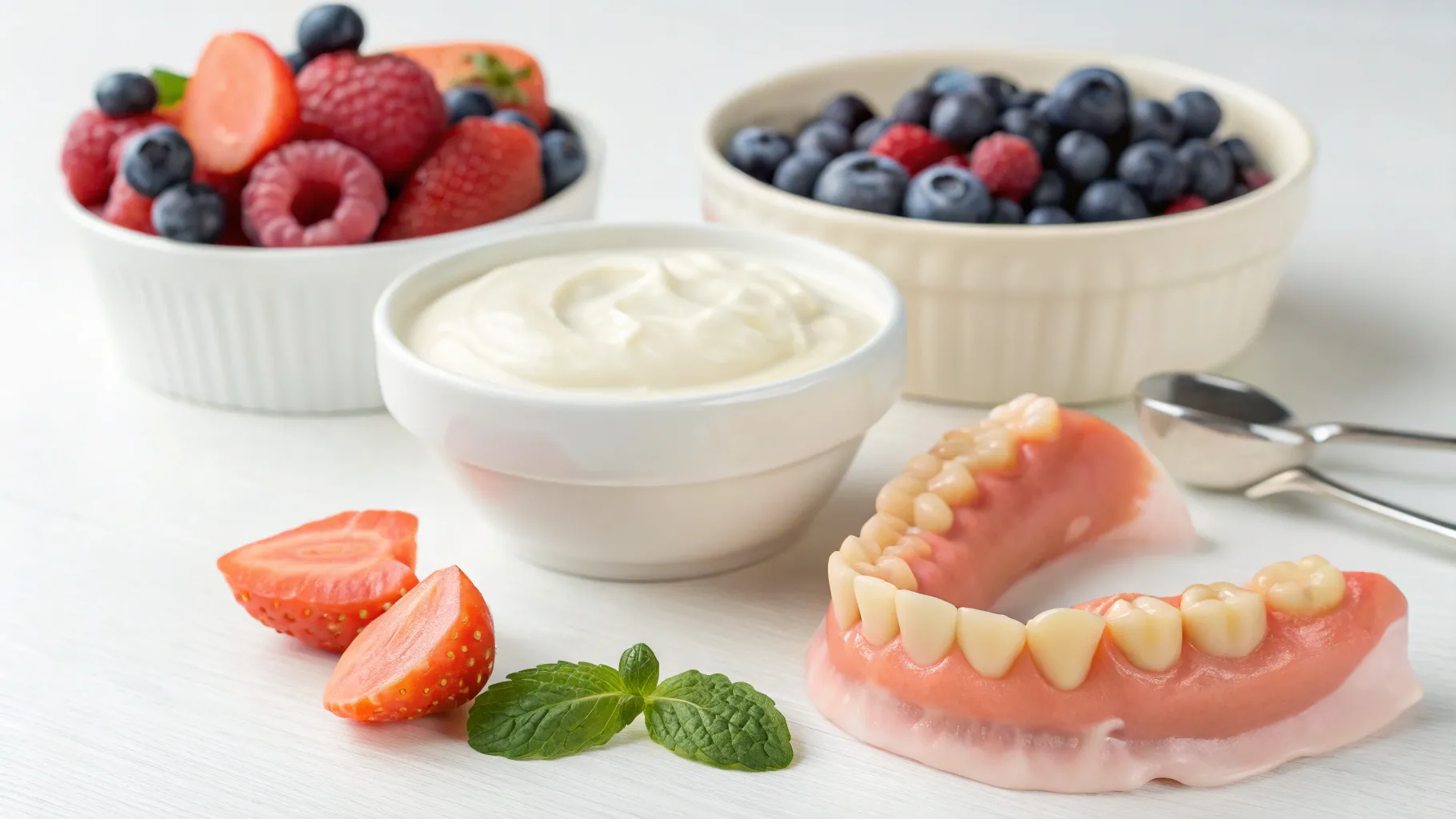
- Start with Soft Foods: When first getting used to dentures, seniors should consider starting with softer foods. This can help ease the transition; soft fruits, yogurt, and mashed potatoes can be a great starting point.
Oral Device Advantages
Beyond traditional dentures, seniors have access to various oral devices that can serve as viable alternatives or supplements. Here are some examples of these devices:
- Implant-Supported Dentures: These consist of a denture that is anchored securely in place by dental implants. This option offers superior stability compared to traditional dentures, greatly enhancing comfort and function.
- Partial Dentures: For seniors who still have some natural teeth, partial dentures can fill the gaps. They allow the individual to retain some natural teeth while providing support and restoring function.
Seniors Choosing Dentures: Case Studies
Real-world examples illustrate the significant advantages seniors gain by opting for dentures. Take the story of Martha, a 72-year-old retiree who lost most of her teeth due to advanced gum disease. Initially, Martha felt hesitant to consider dentures. However, after consulting with her dentist and understanding the senior denture benefits, she decided to make the change. Within weeks, she expressed her joy at being able to eat her favorite foods without pain and enjoyed engaging in social situations with newfound confidence.
Another noteworthy story is that of James, an 82-year-old widower. After losing his partner and facing tooth loss, James struggled with feelings of isolation. He decided to choose dentures to combat the physical and emotional implications of missing teeth. Post-treatment, not only did his health improve due to better nutrition, but he also felt empowered to connect with others again, remarking on how his new smile became a source of joy and confidence.
Denture Support Topics for Seniors
As more seniors consider dentures as a viable option for dental health, understanding the support systems and resources available is essential. Information sessions at local community centers or virtual workshops can provide valuable insights into denture care and adjustment tips. Many dental offices offer support groups for seniors with dentures, allowing them to share experiences and advice.
Furthermore, educational materials on maintaining oral hygiene can greatly benefit those with dentures. Regular follow-ups with dental professionals can also help in adapting to life with dentures, ensuring seniors receive proper maintenance and care of their oral devices.
The journey towards better oral health in later years is made easier through the use of dentures. As we've discussed, these devices provide seniors with a plethora of benefits ranging from improved functionality to enhanced self-esteem. By addressing comfort and support, seniors can truly embrace the positives that come with choosing dentures, ultimately leading to an enriched quality of life.