Stunning Backyard Garden Designs to Transform Your Outdoor Space
Facts:
- Over 70% of households engage in some form of gardening.
- The trend of 'rewilding' small sections is a top choice for backyard garden designs.
The Blueprint for Beauty: Mastering Outdoor Garden Planning
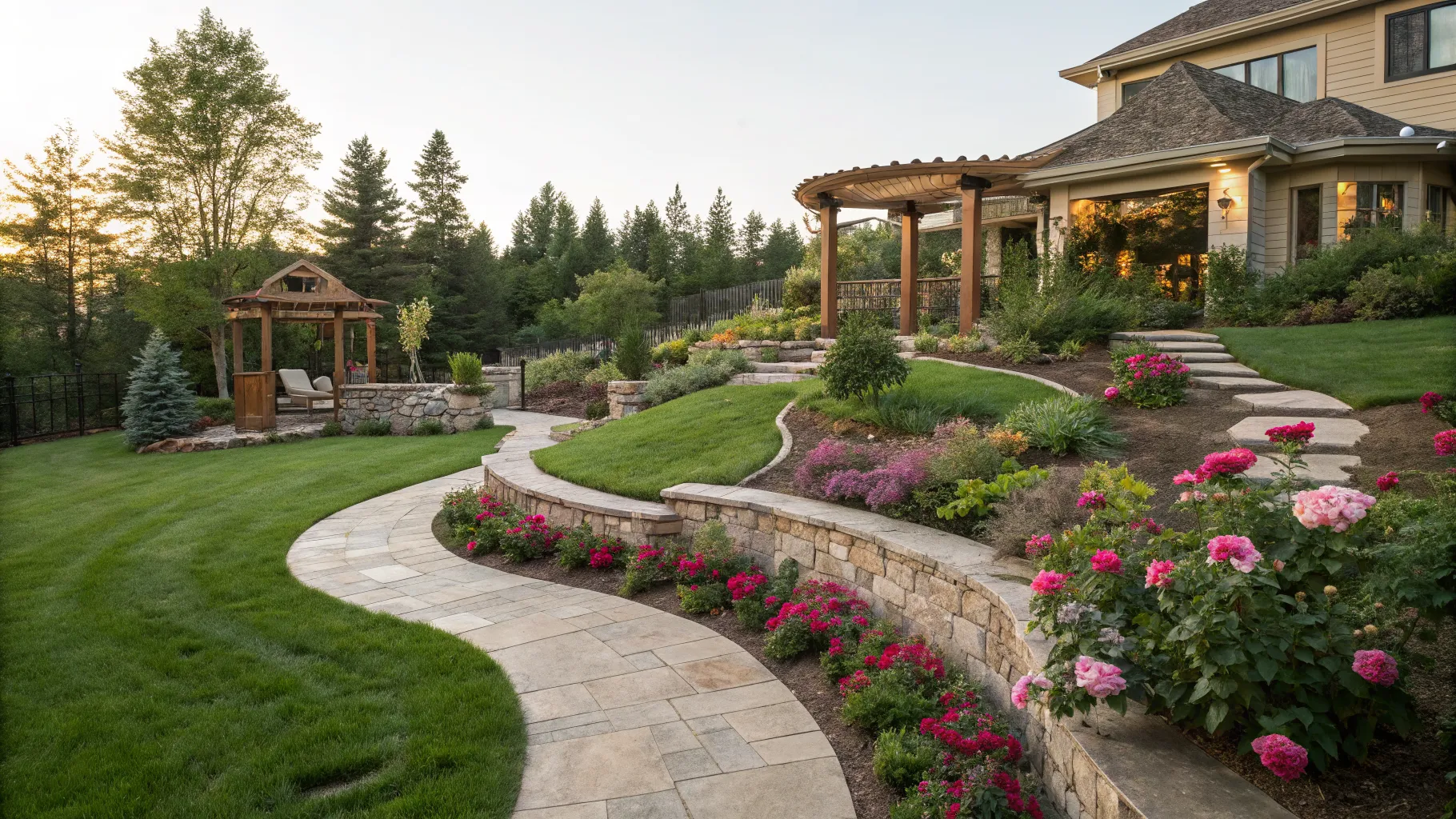
Creating a breathtaking outdoor sanctuary begins with a vision. Whether you have a sprawling lawn or a compact patio, the right backyard garden designs can transform your space into a personal retreat. This guide offers a deep dive into creative garden design ideas and practical backyard landscaping ideas to help you cultivate the garden of your dreams. Effective outdoor garden planning is not just about planting flowers; it's about crafting an experience, a harmonious blend of nature and structure that enhances your home and lifestyle. We will explore various styles and provide actionable garden layout inspiration to get you started.
Foundational Principles of Garden Design
Before you start digging, understanding a few core principles is crucial for successful outdoor garden planning. Unity is achieved by using a consistent theme or style throughout your garden. This could be through a recurring color palette, plant type, or material. Balance, whether symmetrical or asymmetrical, creates a sense of stability and visual pleasure. A formal garden might use symmetrical balance with identical plantings on either side of a path, while an informal cottage garden thrives on asymmetrical balance. Proportion ensures that elements relate well to each other in terms of size. A tiny fountain would be lost in a large yard, just as a massive pergola would overwhelm a small patio. These principles are the bedrock of all great backyard garden designs.
Popular Styles for Modern Backyard Garden Designs
Choosing a style provides a framework for your plant and material selections. It's the most exciting part of gathering garden layout inspiration. Let's explore some popular themes.
The English Cottage Garden
Characterized by its charming chaos, the cottage style is a dense mix of ornamental and edible plants. It favors traditional materials like brick and stone for pathways. This style is perfect for those who love a romantic, informal look and want a garden bursting with color and texture. It's one of the most beloved garden design ideas for its relaxed and inviting atmosphere.
The Modern Minimalist Garden
Modern backyard landscaping ideas often emphasize clean lines, geometric shapes, and a limited color palette. Hardscaping elements like concrete, metal, and sleek wood are prominent. Plantings are often structural and dramatic, such as ornamental grasses or sculptural agaves. This style is ideal for complementing contemporary architecture and for those who prefer a low-maintenance, high-impact design.
The Japanese Zen Garden
This style focuses on creating a tranquil and meditative space. It uses a minimalist approach with carefully placed rocks, water features, moss, and pruned trees like Japanese maples. The goal is to create a scene that mimics nature in a stylized way. It’s a powerful form of garden layout inspiration that prioritizes peace and serenity over vibrant color.
Essential Elements in Backyard Landscaping Ideas
A great garden is more than just plants. Integrating structural and functional elements is key to a cohesive design. Patios and decks create outdoor living rooms, providing space for dining and relaxation. Pathways guide movement through the garden and can be made from various materials like gravel, pavers, or wood to match your style. Water features, from simple birdbaths to elaborate ponds, add sound and movement, attracting wildlife. Finally, strategic lighting extends the enjoyment of your garden into the evening hours, highlighting key features and ensuring safety. Thoughtful integration of these elements is a hallmark of professional backyard garden designs.
Actionable Steps for Your Outdoor Garden Planning
Getting started can feel overwhelming, but breaking it down makes the process manageable. Here are practical steps to guide your outdoor garden planning journey:
- Assess Your Space: Before anything else, understand your site. Note the amount of sun and shade throughout the day, identify your soil type, and map out existing structures. This assessment is the critical first step in any successful backyard landscaping ideas.
- Define Your Goals: How do you want to use the space? For entertaining, for growing vegetables, for kids to play, or as a quiet retreat? Your goals will dictate the entire garden layout inspiration and design.
- Create a Bubble Diagram: Draw a rough sketch of your yard and draw bubbles for each functional area you desire (e.g., 'dining area', 'vegetable patch', 'play zone'). This helps you think about flow and placement without getting bogged down in details.
- Select a Style and Palette: Choose a theme like 'Modern' or 'Cottage' and a color palette for both plants and hardscaping materials. This ensures your backyard garden designs look unified and intentional.
- Phase Your Project: You don't have to do everything at once. Break your plan into smaller, manageable phases. Perhaps you build the patio in year one and tackle the flower beds in year two. This makes the project more affordable and less stressful.
Frequently Asked Questions
What is the first step in planning new backyard garden designs?
The very first step is assessment. You need to understand your space's conditions, including sunlight patterns, soil type, drainage, and existing features. This foundational knowledge will inform all your subsequent choices for your backyard landscaping ideas.
How can I make my small backyard look bigger?
To create the illusion of space, use vertical gardening techniques, choose a simple color palette, and create a clear focal point. Using curved pathways instead of straight ones can also make the garden feel larger by obscuring the full view at once, providing great garden layout inspiration.
What are some budget-friendly garden design ideas?
For budget-friendly options, consider using gravel for paths instead of expensive pavers, starting plants from seed, and buying smaller, younger plants. Mulching is an inexpensive way to make garden beds look tidy and improve soil health. Incorporating DIY projects can also save a significant amount of money in your outdoor garden planning.
References
- The Principles of Garden Design
- Landscaping and Home Value Reports
- Sustainable Gardening Practices Journal
- Modern Architectural Landscaping Review