Stunning Backyard Garden Designs: Ultimate Guide to Outdoor Garden Planning
Facts:
- A well-designed garden can increase property value by up to 20%.
- The latest trend for backyard garden designs is incorporating native, drought-tolerant plants.
Transforming Your Space: The Art of Outdoor Garden Planning
Embarking on the journey of creating a new garden is an exciting prospect. It’s an opportunity to craft a personal sanctuary, a place for relaxation, entertainment, and a connection with nature. Effective outdoor garden planning is the foundation of any successful project, turning a simple patch of land into a breathtaking extension of your home. Whether you have a sprawling lawn or a compact courtyard, the right backyard garden designs can maximize your space's potential, reflecting your personal style and meeting your functional needs. This guide will provide you with a wealth of garden design ideas and practical advice to help you get started.
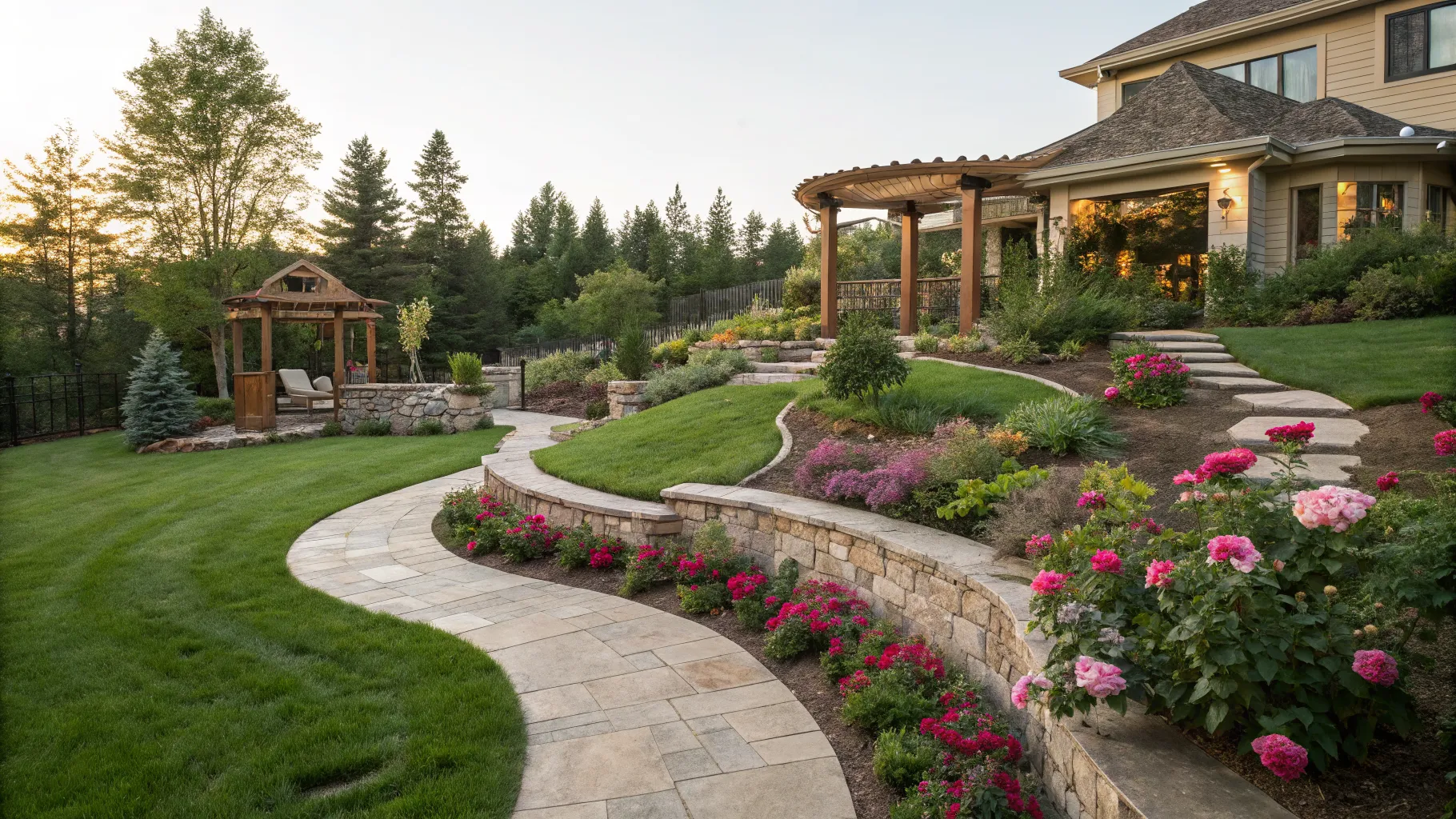
Popular Garden Design Ideas to Inspire You
Finding the right style is the first step in your creative process. Your choice will influence everything from plant selection to material palettes. Exploring various garden design ideas can spark your imagination and provide a clear direction. The goal is to create a cohesive look that complements your home's architecture and your lifestyle. Let's delve into some of the most sought-after styles that offer endless garden layout inspiration.
The Classic Cottage Garden
Cottage gardens are characterized by their charming, informal, and densely planted nature. This style embraces a romantic and slightly untamed aesthetic, featuring a mix of traditional flowers like roses, lavender, and foxgloves alongside edible herbs and vegetables. Pathways are often made of simple materials like gravel or brick, meandering through overflowing flowerbeds. This approach to backyard garden designs creates a sense of whimsy and abundance, perfect for those who love a vibrant, colorful, and productive space.
The Modern Minimalist Garden
For a sleek and contemporary look, the modern minimalist style is an excellent choice. This design emphasizes clean lines, geometric shapes, and a limited color palette. Materials like concrete, metal, and dark wood are common, creating a structured and sophisticated feel. Plantings are often strategic and sculptural, using grasses, succulents, and architectural plants to create visual interest. This is one of the most popular backyard landscaping ideas for urban homes, focusing on low maintenance and high impact.
The Sustainable & Edible Garden
Functionality meets beauty in a sustainable, edible garden. This design prioritizes growing your own food, composting, and conserving water through methods like rainwater harvesting and drought-tolerant planting. Raised beds are a key feature, making it easier to manage soil and crops. Integrating fruit trees, vegetable patches, and herb spirals provides both aesthetic appeal and a bountiful harvest. This approach to outdoor garden planning is not just a design choice but a lifestyle commitment to sustainability.
Key Elements in Backyard Landscaping Ideas
Successful backyard landscaping ideas are built on a foundation of well-thought-out elements that work together harmoniously. Beyond the plants themselves, features like pathways, patios, and focal points define the space and guide the eye. Hardscaping provides the garden's skeleton, while softscaping (the plants) fleshes it out. A balanced combination is crucial for creating a garden that is both beautiful and functional, offering a complete sensory experience. Proper planning ensures that every element serves a purpose, contributing to the overall garden layout inspiration.
Crafting Your Perfect Garden Layout Inspiration
The layout is the blueprint of your garden. It dictates how you move through and experience the space. When seeking garden layout inspiration, consider the core purpose of different zones. Do you need a dedicated area for dining, a quiet corner for reading, or an open space for children to play? Formal layouts often use straight lines and symmetrical patterns, creating a sense of order and elegance. In contrast, informal layouts use curved lines and organic shapes to foster a more natural and relaxed atmosphere. Combining these approaches can create dynamic and interesting backyard garden designs that cater to various activities while maintaining a cohesive flow.
Actionable Steps for Your Outdoor Garden Planning
Turning your vision into reality requires a clear, step-by-step plan. Proper outdoor garden planning will save you time, money, and frustration down the line. It involves careful consideration of your site, your budget, and your long-term goals. Follow these steps to ensure a smooth process.
- Assess Your Space: Analyze your yard's sun exposure, soil type, drainage, and existing features. Understanding your site's conditions is fundamental to choosing the right plants and materials for your backyard garden designs.
- Define Your Needs and Budget: Clearly list how you want to use the garden. Is it for entertaining, relaxation, or growing food? Set a realistic budget to guide your decisions on materials and scale.
- Gather Inspiration: Collect images and ideas that you love. This will help you define your preferred style and provides excellent garden layout inspiration when discussing your project with professionals or planning it yourself.
- Draft a Layout: Create a rough sketch of your garden, marking out different zones for patios, paths, planting beds, and other features. This visual plan is a critical part of successful backyard landscaping ideas.
- Select Plants and Materials: Choose plants that are well-suited to your climate and the specific conditions in your yard. Select hardscaping materials that align with your style and budget.
Frequently Asked Questions
How do I start planning backyard garden designs on a small budget?
Starting with a clear plan is key. Begin with a small, manageable area rather than trying to tackle the entire yard at once. Opt for younger, smaller plants which are less expensive and will grow over time. Utilize recycled materials for pathways or borders, and consider growing plants from seed. Focus on impactful but low-cost backyard landscaping ideas like adding a fresh layer of mulch or a simple container garden.
What are the most important elements of good garden design ideas?
Good garden design ideas balance unity, scale, balance, and rhythm. Unity is achieved through a consistent style and color palette. Scale ensures that elements like plants and structures are in proportion to the space and each other. Balance can be symmetrical (formal) or asymmetrical (informal), while rhythm is created through repetition of shapes and colors, guiding the eye through the garden. These principles are vital for all backyard garden designs.
How can I get more garden layout inspiration?
Look for garden layout inspiration everywhere! Visit local botanical gardens, browse online platforms like Pinterest, and look through gardening magazines. Pay attention to how different spaces are divided and how pathways direct movement. Analyzing public parks and even neighbors' yards can provide practical and inspiring ideas for your own outdoor garden planning.
References
- The Principles of Landscape Design
- Home & Garden Journal: Outdoor Living Trends
- Sustainable Gardening Practices Quarterly
- Urban Landscaping and Small Space Solutions