Avoiding Top 10 Camping Mistakes for Beginners Guide
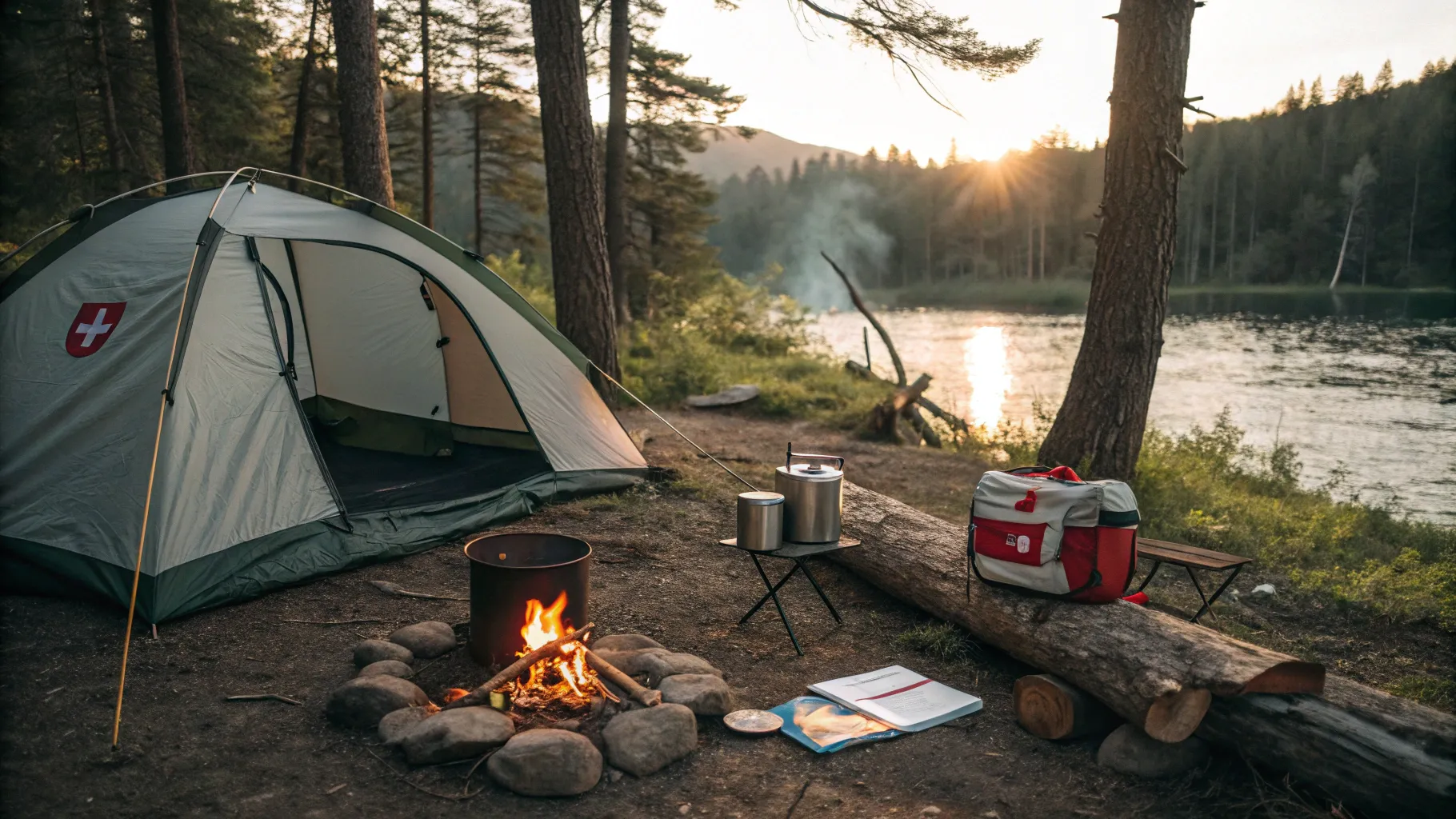
Top 10 Camping Mistakes Explained
Camping is a cherished outdoor activity that brings people closer to nature, and with the rise in popularity, especially after recent years, more novices are hitting the trails. However, this enthusiasm often leads to common errors that can turn an exciting adventure into a frustrating experience. In this educational guide, we delve into the 10 camping mistakes explained, what to know about common errors when camping, and how campers can avoid frequent challenges on trips.
1. Not Planning Ahead
One of the biggest camping mistakes beginners make is failing to plan their trip thoroughly. According to a recent survey, 65% of first-time campers attributed their poor experiences to inadequate preparation. Without planning, you might find yourself unprepared for weather changes, unaware of local wildlife, or even in the wrong campsite.
- Check weather forecasts
- Research the area for regulations
- Know the route and estimated travel times
By planning ahead, you can ensure a smoother and safer experience.
2. Packing the Wrong Gear
Your gear can make or break your camping experience. A common confusion among beginners is the difference between essential and luxury items. A poll conducted this year revealed that 58% of new campers tend to overpack or bring inappropriate equipment. Essential items include:
- Quality tent
- Sleeping bag appropriate for the season
- Cooking equipment
- First aid kit
When packing, ask yourself: is this necessary for my trip?
3. Forgetting Food and Water Safety
It’s easy to overlook food safety in the excitement of the outdoors. Improper food storage can lead to foodborne illnesses, which can ruin your trip. A recent report noted that 70% of camping groups had issues with spoiled food on their trips. Always remember to use coolers, store food high off the ground, and keep perishables in airtight containers. And don't forget to bring enough water, ideally two gallons per day per person.
4. Ignoring Campfire Safety
Campfires are often the heart of outdoor gatherings, but they can quickly become a serious hazard if not managed properly. In the past summer, over 15,000 wildfires were attributed to human error during campsite fires. Remember to:
- Build campfires in designated areas
- Keep water nearby
- Fully extinguish the fire before leaving
Following these practices not only keeps you safe but also protects wildlife and habitats.
5. Not Following Leave No Trace Principles
The ‘Leave No Trace’ principles are essential for protecting the environment when camping. Many campers still neglect these practices. Statistics show that 47% of campers leave traces of their visit visible at campsites, leading to environmental degradation. It’s crucial to:
- Pack out all trash
- Travel on marked trails
- Camp at least 200 feet away from lakes and rivers
By adhering to these guidelines, you help preserve nature for future generations.
6. Overestimating Physical Fitness
Camping often involves hiking, climbing, or biking, and underestimating physical demands can be tough on beginners. A survey revealed that 55% of first-time campers overestimated their ability to tackle tough trails. It’s essential to choose activities that match your skill level and gradually build up your endurance. Always listen to your body, and don’t hesitate to turn back if a trail is too challenging.
7. Neglecting to Check Permissions
Camping in certain parks or reserves often requires permits or reservations. A notable 40% of first-time campers found themselves in areas where they were not allowed to camp due to lack of permits. Always check regional regulations and secure necessary permits to avoid fines and ensure responsible camping.
8. Ignoring Insect Protection
During the summer months, insects can become a significant nuisance. New campers often underestimate the impact of mosquitoes and ticks; recent data indicates that 30% of campers report insect-related troubles. It’s essential to:
- Apply insect repellent liberally
- Wear appropriate clothing
- Check for ticks after hikes
These measures can keep discomfort at bay and ensure a more enjoyable experience.
9. Camping with the Wrong Company
Your camping companions can greatly influence your experience. It's critical to choose individuals who share similar interests, outdoor skills, and comfort levels. Anecdotal evidence from campers indicates that 45% of negative camping experiences stemmed from incompatible group dynamics. Ensure that everyone involved is on the same page regarding expectations, activities, and responsibilities.
10. Not Keeping Emergency Plans
Despite all precautions, emergencies can happen. Lack of a backup plan can lead to panic during unexpected situations. This year, nearly 20% of campers reported that they were unprepared for emergencies. Always have a communication plan, inform someone of your whereabouts, and keep emergency contact numbers handy. It’s smart to familiarize yourself with local emergency procedures to ensure a safe adventure.
By understanding these top camping mistakes outlined in this guide, you can prepare effectively for your next outdoor adventure. Embrace the great outdoors with confidence, ensuring a safe and enjoyable experience for you and your camping companions. Remember, the key to a successful camping trip lies in preparation, awareness, and respect for nature.