Approaches to Managing Menstrual Pain and Discomfort
Understanding Ways to Treat Period Pain
Period pain, scientifically known as dysmenorrhea, affects countless individuals every month. According to recent surveys, approximately 60 to 80% of menstruators experience some degree of discomfort during their menstrual cycle. Understanding ways to treat period pain can help individuals make informed choices about managing menstrual cramps and maintaining daily activities. This article explores methods for managing menstrual discomfort, ranging from over-the-counter medications to natural remedies.
How to Relieve Menstrual Cramps
Menstrual cramps can manifest as throbbing or dull pain in the lower abdomen, and for some, they can be severe enough to interfere with daily activities. Here’s how to relieve these painful symptoms safely:
- Over-the-Counter Pain Relievers: Nonsteroidal anti-inflammatory drugs (NSAIDs) like ibuprofen and naproxen are among the most commonly recommended treatments. They work by reducing inflammation and alleviating pain. Studies suggest that taking these medications at the onset of cramps can enhance their performance..
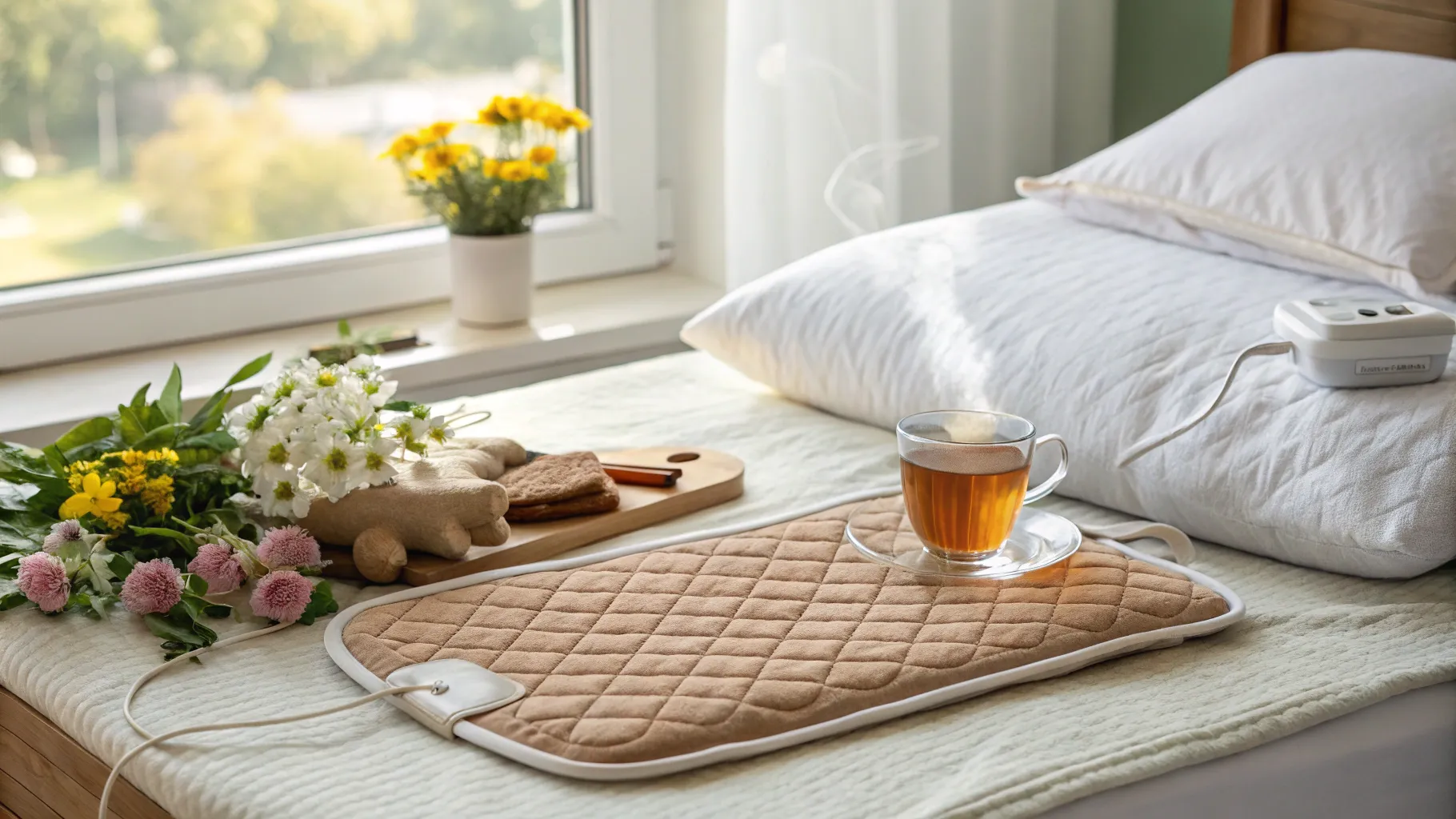
- Heat Therapy: Applying heat to the lower abdomen can provide soothing relief. Research published in a 2025 medical journal showed that a heating pad or hot water bottle improves blood flow and relaxes muscles, which can significantly reduce pain levels. Alternatively, a warm bath can also serve as a tranquil and relieved method for easing cramps.
- Exercise: It may seem counterintuitive, but engaging in light exercise can be beneficial in managing menstrual discomfort. Activities like walking, yoga, and stretching can elevate endorphin levels, which act as natural pain relievers. In a recent study, participants who exercised during their menstrual period reported lower pain levels and increased overall mood.
- Diet Adjustments: Incorporating anti-inflammatory foods into your diet can aid in managing period pain. Foods rich in omega-3 fatty acids, such as salmon and flaxseeds, can help reduce inflammation. Additionally, staying hydrated and minimizing salt and caffeine intake may help lessen bloating and discomfort.
- Herbal Remedies: A growing number of individuals are turning to natural remedies for menstrual cramps. Herbal treatments like ginger and cinnamon have shown potential in easing menstrual discomfort. Research highlights that ginger tea can significantly reduce pain intensity when consumed in the days leading up to menstruation.
For those who might be experiencing persistent or severe pain, it is essential to consider more specialized treatments. A healthcare provider can offer options ranging from hormonal contraceptives to other prescription medications tailored to individual symptoms.
Managing Emotional Symptoms
Alongside the physical sensations of period pain, many also contend with emotional symptoms, such as mood swings or anxiety. Understanding the connection between menstrual cycles and emotional wellbeing can pave the way for comprehensive symptom relief.
- Mindfulness and Relaxation Techniques: Practices such as yoga and meditation can help manage the psychological aspects of menstrual discomfort. Mindfulness has been shown to reduce stress and anxiety, potentially mitigating the emotional challenges that accompany menstrual pain.
- Support Networks: Engage with friends, family, or support groups to share experiences related to period pain. Talking about your symptoms can validate feelings and make coping easier. Online forums and community groups often provide platforms for individuals to exchange strategies and support each other.
- Vitamin Supplements: Some studies have pointed toward the potential benefits of vitamins in managing pain. For instance, vitamin B1 (thiamine) has been associated with reduced menstrual pain in certain studies. A recent human trial conducted in early 2025 showed encouraging results for participants taking supplemental magnesium during their cycles, leading to decreased cramping.
Natural Remedies for Menstrual Cramps
Pursuing natural treatments can be a suitable choice for those looking to avoid pharmaceuticals. Here’s a deeper dive into some notable natural remedies for menstrual cramps:
- Essential Oils: Aromatherapy with essential oils like lavender or clary sage has garnered attention for its calming properties. When diluted and massaged into the abdomen, these oils can provide not just physical relief, but uplift mood and alleviate stress.
- Acupuncture: This age-old Chinese medicine technique has been embraced by many as an alternative treatment for menstrual pain. Research studies in 2025 have revealed that acupuncture can help in reducing the severity of cramps, ultimately enhancing quality of life during menstruation.
- Magnet Therapy: Though more unconventional, some individuals find relief using magnetic therapy. The theory is that magnets can improve circulation and reduce pain. A recent survey indicated that approximately 22% of users reported decreased menstrual pain through regular use of magnetic bracelets or patches.
Understanding ways to treat period pain is an ongoing journey for many. It is important to explore different methods to determine what may work most appropriately for your needs. In this era, accessible information and diversified treatments allow menstruators to take charge of their health and well-being in an informed manner.
As we navigate the modern response to menstrual pain, knowledge about your body, along with proactive strategies, fosters empowerment. Remember, if symptoms are severe or changing, consulting a healthcare provider is always encouraged for personalized advice and treatment options.
Being proactive and informed not only helps in coping with menstrual discomfort, but also enhances overall quality of life, setting a precedent for a healthier future.