Affordable Meal Components for Seniors Eat Well on a Budget
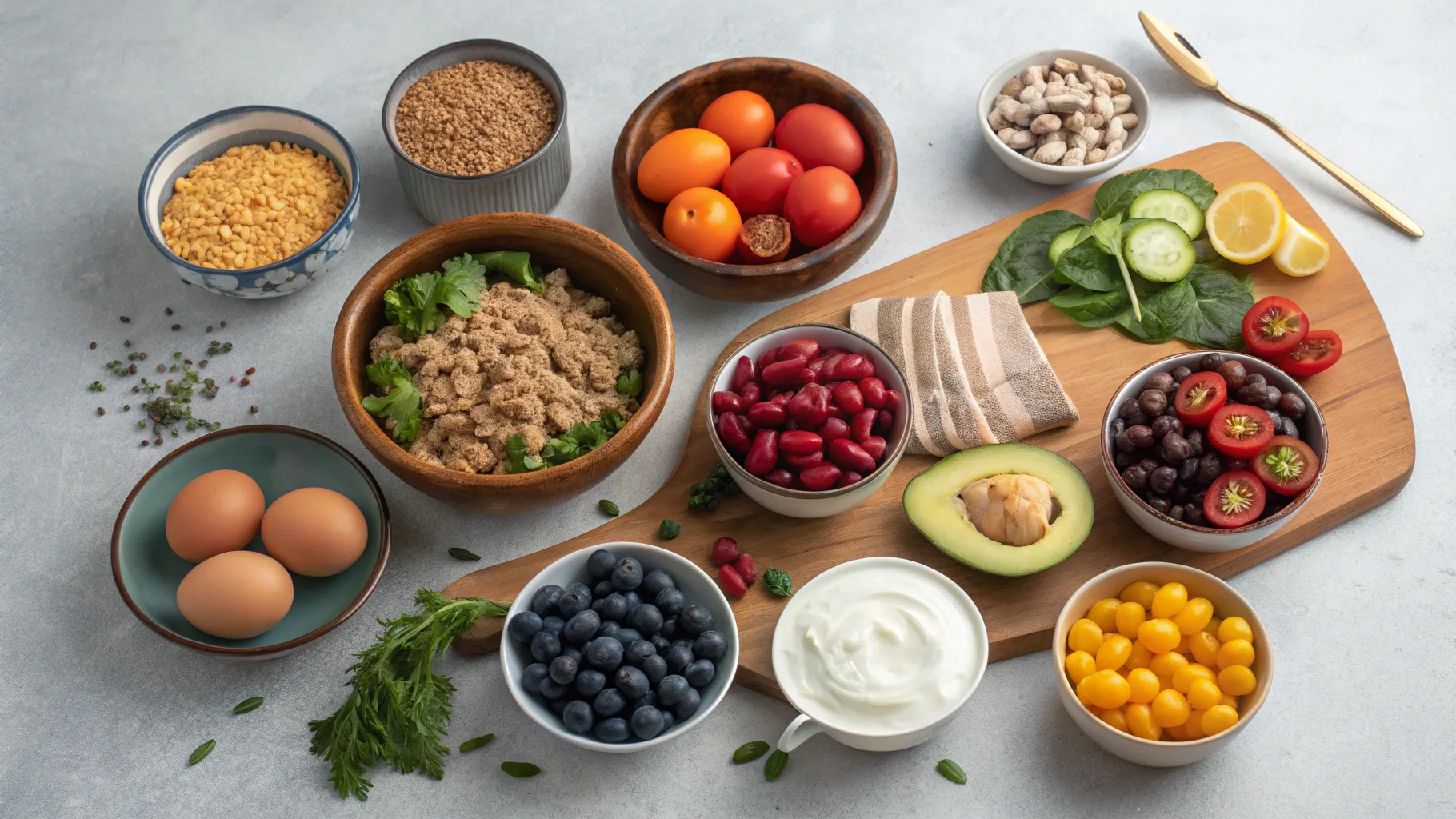
10 Low Cost Meal Components for Older Adults
As we age, our nutritional needs change, and maintaining a healthy diet becomes vital for our overall well-being and quality of life. For older adults, eating right doesn't need to break the bank. Here, we explore 10 low-cost meal components that are both affordable and nourishing, demonstrating that healthy eating is accessible for every budget.
Affordable Foods Older Adults Can Easily Incorporate
When planning meals, it's essential to think about both nutrition and cost. Here are some suggestions that fit seamlessly into any budget-friendly meal planning while providing the essential nutrients seniors need.
- Whole Grains: Whole grain foods like brown rice, barley, and oats are incredibly nutritious. They provide fiber, which is important for digestive health. Purchasing these grains in bulk can further cut costs. Just one cup of cooked brown rice provides around 215 calories and is rich in B vitamins.
- Canned Beans: Versatile and packed with protein, canned beans such as black beans, chickpeas, and kidney beans are cost-effective. They can be added to salads, soups, or served as a side dish. A single can of beans can cost between 80 to 120 cents and provide up to 15 grams of protein per serving.
- Frozen Vegetables: Frozen vegetables are just as nutritious as fresh ones and usually more affordable. They are picked at peak ripeness and flash-frozen to preserve nutrients. Plus, no prep time means less work. Common options like peas, broccoli, and mixed vegetables are often available for under $2 per bag.
- Seasonal Fruits: Buying fruits that are in season leads to significant savings. For instance, if peaches are in season, a pound typically costs much less than off-season varieties. Fruits like bananas, apples, and oranges are not only affordable but also packed with essential vitamins. A banana can cost around $0.25 and has about 100 calories and vital potassium.
- Eggs: Eggs are a powerhouse of nutrition and a very affordable source of protein—averaging about $2 per dozen. They can be prepared in various ways, making them a versatile meal component. A single egg boasts around 6 grams of protein and includes essential fatty acids and vitamins.
- Potatoes: Potatoes, particularly sweet potatoes, are nutritious and filling. They are excellent sources of fiber, vitamin C, and potassium. Prices generally hover around $0.50 per pound, making them ideal for a hearty, low-cost meal.
- Canned Tuna: Rich in omega-3 fatty acids, canned tuna is an affordable and convenient protein source. A can of tuna typically costs less than $2 and can easily be turned into salads or sandwiches. It's an excellent way for seniors to get protein without spending a lot.
- Greek Yogurt: In addition to being rich in protein, Greek yogurt contains probiotics that are good for gut health. While it can be pricier than regular yogurt, bulk buying or store brands can significantly reduce costs. A standard serving provides about 15 to 20 grams of protein and calcium, essential for bone health.
- Bread: Whole grain bread, when bought on sale or in bulk, can be very cost-effective. It offers a convenient base for sandwiches or toast and contains necessary fiber and nutrients. A loaf is usually priced around $2.50 to $4.00, depending on the brand.
- Olive Oil: Although it may seem an expensive addition, a bottle of olive oil can last longer than you might think. It's often cheaper when purchased in larger sizes. A couple of tablespoons can elevate the taste of many dishes and bring healthy fats into the diet, which is essential for heart health.
Combining these low-cost meal components provides a wealth of options for balanced and fulfilling meals:
- A hearty breakfast could include oatmeal topped with a banana and a dollop of Greek yogurt for protein.
- A vibrant lunch might be a salad made with canned beans, seasonal veggies, and topped with olive oil.
- For dinner, consider baked sweet potatoes stuffed with canned tuna, alongside steamed broccoli.
Strategies for Cost-Effective Meal Planning
Embracing a few strategies can help maximize your food dollars while ensuring a balanced diet. Here are some helpful tips:
- Plan Meals: Planning your meals for the week around sales and seasonal produce can drastically reduce costs.
- Buy in Bulk: Purchase non-perishables like grains and legumes in bulk to save money. These staples have a long shelf life.
- Cook in Batches: Preparing larger portions of meals allows you to enjoy leftovers and minimizes cooking time.
- Use Leftovers Creatively: Transform leftover chicken into a salad or soup the next day. This helps reduce food waste.
- Grow Your Own: If space allows, consider small container gardening. Herbs and some vegetables can easily thrive in limited spaces.
Understanding Senior Nutrition Basics
Nutrition plays a crucial role in the health of seniors, influencing their energy levels, immunity, and overall health. It is important to focus on:
- Hydration: Keep hydrated, as seniors often feel less thirsty. Aim for water, herbal teas, or broths.
- Protein Intake: Ensure adequate protein intake; studies recommend maintaining muscle mass through sufficient protein consumption.
- Fiber-Rich Foods: Prioritize fruits and vegetables to support heart health and digestion.
By incorporating these affordable foods and meal planning strategies, older adults can ensure they are meeting their nutritional needs without exceeding their budgets. Eating well is not only achievable but can also enhance the quality of life, promoting health and longevity. Remember, meal affordability doesn't have to equate to sacrificing health. With some simple planning, anyone can enjoy delicious, nutritious meals that maintain their well-being through every stage of life.