A Simple Guide to Computer Basics for Seniors
Facts:
- Over 60% of adults aged 65+ use the internet daily.
- A growing trend in computer learning older adults involves online safety courses.
Getting Started: Your First Steps into the Digital World
Welcome to your journey into the digital age! It's never too late to learn, and mastering computer basics for seniors is an empowering skill that opens up a new world of connection, information, and entertainment. This guide is designed specifically for beginners, breaking down complex topics into easy-to-understand steps. Whether you want to see your grandchildren on a video call, manage your finances online, or simply explore a new hobby, understanding the fundamentals is the key. We will cover everything from turning on the computer to navigating the internet safely, providing a solid foundation for your computer learning older adults experience.
Understanding Your Computer's Hardware
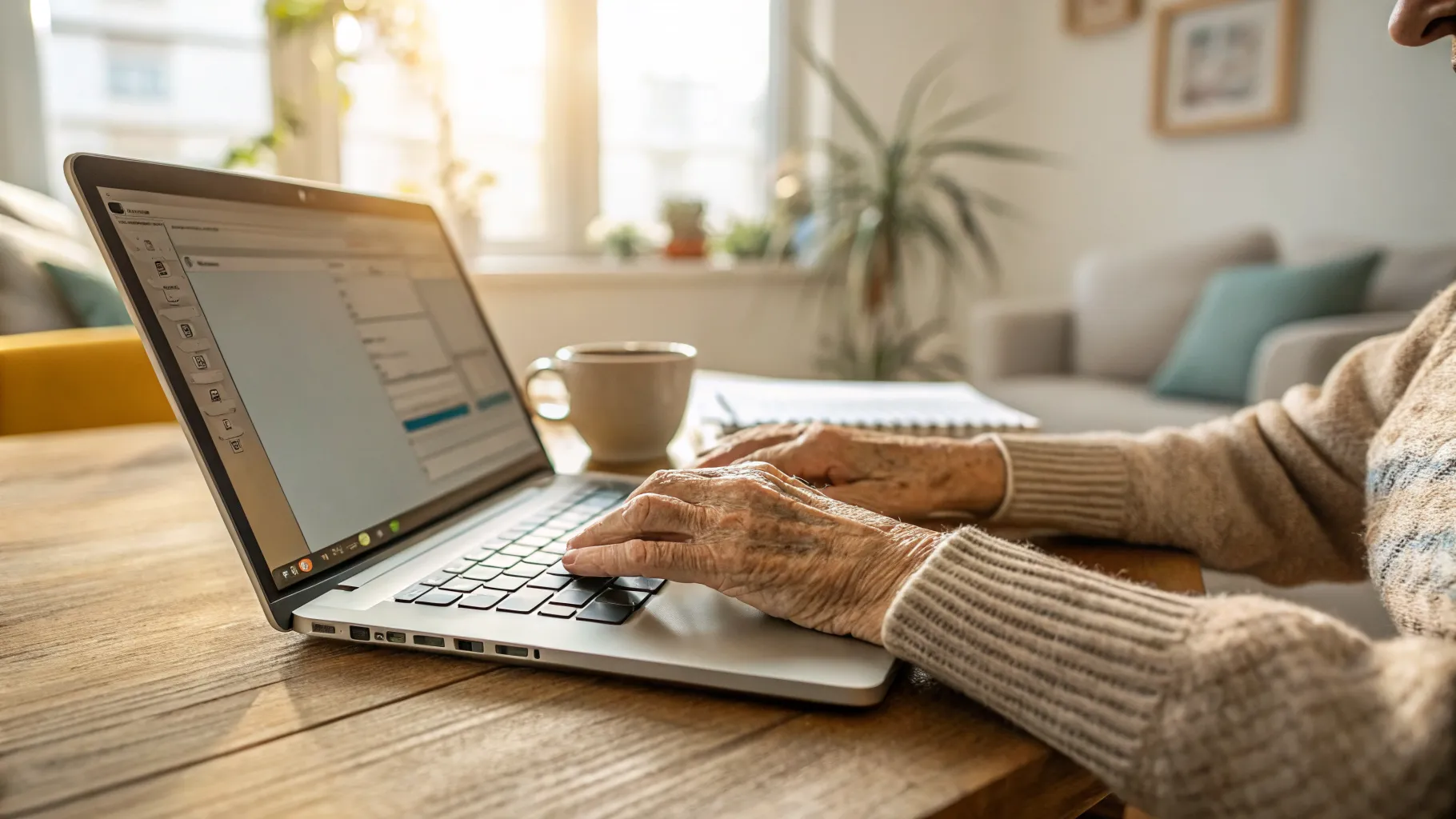
Before diving into the software, let's get familiar with the physical parts of your computer. The main box or body of your laptop is the computer itself, housing the processor (the brain), memory (short-term storage), and hard drive (long-term storage). The monitor is your screen, the keyboard is for typing, and the mouse (or trackpad on a laptop) is how you'll interact with what's on the screen. You'll also see various ports for plugging in devices like a printer or charging cable. Taking a moment to identify each part will build your confidence. This initial knowledge is a core part of any intro computer seniors course and helps demystify the machine in front of you.
Navigating the Desktop and Files
When you turn on your computer, the first screen you see is the Desktop. Think of it as your digital workspace. It contains icons, which are small pictures that act as shortcuts to programs or files. The bar at the bottom of the screen is the Taskbar, which shows you which programs are currently running. The 'Start' button, usually in the bottom-left corner, opens a menu with all your applications. One of the most crucial basic computer skills seniors need to learn is file management. Your computer uses folders to organize documents, photos, and other files, just like a physical filing cabinet. Learning to create, name, and organize folders will save you a lot of time and prevent the frustration of losing a file.
Connecting to the Internet Safely
The internet is a vast resource, but it's important to navigate it safely. To get online, you'll need a Wi-Fi connection. You can connect by clicking the network icon (it often looks like a series of curved lines) on your taskbar and selecting your home network. You'll be prompted for a password. Once connected, you'll use a web browser like Chrome, Firefox, or Edge to visit websites. An essential aspect of computer basics for seniors is online safety. Be cautious about emails from unknown senders and never click on suspicious links. Reputable computer classes seniors often dedicate an entire session to identifying scams, creating strong passwords, and understanding privacy settings. Here are some key tips:
- Use Strong Passwords: Combine upper and lower-case letters, numbers, and symbols. Avoid using personal information like birthdays or names.
- Beware of Phishing: Phishing scams are fraudulent emails or messages designed to trick you into revealing personal information. Banks and government agencies will never ask for your password via email.
- Keep Software Updated: Regular updates for your operating system and web browser include important security patches that protect you from threats.
- Use Antivirus Software: Install and maintain reputable antivirus software to protect your computer from malware.
Essential Software and Applications
Your computer comes with pre-installed software, but you can add many more applications (or 'apps') to suit your needs. A word processor, like Microsoft Word or Google Docs, is perfect for writing letters or notes. A web browser is your gateway to the internet. For staying in touch, email clients and video calling apps like Zoom or Skype are indispensable. Many find that dedicated computer classes seniors are excellent for getting hands-on experience with this essential software, providing a structured environment for learning. Exploring these tools is a fundamental part of mastering basic computer skills seniors and making the computer work for you.
Staying in Touch: Email and Video Calls
One of the greatest benefits of computer learning older adults is the ability to easily connect with family and friends. Setting up an email account is a simple process on platforms like Gmail or Outlook. It allows you to send and receive messages, photos, and documents instantly. Video calling has become even more popular, allowing for face-to-face conversations with loved ones anywhere in the world. Programs like Skype, Zoom, and FaceTime are user-friendly and can be installed on most computers. An intro computer seniors program will typically walk you through setting up an account, adding contacts, and making your first call, turning a potentially intimidating process into an exciting one.
Frequently Asked Questions
What are the most important computer basics for seniors to learn first?
The most crucial skills to start with are turning the computer on and off correctly, using the mouse and keyboard, opening and closing programs, and connecting to the internet. Mastering these fundamentals provides the foundation for all other basic computer skills seniors will learn, such as sending emails or browsing websites.
Are there computer classes seniors can take specifically for them?
Absolutely. Many community centers, libraries, and senior centers offer computer classes seniors can join. These classes are tailored to the learning pace of older adults and cover relevant topics. Searching online for 'intro computer seniors near me' is a great way to find local resources designed to help with your digital literacy journey.
How can I practice my computer skills safely?
A great way to practice is by visiting well-known, reputable websites like news outlets (BBC, a local newspaper), museum websites, or sites dedicated to your hobbies. Avoid clicking on pop-up ads and be wary of offers that seem too good to be true. Consistent practice in a safe environment is key to successful computer learning older adults.
References
- National Institute on Aging - Computers and Internet for Seniors
- AARP Technology Education Resources
- Digital Literacy for Older Adults: A Guide
- Pew Research Center: Tech Adoption Climbs Among Older Adults